


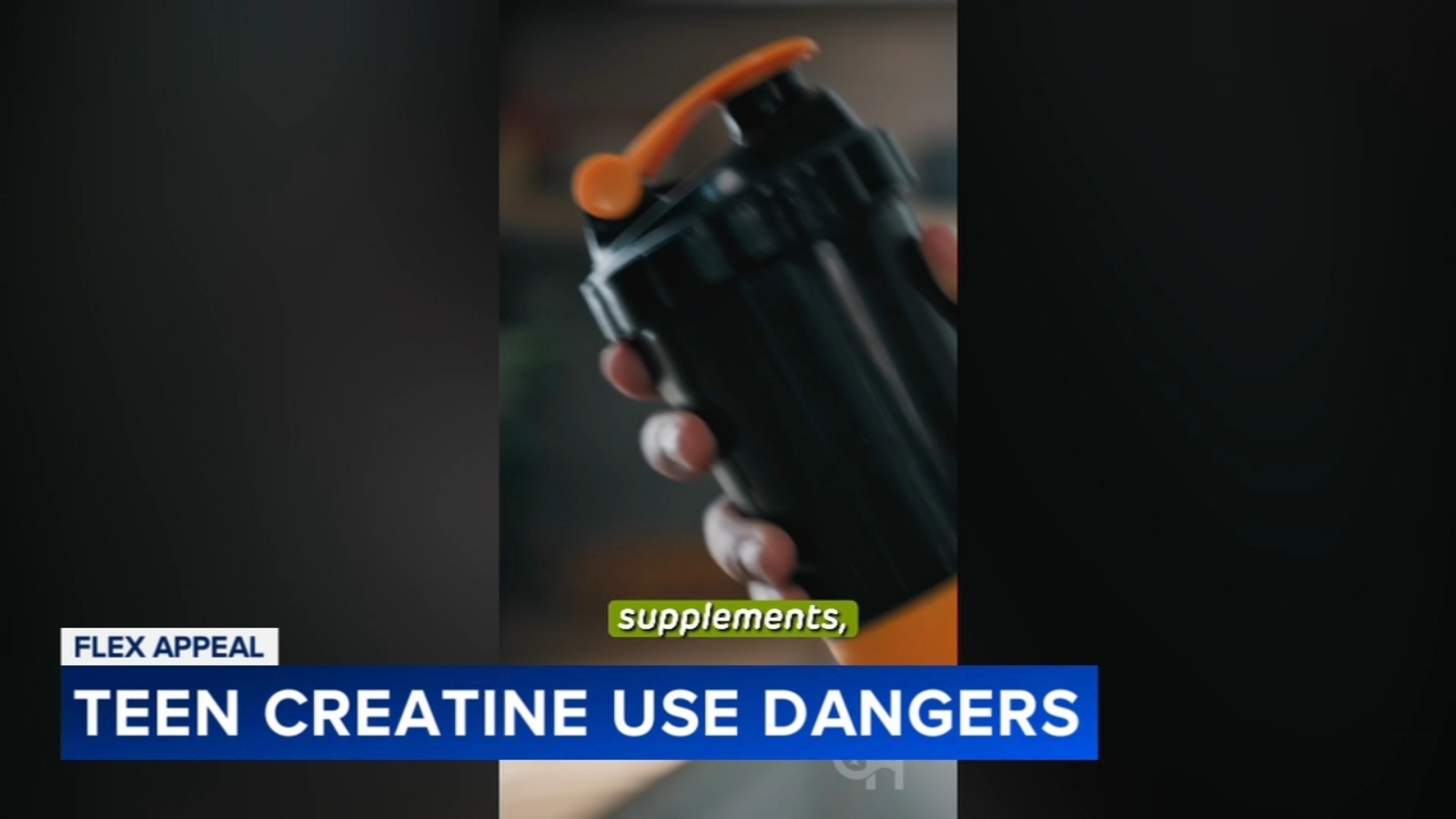
Children’s Hospital of Philadelphia (CHOP) has launched a targeted public health initiative to combat the rising tide of misinformation surrounding creatine use among teenagers. As social media trends like “looksmaxxing”—a phenomenon centered on maximizing one’s physical appearance—gain momentum, many adolescents are turning to performance-enhancing supplements in search of quick bodily transformations. In response, CHOP physicians are leveraging their new online resource, “Pediatric Health Chat,” to warn families that these supplements are not a shortcut to fitness and that their long-term effects on still-developing bodies remain largely unstudied.
The core of the hospital’s message is a fundamental correction to the viral narratives often pushed by fitness influencers. In a recent informational video, CHOP experts clarify that creatine does not possess the inherent ability to build muscle mass on its own. Instead, they emphasize that any perceived benefits attributed to the substance are entirely dependent on rigorous lifestyle foundations. Without a structured, progressive strength-training regimen and a commitment to restorative sleep, supplemental intake is essentially ineffective, rendering the product useless for those who lack the necessary baseline habits.
Seventeen-year-old Vedant Srinivasan, who partnered with CHOP for the project, highlighted the disillusionment that many teenagers face when navigating online fitness advice. According to Srinivasan, influencers frequently frame creatine as a “supercharge” for muscle growth, painting an overly simplistic picture that ignores the complexity of biological development. By providing a platform for evidence-based discussion, CHOP aims to empower youth to look past high-energy marketing campaigns and understand that biological growth is a sustainable, long-term process rather than an instant result bought in a bottle.
Medical professionals at the hospital are particularly concerned about the lack of clinical data regarding the pediatric use of such supplements. Dr. Joanna Parga Belinkie, an attending neonatologist at CHOP, noted that the current obsession with online appearance metrics creates a dangerous incentive for children to seek shortcuts. Because scientific research has not yet established the safety or long-term impacts of creatine on adolescent physiology, pediatricians are sounding the alarm against the widespread, unsupervised consumption of these products during a child’s most critical formative years.
Despite the marketing pressures exerted by social media algorithms, the consensus among pediatric experts remains firm: the foundational pillars of health are non-negotiable. Consistent, age-appropriate exercise, a balanced diet rich in natural protein, and adequate rest continue to be the only scientifically proven methods for safely improving strength and physical performance in teenagers. Reliance on external supplements serves to distract from these essential behaviors, potentially leading to unrealistic expectations and unnecessary health risks for young people who are susceptible to viral trends.
Ultimately, CHOP is urging a shift in how families approach supplement use, advocating for open communication between children and their healthcare providers. Before incorporating any concentrated supplement into a teenager’s wellness routine, parents are strongly encouraged to consult with a pediatrician to assess individual needs and risks. By promoting medical consultation over digital trends, CHOP hopes to protect the well-being of the next generation, ensuring that aesthetic goals do not come at the expense of long-term health and development.