


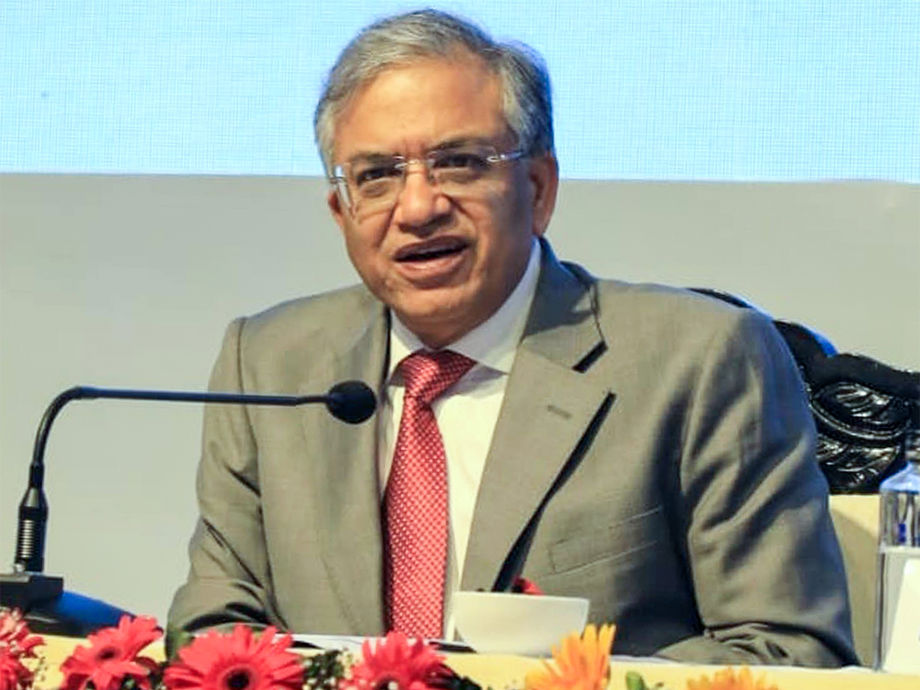
The Election Commission of India (ECI) recently convened its second high-level, one-day conference dedicated to media and communication officers, marking a pivotal moment in the constitutional body’s strategy to combat the escalating threat of digital misinformation. With the media landscape becoming increasingly volatile, the ECI has prioritized the role of its communication personnel as the frontline defenders of electoral integrity. By bringing together over 260 officials from 16 states and union territories, the Commission sought to professionalize its outreach and ensure that accurate, state-sanctioned information reaches the public efficiently during the electoral cycle.
At the heart of the proceedings was a stirring address by Chief Election Commissioner (CEC) Gyanesh Kumar, who emphasized the necessity of proactive vigilance in the digital age. He cautioned that false narratives circulating on social media platforms pose a significant challenge to the sanctity of the democratic process. CEC Kumar championed an “always-on” approach to communication, urging officers to detect and dismantle misinformation before it can polarize the electorate or undermine public confidence in the Commission’s operations.
Furthermore, CEC Kumar used the platform to reinforce the ECI’s commitment to transparency and legal adherence. He underscored that every directive, press release, and administrative move made by the Commission is deeply anchored in the Constitution of India, prevailing electoral laws, and established written guidelines. Linking these efforts to the ground reality of governance, he noted that the record-breaking voter turnouts seen in recent election cycles serve as a powerful testament to the common citizen’s enduring trust in India’s electoral machinery.
Adding technical depth to the conference, Election Commissioner Vivek Joshi took charge of addressing the modern technological hurdles that are currently testing democratic institutions worldwide. He specifically highlighted the emergent dangers of Artificial Intelligence (AI) and synthetic media, such as deepfakes, which are now being weaponized to manipulate voter perception. Commissioner Joshi urged the media officers to strictly utilize the existing robust framework of rules and guidelines to neutralize these threats, ensuring that public discourse remains grounded in reality rather than fabricated digital content.
The conference functioned as a comprehensive training hub, designed to standardize communication efforts from the opening phase of electoral preparations through to the final polling day. The curriculum was extensive, featuring practical workshops on the precise planning of press notes, rapid-response mechanisms for fact-checking, and the widespread promotion of ECI awareness initiatives. By focusing on hands-on skill development, the Commission aimed to ensure that its Nodal Officers are not just administrators, but adept communications strategists capable of navigating the high-pressure environment of election season.
Ultimately, the event served as a critical platform for inter-state collaboration, fostering a spirit of unity among the 260 participating delegates. By facilitating the exchange of experiences and best practices between Media Nodal Officers, the ECI is building a cohesive network of communication experts. This collaborative approach ensures that whether the challenges manifest as local spread of rumors or coordinated global misinformation campaigns, the ECI’s response remains unified, decisive, and firmly committed to upholding the integrity of the world’s largest democratic exercise.