






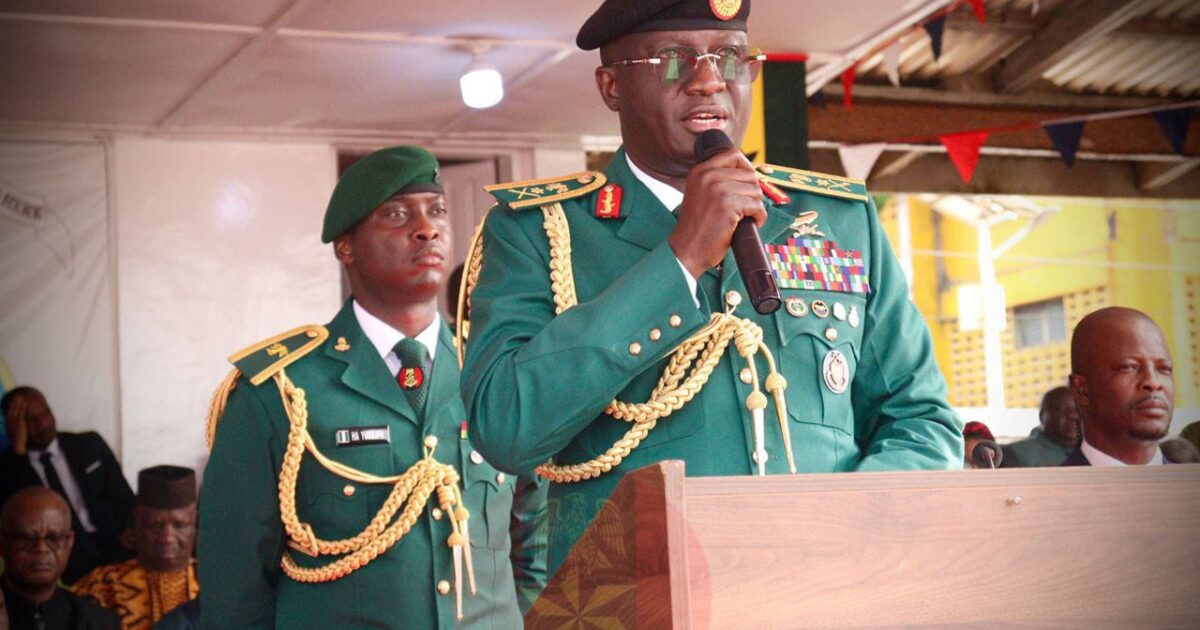
The Chief of Army Staff (COAS), Lieutenant General Waidi Shaibu, has issued a definitive call for a symbiotic relationship between the Nigerian military and the media, characterizing public support as an indispensable strategic requirement for operational success. Speaking at the opening of the Directorate of Army Public Relations Combined First and Second Quarters Media Workshop 2026 in Abuja, the COAS emphasized that the military can no longer operate in a vacuum. Represented by the Chief of Civil Military Affairs, Major General Musa Etsu-Ndagi, General Shaibu noted that the era of viewing civil-military relations as secondary is over, as public backing is now a critical component of national security strategy.
The core of General Shaibu’s message centered on the transformative power of accurate communication in modern warfare. By fostering a well-informed citizenry, the military aims to cultivate an environment where security efforts are understood, supported, and amplified by the public. He argued that when citizens are provided with timely, factual, and authentic narratives, it serves to reinforce their confidence in national institutions. This, in turn, boosts the morale of troops on the front lines and strengthens the overall resilience of the nation against a backdrop of persistent internal security challenges.
However, this strategic reliance on information comes with a stark warning regarding the dangers of the digital age. General Shaibu identified the information space as a volatile, modern-day frontline where adversaries operate with increasing sophistication. He cautioned that disinformation is currently being weaponized by enemies of the state to undermine, distract, and destabilize security operations. If left unchecked, the COAS argued, these manufactured falsehoods possess a destructive potential that rivals, or even surpasses, physical security threats, necessitating a proactive and defensive stance in the digital information theater.
Addressing the assembled media professionals, the Army Chief advocated for a paradigm shift that goes beyond traditional journalistic neutrality. He urged reporters to align their coverage with national security objectives, emphasizing that no institution—military or media—can successfully tackle contemporary security threats in isolation. General Shaibu specifically called upon journalists to humanize the military experience by highlighting the gallantry, professional rigor, and immense sacrifices made by soldiers who operate under harrowing conditions to defend the sovereignty and territorial integrity of Nigeria.
Reinforcing these sentiments, the Director of Army Public Relations, Colonel O.A. Anele, highlighted that the battle for public perception is now as vital as the engagement on the physical battlefield. She pointed to the rapid proliferation of social media and the emergence of Artificial Intelligence-generated content as catalysts for widespread information disorders. Colonel Anele underscored that the credibility of military narratives is paramount in an era where misinformation spreads with unprecedented speed, potentially jeopardizing the lives of service members and the outcomes of delicate security operations.
As Nigeria continues to contend with the multifaceted threats of insurgency, banditry, and sectarian violence, the military’s renewed focus on media integration arrives at a critical juncture. The collaborative framework proposed by the Army leadership aims to turn the media into a “force multiplier,” working in tandem with the armed forces to promote national cohesion. Ultimately, the success of this initiative will depend on the ability of both the military and the press to navigate the complexities of the digital information environment, ensuring that truth and national stability—rather than chaos and disinformation—prevail in the public consciousness.


