








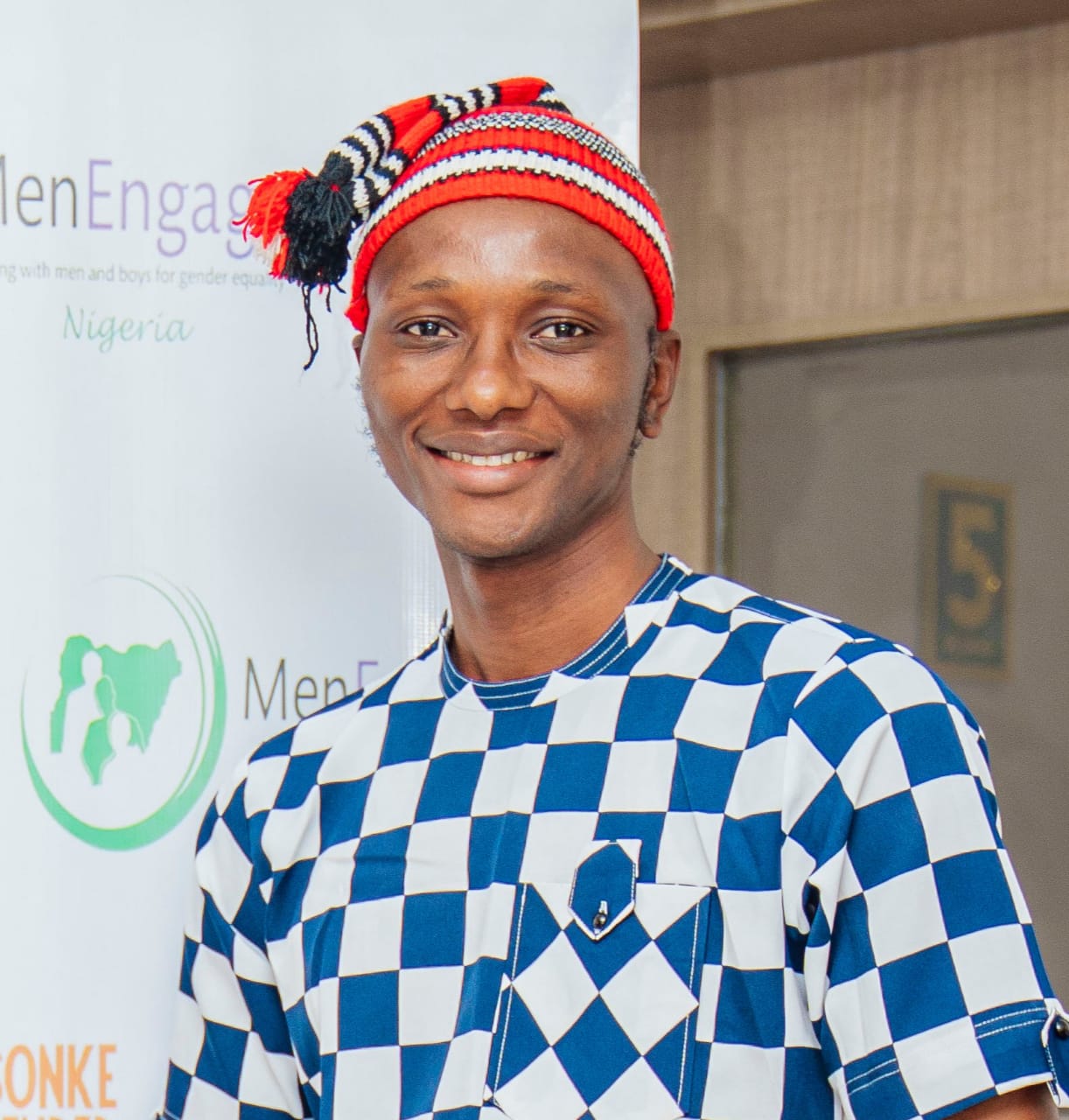
The recent “Olodo Uprising” that swept through Nigeria’s digital landscape served as more than just a source of viral memes; it acted as a stark reflection of the nation’s ongoing struggle with the quality of discourse, education, and the influence of misinformation. For climate educator Chukwuebuka Ibezim, this national debate echoed his experiences teaching climate science at the Government Day Secondary School in Enugu as part of the state’s “Growing Green Generation” project. During his tenure, he discovered that he was not merely transmitting information but entering a crowded arena where digital influencers, popular culture, and deep-seated myths held far more sway over students than empirical evidence. The intersection of these two realities highlights a critical national tension: the struggle to anchor public understanding in truth when louder, more persuasive voices continuously propagate falsehoods.
The urgent necessity for evidence-based narratives stems from the realization that in the absence of credible expertise, misinformation inevitably fills the vacuum. As underscored by United Nations warnings, the rapid spread of disinformation has become a defining risk of the 21st century, capable of undermining collective action even more effectively than the crises it masks. The pandemic era proved this decisively, as dangerous myths regarding medical treatments led to mass confusion and avoidable loss of life. Climate change, Ibezim argues, is currently under a similar siege, where subtle misinformation—such as the dismissal of renewable energy or the framing of environmental responsibility as a Western conspiracy—threatens to derail essential policy shifts and stifle the economic potential of Africa’s green future.
Reliance on trustworthy interpreters is the second pillar of this challenge because most citizens cannot independently verify the complex scientific data behind environmental shifts. When the purveyors of loud, uninformed skepticism drown out the voices of qualified experts, the public is left without a compass, making them highly susceptible to cyclical climate myths. This guidance gap has direct, real-world consequences; it influences how communities perceive infrastructure projects, how farmers adapt their agricultural practices to changing weather patterns, and whether families heed early warnings for disaster preparedness. Without a trusted pipeline from the scientific community to the general public, the gulf between reality and perception continues to widen.
Furthermore, the long-term implications for the next generation of leadership are profound and potentially disastrous. Students currently being raised in an environment that rewards ignorance or dismisses environmental stewardship through mockery risk becoming a generation excluded from the emerging global green economy. If the pedagogical efforts of climate education are constantly undermined by social media skepticism, we risk creating a cyclical intellectual crisis—an “Olodo Uprising” of the future, where decisions are made without the requisite literacy to navigate a warming world. Investing in the integrity of information is, therefore, not just an academic exercise but a strategic investment in the future of national governance and economic survival.
To bridge this divide, society must move beyond the narrow focus on mere facts. While Charles Dickens famously cautioned against a cold, fact-obsessed education system, contemporary society now faces the opposite extreme: an era where facts are not only contested but are actively being overwhelmed by emotionally charged rhetoric. Ibezim posits that the solution lies in the intentional elevation of credible, integrity-driven messengers—teachers, journalists, and scientists who can translate raw data into relatable, life-saving narratives. Cultivating this trust is the only way to ensure that scientific literacy regains its rightful place at the center of public discourse, moving it away from the influence of those who profit from distortion.
Ultimately, the lesson learned from the recent national debates and the classroom experience is that the quality of a society is inextricably linked to the voices it chooses to amplify. We cannot afford to remain passive observers as rhetoric displaces expertise. By consistently empowering those who communicate evidence with clarity and honesty, we can begin to secure a foundation for informed decision-making. As the nation grapples with its collective future, it must recognize that the most significant task is not simply teaching facts, but building the social capacity to trust those facts. Our response to the ongoing climate crisis will depend entirely on whose voices we choose to listen to and whose counsel we choose to elevate.


