


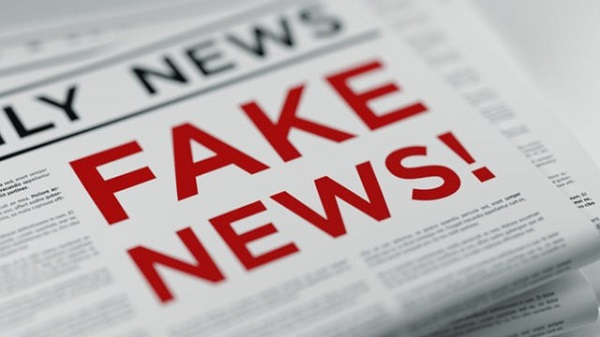
The Digital Crisis: Tackling the Scourge of Fake News in Nigeria’s Media Landscape
In an era where information traverses the nation in mere seconds, Nigeria is grappling with a profound threat to its social stability: the rapid proliferation of fake news and hate speech. This influx of misinformation—spanning political contests, national security, and public health—has systematically eroded public confidence and deepened societal divisions. Experts warn that the race for online engagement has transformed digital platforms into breeding grounds for falsehoods, creating an urgent need for collective intervention to preserve the integrity of Nigeria’s information ecosystem.
Respected media veterans, including former NAN Editor-in-Chief Ephraims Sheyin and BBC Hausa’s Usman Minjibir, emphasize that the primary casualty of digital misinformation is public trust. They caution that even mainstream media organizations occasionally succumb to the pressure of the news cycle, often compromising rigorous editorial standards for speed. To counteract this, they advocate for the institutionalization of dedicated fact-checking desks, more stringent editorial oversight, and the adoption of modern digital verification tools. By prioritizing verification over sensationalism, media houses can begin the arduous process of rebuilding their professional credibility in an increasingly skeptical public sphere.
The challenge is exacerbated by the architecture of social media, where the desire for engagement often supersedes accuracy. IT expert Imran Zubair highlights that many users, driven by the hunt for likes and followers, inadvertently become conduits for disinformation. He stresses that as artificial intelligence continues to reshape information flow, the average Nigerian must adopt higher levels of digital literacy. Without the technical capacity to interrogate the origins and intent of content, social media users remain vulnerable to sophisticated propaganda techniques that can incite violence or trigger civil unrest long before the truth can be established.
Nigeria’s youth demographic, as the most active digital consumers, holds a unique, strategic position in this conflict. Comrade Naseer Ibrahim Isah, a former student leader, argues that the solution lies in fostering a culture of critical thinking within educational institutions. He advocates for the integration of media literacy into school curricula, urging young people to move beyond passive consumption to become thoughtful digital citizens. By leveraging their influence to promote unity rather than division, Nigeria’s youth can transform social media from a tool of discord into a vehicle for national development and constructive discourse.
From a legal standpoint, while Nigeria lacks a single, standalone statute exclusively titled “The Fake News Act,” legal expert Barrister Muhuyi Magaji Rimingado points out that the existing regulatory framework is robust enough to address these threats. The Cybercrime (Prohibition, Prevention, etc.) Act of 2015, as amended in 2024, provides a significant legal deterrent, criminalizing the transmission of offensive or false digital messages intended to cause injury, intimidation, or public anxiety. While these laws provide a necessary backstop, experts argue that legal punishment alone is an insufficient cure for a social ailment that is fundamentally rooted in behavioral choices.
Ultimately, the consensus among stakeholders is that safeguarding democracy requires a holistic, “all-hands-on-deck” approach. The fight against misinformation demands a synergy between policymakers, technology firms, journalists, and the citizenry. By championing ethical reporting standards, enhancing transparency, and cultivating a national culture of verification, Nigerians can mitigate the impact of digital falsehoods. Protecting the integrity of information is not merely a journalistic duty but a collective responsibility essential for ensuring peaceful coexistence and the long-term stability of the nation.