


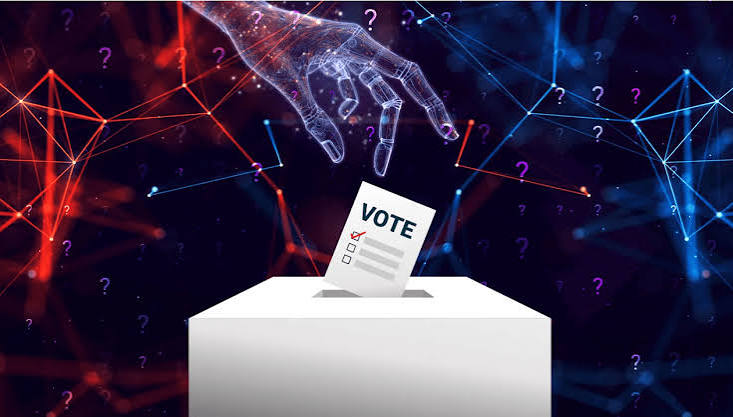
As Nigeria approaches the 2027 general elections, the intersection of artificial intelligence and political discourse has emerged as a significant national concern. According to a recent report by SBM Intelligence titled ‘The Algorithm and the Ballot Box,’ approximately 66.5 percent of Nigerians have expressed alarm over the rise of AI-generated misinformation. With over 148 million internet users in the country, social media has become the primary source of political information for more than half of the electorate, with platforms like WhatsApp acting as the principal conduit for both news and manipulated content.
This pervasive fear, coupled with the increasing accessibility of affordable AI tools capable of generating convincing content in local languages, has ironically birthed a new, lucrative commercial landscape. While the threat to democratic integrity is high, the report highlights that the current lack of robust detection mechanisms on major digital platforms creates a substantial gap for private-sector innovation. As political actors and bad actors alike leverage sophisticated deepfakes and automated propaganda, the demand for specialized security and verification services is reaching a fever pitch.
The report identifies a wide array of emerging business opportunities for technology companies, cybersecurity firms, and strategic consultants. Key areas for investment include the development of AI-powered deepfake detection software, real-time election monitoring platforms, and media verification services. Because major international detection tools currently lack integration within the Nigerian context, domestic startups have a unique opening to build localized solutions that address the country’s specific digital ecosystem and infrastructure.
A critical gap highlighted by SBM Intelligence is the “language barrier” in currently available moderation tools. While AI can now seamlessly produce misinformation in Hausa, Igbo, Yoruba, and Pidgin, existing fact-checking and automated moderation systems remain overwhelmingly focused on English. This technological disparity invites local developers to innovate by creating language-specific detection models and content moderation systems, directly meeting the needs of an information landscape that is largely multilingual and localized.
To mitigate these risks, the report urges a collaborative push between the government, civil society, and the private sector to establish a permanent, AI-enabled election monitoring system. Implementing these recommendations—which include nationwide media literacy campaigns and stronger regulatory frameworks—will require external expertise, thereby fueling a new market for regulatory technology (RegTech) and compliance software. These sectors are anticipated to grow as companies seek to align with emerging standards for election-related digital content.
With the 2027 election cycle looming just months away, the window for securing Nigeria’s digital information integrity is rapidly closing. SBM Intelligence notes that rather than viewing AI strictly as an existential threat to democracy, stakeholders should recognize the untapped market potential for innovators focused on digital trust, election security, and public information integrity. For technology providers, these pressing challenges represent not just a mandate for safer democracy, but a significant and time-sensitive business opportunity in Africa’s largest digital economy.