


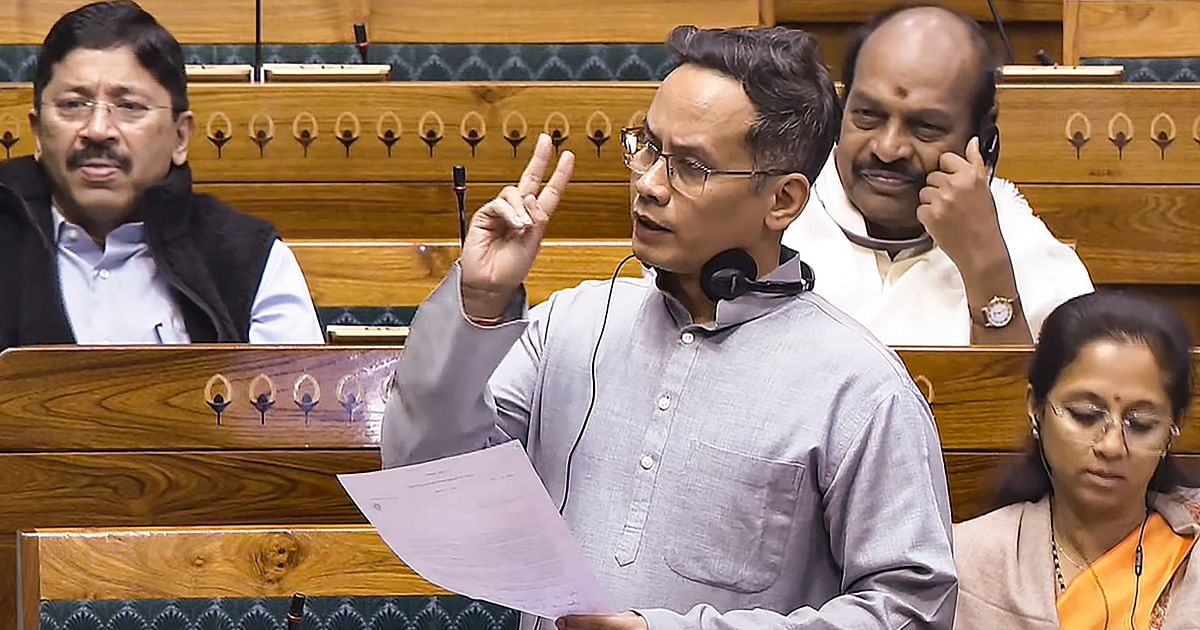
Parliamentary Debate Sparks National Conversation on Toxic Masculinity and Its Impact on Youth
NEW DELHI – A heated debate erupted in the Lok Sabha on Thursday, ignited by Member of Parliament Gaurav Gogoi’s impassioned address on the pervasive issue of toxic masculinity and its detrimental effects on young boys and men in India. Gogoi’s intervention, which cited the popular Netflix series "Adolescence" as a stark illustration of the problem, brought the often-overlooked topic into sharp focus, prompting a wider national conversation about societal expectations, gender roles, and the influence of online platforms. The discussion comes at a crucial time as India grapples with evolving social norms and the challenges faced by young people navigating an increasingly complex digital world.
Gogoi’s argument centered on the harmful consequences of traditional notions of masculinity, often characterized by aggression, emotional repression, and a reluctance to seek help. He argued that these deeply ingrained attitudes contribute to various societal ills, including violence against women, mental health issues among men, and the perpetuation of gender inequality. Referencing "Adolescence," a series exploring the pressures and vulnerabilities of teenage boys, Gogoi illustrated how the pursuit of an idealized, often unrealistic, image of masculinity can lead to destructive behaviors and a distorted sense of self-worth. He emphasized the need to dismantle these harmful stereotypes and promote healthier, more inclusive definitions of masculinity.
Further fueling the debate was Gogoi’s critique of the role played by certain online influencers in promoting toxic masculinity. He argued that these influencers, often with large and impressionable followings, frequently perpetuate harmful stereotypes and normalize aggressive behavior, exacerbating the pressures faced by young boys and men. This concern resonated with many parliamentarians, who acknowledged the growing influence of social media and the need to address its potential downsides. The discussion also highlighted the broader issue of media literacy and the importance of equipping young people with the critical thinking skills necessary to navigate the complex digital landscape.
The opposition’s arguments were met with varied responses. Some members acknowledged the validity of the concerns raised and stressed the need for open dialogue and educational initiatives to address the issue. They recognized the importance of challenging traditional gender roles and promoting more balanced and equitable relationships. However, other representatives pushed back, arguing that the concept of toxic masculinity was a Western import and not relevant to the Indian context. They suggested that focusing on such issues distracted from more pressing societal concerns. This divergence in opinion underscores the complex and nuanced nature of the debate surrounding masculinity in India.
The parliamentary discussion has sparked a wider national conversation about the pressures faced by young men and the need for more supportive and inclusive environments. Educators, parents, and mental health professionals have joined the discourse, emphasizing the importance of open communication, emotional literacy, and the creation of safe spaces where young boys and men can express themselves without fear of judgment. The debate has also fueled calls for greater media responsibility and the need to hold online influencers accountable for the content they promote. There is growing recognition that addressing toxic masculinity requires a multi-pronged approach involving education, policy interventions, and a broader societal shift in attitudes and expectations.
The ongoing debate has highlighted the evolving understanding of gender roles in India and the challenges faced by young people navigating a rapidly changing world. While the path forward remains complex, the parliamentary discussion has undoubtedly served as a catalyst for much-needed conversation and reflection. As the nation grapples with these critical issues, the focus now turns to developing concrete strategies for addressing toxic masculinity and fostering a more inclusive and equitable society for all. The long-term impact of this debate remains to be seen, but it has undoubtedly laid the groundwork for a more open and honest discussion about masculinity and its role in shaping the future of India.