


Close Menu
DISADISA
  • Home
  • News
  • Social Media
  • Disinformation
  • Fake Information
  • Social Media Impact
Trending Now

Social Media Addiction: Consequences, Risks, and Legal Remedies

August 26, 2026

ActionSA Lodges Formal Disinformation Complaint with IEC Against ANC’s Kgoši Maepa.

August 26, 2026

Health Experts Offer Evidence-Based Guidance for Navigating Online Nutrition Misinformation

August 26, 2026
Facebook X (Twitter) Instagram
Facebook X (Twitter) Instagram YouTube
DISADISA
Newsletter
  • Home
  • News
  • Social Media
  • Disinformation
  • Fake Information
  • Social Media Impact
DISADISA
Home»Disinformation»French Ambassador Condemns Systematic Disinformation Campaign, Expressing Displeasure with Moscow.
Disinformation

French Ambassador Condemns Systematic Disinformation Campaign, Expressing Displeasure with Moscow.

Press RoomBy Press RoomJune 5, 2025No Comments
Facebook Twitter Pinterest LinkedIn Tumblr Email

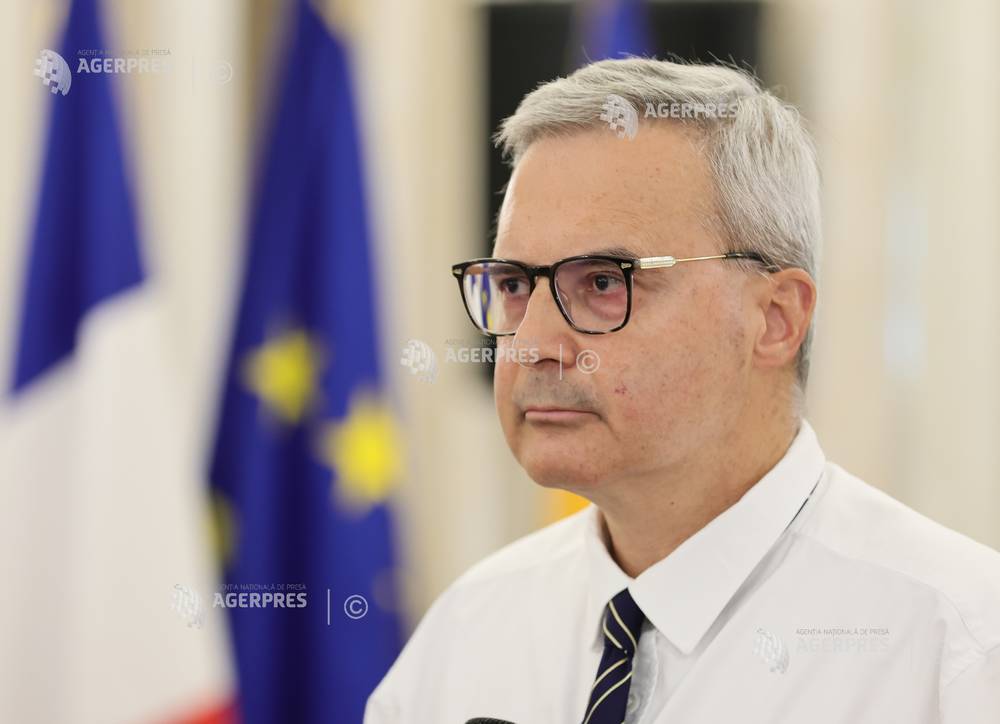
French Ambassador Decries Disinformation Campaign Targeting France During Romanian Presidential Elections

Bucharest, Romania – In a strongly worded press conference held on Thursday, French Ambassador to Romania, Nicolas Warnery, denounced what he termed a "systematic disinformation campaign" targeting France during the recent Romanian presidential elections. Ambassador Warnery asserted that the campaign, rife with "malicious interpretations, mistakes, and lies," was designed to undermine France’s reputation and influence within Romania. He pointedly attributed the campaign to Russia, alleging that Moscow was retaliating against France for its robust diplomatic support of Ukraine amidst the ongoing conflict and its vocal condemnation of alleged hybrid attacks during Romania’s previous presidential elections in November.

Ambassador Warnery detailed how several events were deliberately distorted within certain media outlets to paint a negative picture of France. He specifically cited his visit to the Romanian Constitutional Court, which he explained was solely for the purpose of preparing a congress of French-speaking Constitutional Courts and had no connection to the electoral process. Similarly, his travels within Romania, he insisted, were routine diplomatic activities, not clandestine interventions in the election. The Ambassador categorically refuted allegations circulating on social media platforms, dismissing them as fabricated narratives intended to sow discord and distrust. He vehemently denied the presence of the French secret service chief in Romania, any involvement in the electoral process, and the outlandish claim of a coup attempt at the Cincu military base, where French troops are stationed as part of NATO’s enhanced Forward Presence. He emphasized that the French military presence is solely for the defense of Romania, not for interfering in its internal affairs.

The Ambassador expressed his deep concern over the pervasiveness of disinformation and its potential to undermine democratic processes. He lamented the asymmetrical nature of the information war, where aggressors often hold an advantage due to their willingness to manipulate facts and spread falsehoods. He called upon the media to play a crucial role in combating disinformation by diligently verifying information and exposing manipulative narratives. He stressed the importance of media literacy and critical thinking in discerning truth from falsehood, urging citizens to be vigilant consumers of information.

Addressing the timing of his response, Ambassador Warnery explained that he had adhered to a "rule of silence" during the electoral period to avoid any appearance of influencing the outcome. However, following the conclusion of the elections, he felt compelled to address the disinformation campaign directly and set the record straight. He underlined the significance of transparency and open communication in countering disinformation and restoring public trust. He reiterated France’s commitment to its strong relationship with Romania and its unwavering support for Romanian democracy.

The allegations of a Russian-backed disinformation campaign come at a time of heightened tensions between Russia and the West, particularly in the context of the ongoing conflict in Ukraine. France has been among the most vocal critics of Russia’s actions, advocating for strong sanctions and providing substantial support to Ukraine. Romania, a NATO member bordering Ukraine, has also played a significant role in supporting Ukraine and hosting NATO troops. This context makes Romania particularly vulnerable to disinformation campaigns aimed at undermining Western unity and sowing discord within NATO allies.

The incident underscores the growing threat of disinformation in the digital age, where false narratives can spread rapidly and manipulate public opinion. It also highlights the importance of international cooperation in combating disinformation and promoting media literacy. As disinformation campaigns become increasingly sophisticated and pervasive, it is crucial for governments, media organizations, and individuals to work together to protect democratic values and ensure access to accurate and reliable information. The French Ambassador’s strong condemnation of the disinformation campaign serves as a reminder of the need for vigilance and proactive measures to counter the spread of false narratives and protect the integrity of democratic processes.

Share. Facebook Twitter Pinterest LinkedIn WhatsApp Reddit Tumblr Email

Read More

ActionSA Lodges Formal Disinformation Complaint with IEC Against ANC’s Kgoši Maepa.

August 26, 2026

The Threat of Anti-Disinformation Legislation to the Public Square

August 26, 2026

Identifying Ethnically Targeted Disinformation on Social Media Platforms

August 26, 2026
Add A Comment
Leave A Reply Cancel Reply

Our Picks

ActionSA Lodges Formal Disinformation Complaint with IEC Against ANC’s Kgoši Maepa.

August 26, 2026

Health Experts Offer Evidence-Based Guidance for Navigating Online Nutrition Misinformation

August 26, 2026

The Threat of Anti-Disinformation Legislation to the Public Square

August 26, 2026

NCIC and Faith Leaders Warn of Misinformation Threat Ahead of 2027 Elections

August 26, 2026
Stay In Touch
  • Facebook
  • Twitter
  • Pinterest
  • Instagram
  • YouTube
  • Vimeo

Don't Miss

Social Media

  1. Analyze the Request:

    • Original title: “How to spot ethnic disinformation on social media”
    • Task: Rewrite this to 1 title in English in a formal tone.
    • Constraints: Only 1 title, formal tone, must retain the core meaning (identifying/detecting ethnicity-based disinformation/falsehoods on social platforms).
  2. Evaluate the Original: The original is clear but uses “spot” (informal/colloquial for this context) and “ethnic” (slightly broad). “Disinformation” is a good formal term.

  3. Brainstorm Formal Alternatives:

    • “Identifying Ethnic Disinformation on Social Media Platforms” (good, formal, direct).
    • “Detecting Disinformation Targeting Ethnic Groups on Social Networks” (more specific, emphasizes targeting).
    • “A Guide to Identifying Ethnically-Focused Misinformation and Disinformation on Social Media” (too long).
    • “Recognizing Ethnic Disinformation in Social Media Environments” (wordy).
    • “Techniques for Uncovering Ethnic Disinformation on Digital Platforms” (practical).
    • Let’s synthesize. Formal titles usually prefer nouns like “Identifying”, “Detecting”, “Assessing”. The subject is specifically disinformation that is ethnic (based on ethnicity/race).
    • Option A: “Identifying Ethnic Disinformation on Social Media” (Best balance of formality, conciseness, and accuracy).
    • Option B: “Detecting Ethnic Misinformation and Disinformation on Digital Networks” (a bit longer).
    • Option C: “Strategies for Identifying Ethnic Disinformation in Social Media”.
  4. Select the Best Title: Option A is the most natural and formal direct translation. Let’s ensure it doesn’t sound like a casual tutorial. “Identifying” is academic/formal. “Ethnic disinformation” is precise. “Social Media” is standard.

    Let’s refine it slightly to be more impactful: “Detecting Ethnic Disinformation within Social Media Platforms” – a bit wordy. “Identifying Ethnic Disinformation on Social Media” – perfect.

  5. Final Check: Does it meet the criteria? 1 title (yes). English (yes). Formal tone (yes – “Identifying” is formal). Same meaning (yes). Let’s goIdentifying Ethnic Disinformation on Social Media

By Press RoomAugust 26, 20260

Ethnic Disinformation Emerges as Major Threat Ahead of Nigeria’s 2027 Elections, Experts Warn By: Nurudeen…

Identifying Ethnically Targeted Disinformation on Social Media Platforms

August 26, 2026

Identifying Health Misinformation

August 26, 2026

AFP Advocates for Countering Foreign Disinformation in the West Philippine Sea

Alternatively: AFP Urges Measures to Curb Overseas Misinformation Regarding the West Philippine Sea

August 26, 2026
DISA
Facebook X (Twitter) Instagram Pinterest
  • Home
  • Privacy Policy
  • Terms of use
  • Contact
© 2026 DISA. All Rights Reserved.

Type above and press Enter to search. Press Esc to cancel.