


Biden-Era Disinformation Czar Nina Jankowicz Urges European Union to Resist Trump Administration’s "Anti-Democratic" Policies
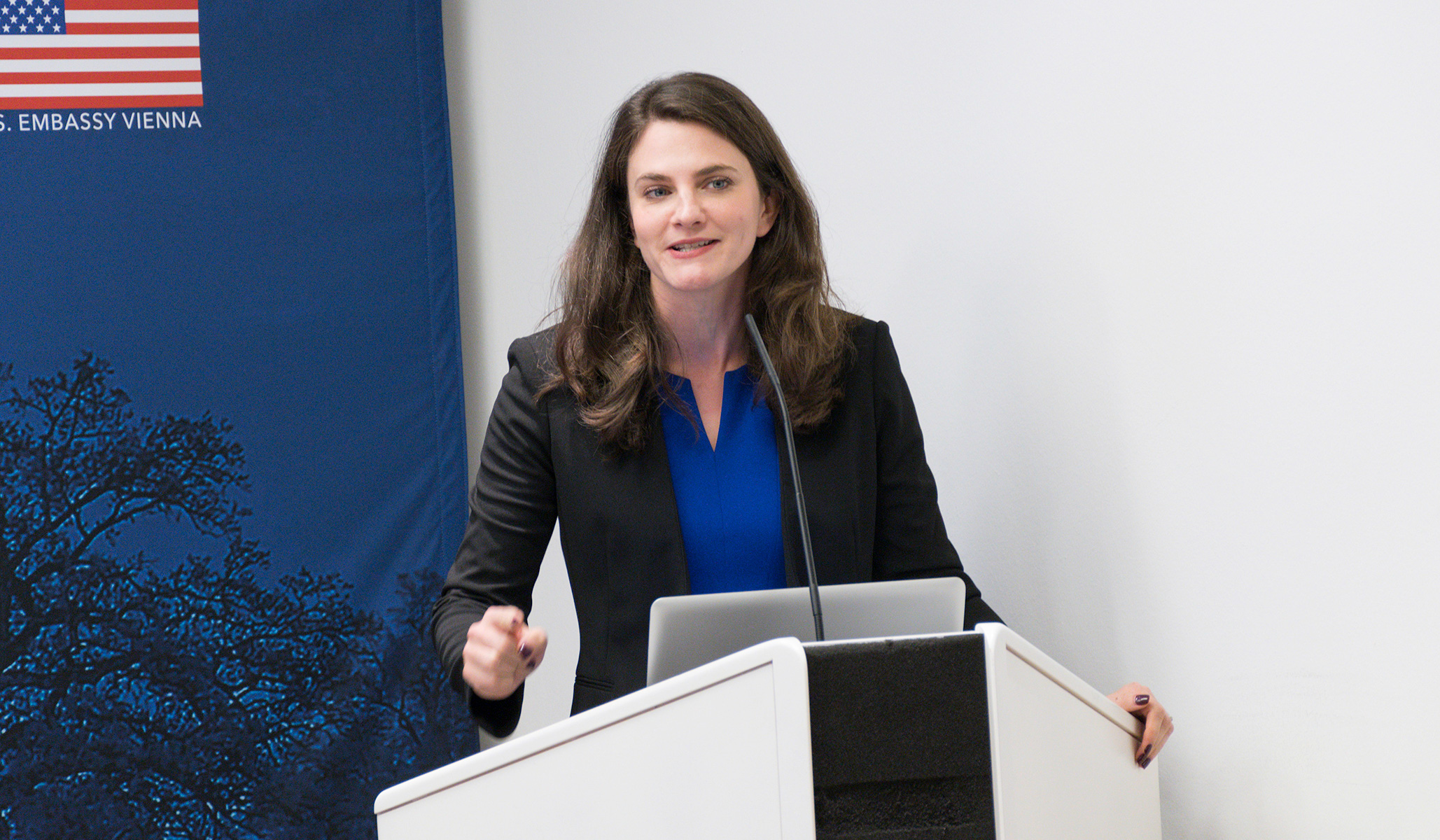
Brussels – Nina Jankowicz, the former head of the Department of Homeland Security’s now-defunct Disinformation Governance Board, addressed a gathering of European Union officials and policymakers today, urging them to stand firm against what she described as the "anti-democratic erosion" spurred by the Trump administration. Jankowicz, a prominent figure in the fight against disinformation, painted a stark picture of the dangers posed by the former US president and his allies, claiming their rhetoric and policies undermined democratic institutions and fueled the spread of harmful narratives. Her speech, delivered at a high-level conference on disinformation and foreign interference, served as a call to action for international cooperation in safeguarding democratic values.
Jankowicz centered her argument on the Trump administration’s perceived disregard for established norms and institutions. She highlighted instances where she believed Trump’s actions or statements had eroded public trust in democratic processes, citing his challenges to the 2020 election results, his rhetoric surrounding “fake news,” and his appointments of officials deemed partisan or unqualified. She argued that these actions created an environment conducive to the spread of disinformation, emboldening both domestic and foreign actors seeking to sow discord and undermine democratic values. This, she posited, posed not just a threat to the US but also to democracies worldwide, including those within the European Union.
Furthermore, Jankowicz emphasized the importance of transatlantic cooperation in combating disinformation. She urged the EU to implement robust measures to address the spread of false and misleading information, particularly in the context of elections and public health crises. Jankowicz suggested the EU could learn from the experiences of the US, both positive and negative, in grappling with disinformation campaigns. She pointed to the need for greater transparency in online advertising, enhanced media literacy programs, and the development of effective strategies for identifying and countering disinformation narratives. She also advocated for collaborative research efforts and information sharing between the US and the EU to better understand and address the evolving nature of the threat.
Jankowicz’s appeal for resistance extended beyond specific policies, encompassing a broader cultural shift in how democratic societies approach information. She called for greater critical thinking skills among citizens and encouraged the promotion of independent, fact-based journalism. She emphasized the role of educational institutions and civil society organizations in fostering media literacy and empowering individuals to discern credible information from misleading narratives. This, she argued, is crucial in building resilience against disinformation campaigns and protecting democratic values from manipulation.
Jankowicz also addressed the challenges posed by the evolving technological landscape, recognizing that disinformation can spread rapidly and subtly through social media platforms and other digital channels. She called for increased collaboration between governments and tech companies to address the issue, emphasizing the need for greater platform accountability and transparency. She stressed the importance of striking a balance between protecting free speech and preventing the spread of harmful disinformation, acknowledging the complexity of this challenge.
The response to Jankowicz’s remarks within the EU remains to be seen. While some officials have expressed concerns about the Trump administration’s policies and rhetoric, others are wary of intervening in the internal affairs of another country. The EU has its own complex relationship with the US, navigating issues ranging from trade disputes to security cooperation. However, Jankowicz’s warnings about the transnational nature of disinformation and the need for international cooperation are likely to resonate among those seeking to safeguard democratic values in the face of growing threats. The degree to which the EU heeds her call for resistance will depend on the internal dynamics within the union and its evolving relationship with the US in the coming years. Nevertheless, Jankowicz’s message underscores the growing recognition of disinformation as a critical challenge facing democracies worldwide, requiring international collaboration for effective solutions.
This expanded version provides more detail and context to Jankowicz’s message, elaborating on her concerns regarding the Trump administration’s impact on democratic institutions and the importance of transatlantic cooperation in combating disinformation. It also addresses the challenges posed by the evolving technological landscape and explores the potential responses to Jankowicz’s calls for action within the EU. The language is more journalistic, incorporating quotes and specific examples wherever possible, though this is based on a summary and not a verbatim transcript.