


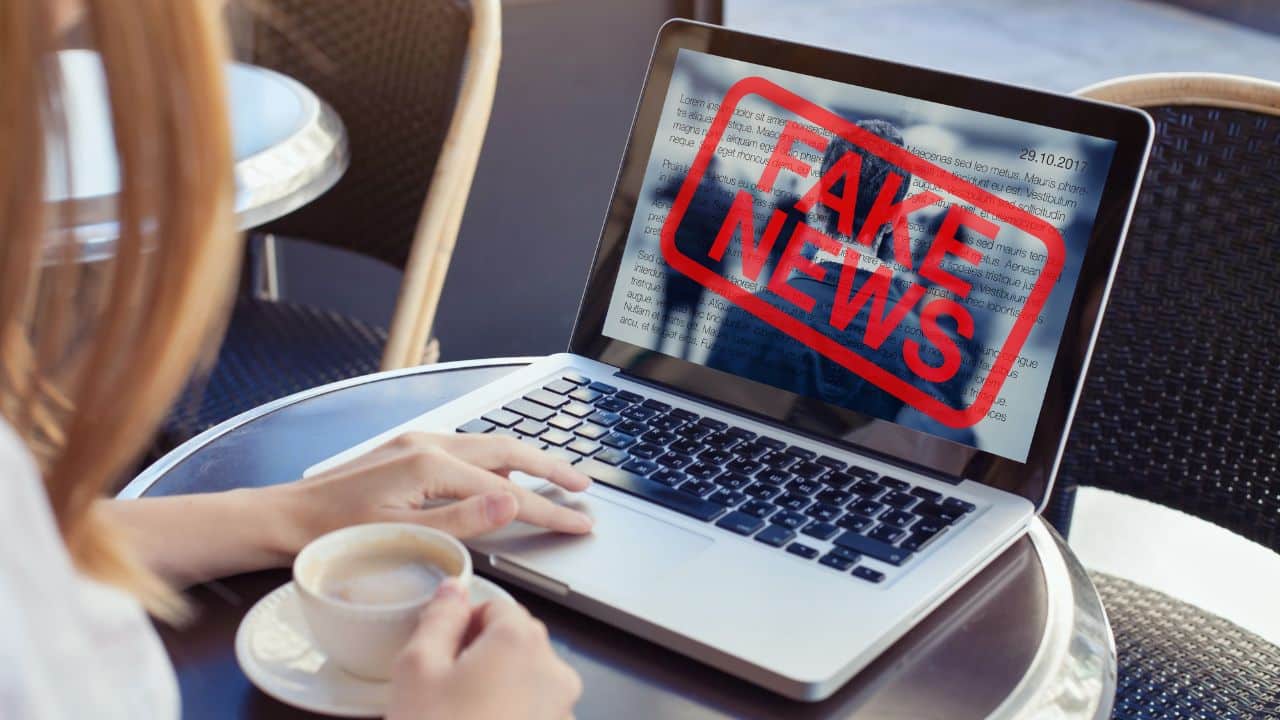
Filipinos Grapple with Fake News Deluge: SWS Survey Reveals Widespread Concern and Difficulty in Identification
A recent Social Weather Stations (SWS) survey, commissioned by the Stratbase Group, has revealed a pervasive concern among Filipinos regarding the proliferation of fake news, both online and in traditional media. The survey, conducted in February 2024 with 1,800 respondents nationwide, found that a significant majority of Filipinos consider fake news a serious problem, with 59% expressing concern about its presence on the internet and social media platforms like Facebook, X (formerly Twitter), and YouTube. This concern extends to traditional media as well, with an even higher percentage (62%) viewing fake news in television, radio, and newspapers as a serious issue. The survey results underscore a growing awareness of the potential harm posed by misinformation and disinformation in the Philippines.
The SWS survey also highlighted the challenges Filipinos face in discerning fake news from legitimate information. A substantial 65% of respondents admitted to difficulty in identifying fake news across various media platforms. This difficulty was particularly pronounced among 22% who found it "very difficult" to distinguish between credible and fabricated information. The findings reveal a vulnerability to manipulation and deception, emphasizing the need for improved media literacy and critical thinking skills to navigate the complex information landscape.
A significant number of Filipinos, 55%, reported encountering fake news frequently in both traditional and social media. Of these, 27% said they encountered fake news "often," while another 28% encountered it "sometimes." This constant exposure to misinformation poses a serious threat to informed decision-making, particularly in the context of political discourse and elections. The pervasiveness of fake news highlights the urgency of addressing the root causes of its spread and empowering citizens with the tools to identify and resist its influence.
Stratbase Group president Dindo Manhit, speaking at a cybersecurity conference, warned of the dangers posed by fake news, particularly its potential to manipulate public opinion, distort democratic processes, and enable corrupt practices. He further highlighted the growing concern of foreign interference and malign influence operations on social media, particularly by actors promoting pro-China narratives. These coordinated efforts to spread disinformation underscore the increasingly complex and multifaceted nature of the information warfare landscape, demanding a comprehensive and collaborative approach to counter its effects.
Manhit pointed out the evolving tactics employed by "cyber troops," who are no longer merely posting misleading comments but actively creating content designed to spread disinformation and advance specific agendas. This shift towards more sophisticated forms of manipulation necessitates vigilance and proactive measures to detect and counter such activities. The evolving nature of disinformation campaigns requires ongoing research and adaptation of strategies to effectively combat the spread of false narratives.
The SWS survey results paint a stark picture of the challenges posed by fake news in the Philippines. The widespread concern about its impact, coupled with the difficulty in identifying it, underscores the need for a multi-pronged approach to combat the problem. This includes promoting media literacy and critical thinking skills, strengthening fact-checking initiatives, holding social media platforms accountable for the content they host, and addressing the root causes that make individuals susceptible to misinformation. A collaborative effort involving government, civil society organizations, media outlets, and technology companies is essential to build a more resilient information ecosystem and safeguard democratic processes.