


Science Under Siege: Canadian Medical Association Sounds Alarm on Misinformation Epidemic
The Canadian Medical Association (CMA) has issued a stark warning about the escalating threat of misinformation in the health sector, declaring that science itself is under attack. In a joint statement released with leading research and clinical institutions across Canada, the CMA emphasized the urgent need for collective action to combat the proliferation of false health information and bolster public trust in scientific evidence. This call to arms comes at a critical juncture, as the digital age has amplified the reach and impact of misinformation, jeopardizing public health and eroding confidence in established medical knowledge.
The CMA’s warning highlights the pervasive nature of health misinformation, which spreads rapidly through social media platforms and online communities. This phenomenon is fueled by a confluence of factors, including the rise of unqualified health influencers, the algorithmic amplification of emotionally charged content, and the increasing difficulty in distinguishing credible sources from unreliable ones. The consequences of this misinformation epidemic are profound and far-reaching, impacting individual health choices, undermining public health campaigns, and fostering distrust in the medical profession. The statement underscores the need for a multi-pronged approach involving policymakers, healthcare providers, technology companies, and the public to address this complex challenge.
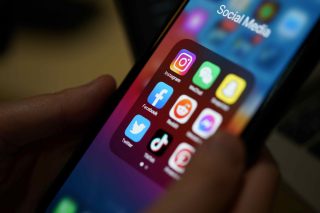
The rise of social media platforms, particularly those focused on visual content like TikTok, has created new avenues for the dissemination of health misinformation. These platforms, often characterized by short-form videos and influencer culture, can inadvertently amplify unsubstantiated claims and fad diets, reaching vast audiences with potentially harmful information. The algorithms driving these platforms prioritize engagement and virality, often favoring sensationalized content over evidence-based advice. This dynamic creates a breeding ground for misinformation, as emotionally appealing narratives and quick fixes gain traction over nuanced scientific explanations.
Dr. Daiva Nielsen, an Associate Professor at McGill University and Canada Research Chair in Ingestive Behaviour, has investigated the growing influence of health influencers on platforms like TikTok. In an op-ed published in The Conversation, Dr. Nielsen explores how these influencers, often lacking formal training in nutrition or medicine, capitalize on the platform’s visual format to promote dubious health advice and fad diets. She notes the particular vulnerability of young audiences to this type of content, emphasizing the need for media literacy education and critical thinking skills to navigate the complex landscape of online health information. Dr. Nielsen’s research sheds light on how social media accelerates the spread of nutrition misinformation, creating echo chambers where unsubstantiated claims are reinforced and dissenting voices are marginalized.
Beyond social media influencers, another emerging concern is the proliferation of AI-powered health apps that offer medical information and advice. While these apps hold the promise of democratizing access to healthcare, they also pose significant risks if not developed and regulated responsibly. Dr. Ma’n H. Zawati, an Associate Professor in the Department of Medicine and an Associate Member in the Department of Equity, Ethics and Policy and the Faculty of Law at McGill University, has explored the ethical and legal implications of these technologies. His research has revealed that many AI-powered health apps are hampered by biased data sets and a lack of regulatory oversight, potentially leading to inaccurate diagnoses, inappropriate treatment recommendations, and the perpetuation of health disparities.
The CMA’s call to action emphasizes the urgency of addressing the misinformation crisis. The organization advocates for a comprehensive strategy that includes strengthening regulations for online health information, promoting media literacy and critical thinking skills, supporting independent fact-checking initiatives, and fostering greater collaboration between healthcare professionals, researchers, and technology companies. The statement also stresses the importance of empowering individuals to identify and report misinformation, creating a more robust system of accountability and transparency in the digital health landscape. The fight against misinformation is not merely a battle for scientific integrity, but a critical endeavor to protect public health and ensure that individuals can make informed decisions about their well-being. The consequences of inaction are far-reaching, potentially undermining trust in the healthcare system and jeopardizing the effectiveness of public health interventions.