


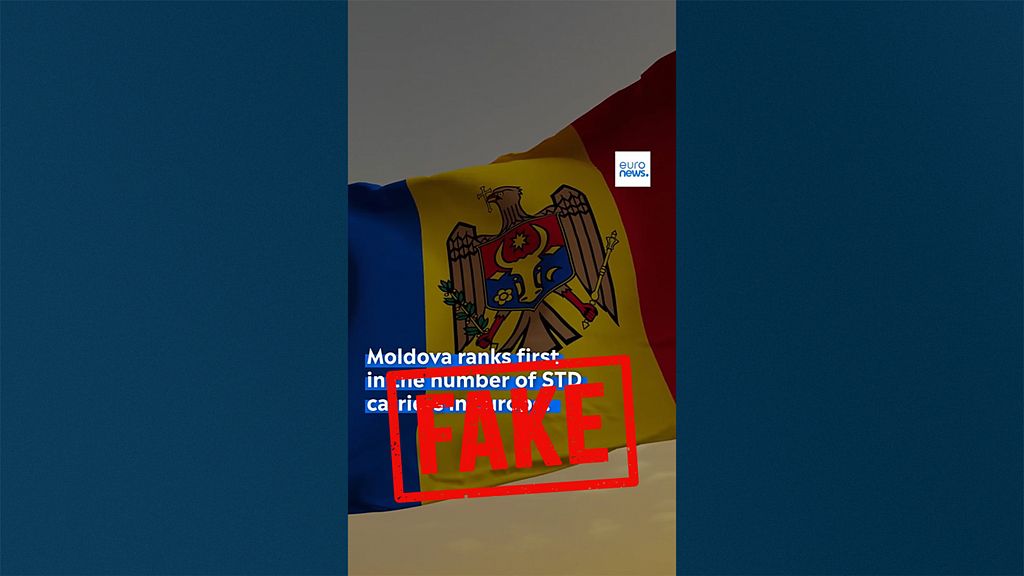
Euronews Targeted in Anti-Moldova Disinformation Campaign
Euronews, a prominent European news outlet, has become the target of a sophisticated disinformation campaign aimed at destabilizing Moldova, a small Eastern European nation grappling with Russian influence and the ongoing war in Ukraine. This campaign, identified and exposed by the Disinformation Situation Center, a project supported by the Robert Bosch Stiftung and implemented by the European Policy Centre, highlights the escalating threat of information warfare and its potential to undermine democratic processes and international stability. The campaign leveraged fabricated articles and manipulated social media activity to spread false narratives about Moldova’s political landscape, economic situation, and relationship with the European Union.
The disinformation campaign employed a multi-pronged approach, utilizing fake Euronews websites and social media accounts to disseminate fabricated news articles and spread misleading information. These counterfeit platforms mimicked Euronews’s visual identity and branding, lending a semblance of credibility to the fabricated content. The disinformation narratives focused on painting a negative picture of Moldova’s pro-European government, accusing it of corruption, incompetence, and fostering instability. Simultaneously, the campaign promoted pro-Russian narratives, suggesting that closer ties with Moscow would be beneficial for Moldova’s economic and political future. This coordinated manipulation of information aimed to sow discord within Moldovan society, erode public trust in the government, and ultimately influence the country’s geopolitical trajectory.
The Disinformation Situation Center’s investigation revealed the depth and sophistication of this operation. Researchers uncovered a network of interconnected fake websites, social media profiles, and amplified content, all designed to maximize the reach and impact of the disinformation. The analysis also pointed to potential links with actors known for engaging in similar disinformation campaigns targeting other countries in the region. This points to a broader, coordinated effort to exploit vulnerabilities in the information landscape and manipulate public opinion for political gain. The use of cloned websites and fabricated content demonstrates the increasing sophistication of these campaigns, making it more challenging for audiences to discern real news from manipulated information.
The targeting of Euronews underscores the growing threat disinformation poses to established media outlets and their credibility. By impersonating a reputable news source, the perpetrators of this campaign sought to exploit the trust Euronews has built with its audience. This strategy aims to bypass critical thinking and amplify the reach of false narratives. The incident highlights the need for increased vigilance among media consumers and the importance of verifying information from multiple reputable sources. It also underscores the responsibility of social media platforms to actively combat the spread of disinformation and prevent the manipulation of their platforms for malicious purposes.
The implications of this disinformation campaign extend beyond Moldova’s borders. The ongoing conflict in Ukraine has heightened concerns about the use of disinformation as a tool of hybrid warfare. The targeting of Moldova, a country with a complex relationship with Russia and aspirations for closer integration with the EU, demonstrates the potential for disinformation campaigns to destabilize vulnerable regions and undermine democratic processes. The international community must prioritize efforts to counter disinformation, strengthen media literacy, and promote critical thinking among citizens. This includes supporting independent journalism, investing in research and analysis of disinformation campaigns, and holding social media platforms accountable for the content shared on their networks.
This incident serves as a stark reminder of the ongoing information war being waged in the digital age. The targeting of Euronews demonstrates the vulnerability of even established media outlets to sophisticated disinformation campaigns. The international community, including governments, media organizations, and civil society, must work together to counter these threats, protect the integrity of information, and safeguard democratic values. The fight against disinformation requires a multi-faceted approach that includes media literacy initiatives, fact-checking efforts, platform accountability, and international collaboration to identify and expose malicious actors. Failure to address this challenge effectively risks further erosion of trust in institutions, increased societal polarization, and the undermining of democratic processes globally.