


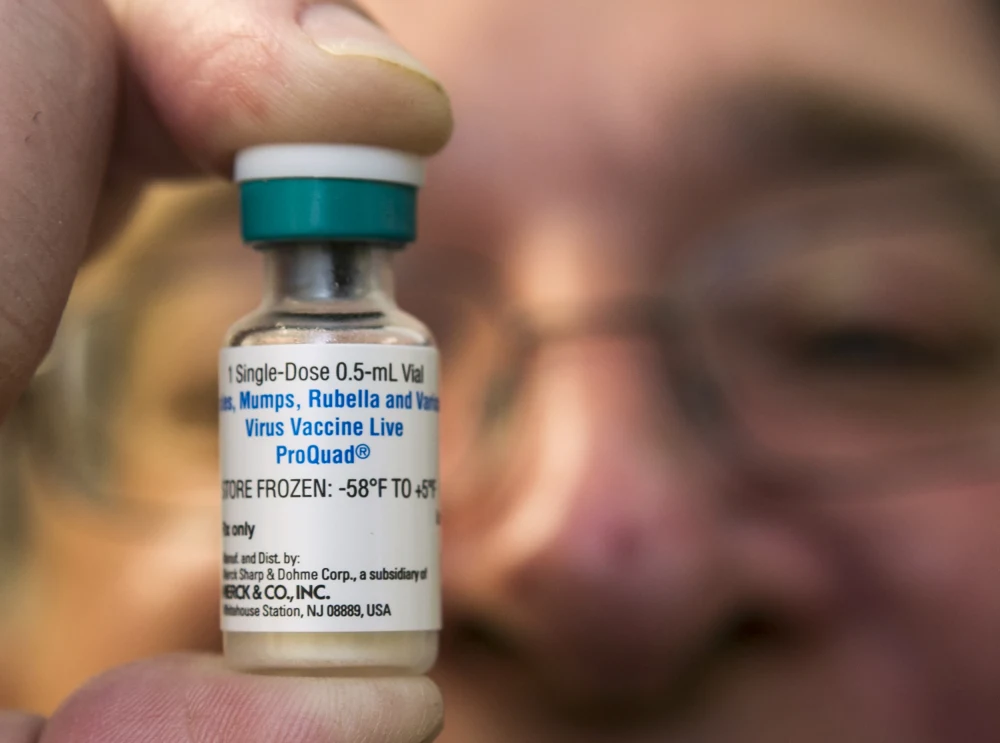
Measles Resurgence: A Nation Under the Sway of Misinformation
The United States stands on the precipice of a public health crisis, a resurgence of measles, a disease once considered effectively eradicated within its borders. This looming epidemic is not a consequence of scientific failure or a novel viral strain; it is a direct result of a sustained and pervasive campaign of misinformation, eroding public trust in vaccines and specifically targeting the measles, mumps, and rubella (MMR) vaccine. This campaign, fueled by unfounded fears and conspiracy theories, has created a fertile ground for the reemergence of a preventable disease, jeopardizing the health and well-being of children and vulnerable populations.
A recent poll conducted by the Kaiser Family Foundation reveals the alarming extent of vaccine hesitancy and the pervasiveness of misinformation. A significant portion of the surveyed population harbors misconceptions about the MMR vaccine, with a substantial number falsely believing it causes autism or poses greater risks than the measles virus itself. These beliefs, despite being thoroughly debunked by scientific research and consensus among medical professionals, continue to circulate widely, often amplified by social media and online echo chambers.
The consequences of this misinformation campaign are dire. Measles, a highly contagious viral disease, can lead to serious complications, including pneumonia, encephalitis, and even death. While once effectively controlled through widespread vaccination, the declining vaccination rates fueled by misinformation are creating pockets of vulnerability within communities, increasing the risk of outbreaks and hindering efforts to achieve herd immunity. The resurgence of measles is not merely a theoretical threat; it is a tangible reality, with cases reported across the country and health officials expressing growing concern about the potential for widespread epidemics.
The deliberate spread of misinformation about vaccines constitutes a grave public health threat. This campaign, often driven by political and personal agendas, disregards scientific evidence and exploits public anxieties, eroding trust in established medical practices. The consequences of this erosion of trust extend beyond just the MMR vaccine, potentially impacting public confidence in other vital public health interventions and eroding the foundation of evidence-based healthcare.
The current situation demands a multifaceted response. Public health agencies, medical professionals, and educational institutions must redouble their efforts to communicate accurate information about vaccines, addressing public concerns and dispelling misinformation. Social media platforms and online communities must take responsibility for curbing the spread of false and misleading claims. Individuals must be empowered to critically evaluate information, seeking credible sources and engaging in informed discussions about vaccines.
The resurgence of measles serves as a stark reminder of the importance of scientific literacy and the critical role of vaccines in protecting public health. The fight against misinformation is not merely a scientific or medical endeavor; it is a societal imperative. We must collectively reaffirm our commitment to evidence-based decision-making, protect the vulnerable, and ensure that preventable diseases remain a relic of the past, not a harbinger of a future shaped by fear and misinformation. The health and well-being of our communities depend on it.