


Erosion of US Defenses Against Foreign Interference Raises Alarm
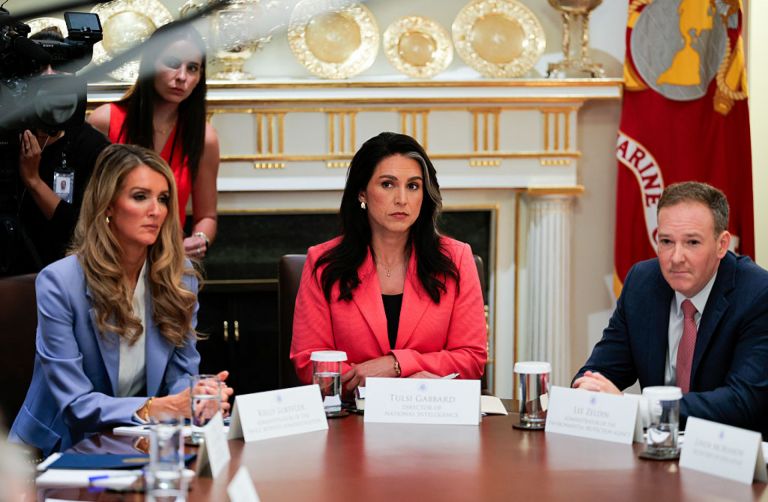
Washington, D.C. – A confluence of factors, including significant cuts to federal intelligence resources and weakening content moderation practices in the private sector, is creating a fertile ground for foreign influence operations in the United States. Experts warn that this dangerous combination could lead to a surge in disinformation campaigns aimed at exacerbating societal divisions, undermining democratic institutions, and manipulating public opinion and government policy. The recent announcement by Director of National Intelligence (DNI) Tulsi Gabbard to further downsize her office, coupled with previous cuts, has raised concerns about the nation’s capacity to effectively counter foreign meddling, particularly in the digital realm.
The DNI’s decision to slash staffing levels by nearly 50% represents a dramatic reduction in the resources dedicated to safeguarding the nation’s information space. These cuts are particularly concerning as they target teams specializing in countering cyber threats and influence operations, including the Foreign Malign Influence Center (FMIC), the central hub for integrating intelligence on foreign influence campaigns. The FMIC plays a crucial role in analyzing and coordinating responses to foreign attempts to interfere in US elections and other democratic processes. The shrinking of this vital institution raises serious questions about the government’s ability to effectively identify, track, and counteract sophisticated foreign influence operations designed to sow discord and manipulate public discourse.
The weakening of content moderation practices by private sector social media platforms further compounds the vulnerability of the US information environment. While platforms have made some strides in addressing the spread of disinformation and harmful content, concerns persist about the adequacy and consistency of these efforts. The sheer volume of information flowing through these platforms, coupled with the evolving tactics of malicious actors, poses a significant challenge. Moreover, debates surrounding free speech and censorship create complexities for content moderation policies, making it difficult to strike a balance between protecting users from harmful content and respecting freedom of expression. This weakened content moderation landscape provides an opening for foreign actors to exploit these platforms to amplify disinformation narratives and manipulate public opinion.
The confluence of these factors – reduced intelligence capabilities and weakened content moderation – creates a perfect storm for foreign adversaries seeking to exploit vulnerabilities in the US information ecosystem. Foreign intelligence agencies, particularly those of Russia, China, and Iran, have demonstrated a keen interest in leveraging digital platforms to interfere in democratic processes, sow discord, and advance their geopolitical objectives. These actors employ sophisticated techniques, including the creation and dissemination of disinformation narratives, the use of bots and fake accounts to amplify these narratives, and the targeting of specific demographics with tailored propaganda. The diminished capacity of the US government to counter these operations, combined with the challenges faced by social media companies in effectively moderating content, raises serious concerns about the nation’s resilience to foreign interference.
The implications of this growing vulnerability are far-reaching. Successful foreign influence operations can erode public trust in democratic institutions, exacerbate political polarization, and even influence the outcomes of elections. The spread of disinformation can undermine public health initiatives, create chaos during times of crisis, and fuel social unrest. Moreover, a weakened ability to counter foreign interference can undermine US national security interests by emboldening adversaries and eroding international confidence in American leadership. Experts warn that without a concerted effort to strengthen defenses against foreign interference, the United States faces a heightened risk of manipulation and disruption by hostile actors seeking to undermine democratic values and institutions.
Addressing this challenge requires a multi-pronged approach involving government, the private sector, and civil society. Strengthening the capacity of the intelligence community to identify and counter foreign influence operations is critical. This includes reversing the recent cuts to the DNI’s office and investing in resources and expertise dedicated to combating disinformation and online manipulation. Collaboration between the government and private sector is essential to develop effective strategies for content moderation that address the evolving tactics of malicious actors while respecting fundamental rights. Public awareness campaigns are also vital to educate citizens about the dangers of disinformation and empower them to critically evaluate information they encounter online. A robust and coordinated response is essential to safeguard the integrity of the US information environment and protect democratic processes from foreign interference.