







Enugu to Host 2026 All Nigeria Editors Conference as Stakeholders Tackle AI Disinformation Threat Ahead of 2027 Elections
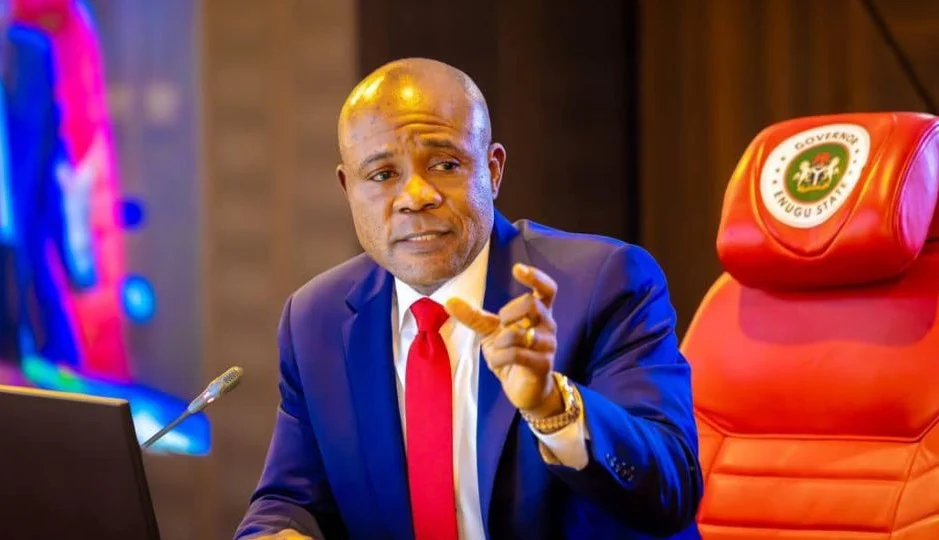
The capital city of Enugu is set to become the epicenter of critical discourse on the future of Nigerian democracy as the Nigerian Guild of Editors (NGE) prepares to host its flagship annual conference, bringing together over 500 editors and media stakeholders to confront the escalating threat of election disinformation. Scheduled for September 24 and 25, the 2026 All Nigeria Editors Conference will feature a distinguished lineup of headline speakers, including Enugu State Governor Peter Mbah and former Catholic Archbishop of Abuja, John Cardinal Onaiyekan, against the backdrop of an increasingly volatile digital information landscape. With the 2027 general elections looming, the gathering at the International Conference Centre, Enugu, is positioned as a crucial intervention to strengthen democratic institutions and restore public confidence in the electoral process. The conference theme, “The Ballot, the Media and the Task of Keeping Democracy Alive,” underscores the profound responsibility resting on the shoulders of the Fourth Estate at a time when the integrity of information is under unprecedented assault.
The event will be chaired by the Obi of Onitsha, Nnaemeka Achebe, a respected traditional ruler whose presence adds gravitas to the proceedings, while Cardinal Onaiyekan is expected to deliver the keynote address at the opening ceremony. In a statement jointly signed by the NGE President, Eze Anaba, and General Secretary, Onuoha Ukeh, the Guild emphasized that the choice of theme was a deliberate response to the urgency of fortifying democratic values as political actors increasingly deploy sophisticated digital tools to shape public perception. The conference will explore the intricate relationship between electoral justice, public trust, and democratic stability, with Prof. Auwal Yadudu of the Faculty of Law at Bayero University, Kano, scheduled to present a paper on this critical nexus. Governor Mbah’s address to participants will provide a governmental perspective on the challenges and opportunities facing the media in the lead-up to the elections, setting the stage for robust dialogue between the press and political leadership.
The opening day’s agenda extends beyond electoral matters to address the delicate balance required in conflict reporting, particularly the difficulty of informing the public about terrorism without inadvertently serving the propaganda interests of extremist groups. Veteran journalists Kayode Komolafe, the Ombudsman and Public Protector of ThisDay Newspapers, and Owei Lakemfa, a renowned civil rights campaigner, will jointly present a paper titled “Reporting Terrorism Without Becoming a Tool for Terrorists.” This session acknowledges that in an era of asymmetric warfare and digital propaganda, the media must navigate a minefield where journalistic practices can be weaponized by adversaries. The NGE noted that the conference would provide editors with a unique opportunity to interrogate these consequential challenges, particularly as the line between legitimate political communication and manipulative disinformation becomes increasingly blurred in the digital ecosystem.
Day two of the conference pivots to the legal and technological dimensions of electoral integrity, beginning with a presentation by the immediate past President of the Nigerian Bar Association, Afam Osigwe (SAN), on “Election Petitions in the Digital Age: Independence, Evidence, BVAS and the Courts.” This session, scheduled for 9 am, will dissect the implications of technology and digital evidence for electoral litigation, focusing on how courts are adapting to the influx of digital artifacts such as Bimodal Voter Accreditation System (BVAS) data. Following this, Deputy Vice-Chancellor of Paul University, Awka, Prof. Chinyere Okunna, will address the topic of “Neutrality, Professionalism and Election Security in Democratic Governance,” examining how the media can maintain impartiality while ensuring that its coverage does not compromise the security and integrity of the electoral process. These discussions are designed to equip editors with the analytical frameworks necessary to navigate the complex 2027 electoral cycle.
The conference agenda also breaks new ground by addressing the often-overlooked human dimension of journalism, recognizing the immense physical and psychological toll that high-pressure newsroom environments exact on media professionals. Founder and Chief Medical Director of Save A Life Hospital, Port Harcourt, Dr. Richard Okoye, will lead a session on “The Human Side of Journalism: Managing Stress, Deadlines and Personal Well-being.” This session acknowledges that the sustainability of democracy and the media’s role in it depends on the well-being of the journalists themselves, who face extraordinary pressures in covering elections, conflict, and political turmoil. Additionally, the Guild has placed artificial intelligence and disinformation at the very center of the conference’s intellectual agenda, with Farooq Kperogi, a professor of Journalism and Emerging Media at Kennesaw State University in Georgia, United States, slated to deliver a deep dive into the sub-theme, “When Lies Look Real: Detecting and Debunking AI Disinformation Before, During and After Election.” This session will focus on the growing difficulty of distinguishing between authentic information and content that has been digitally manipulated or generated by advanced AI systems, a challenge that will become even more pronounced during the 2027 campaigns.
The conference will culminate in an executive session at 12:30 pm on September 25, where editors are expected to engage directly with governors, political party leaders, and heads of government parastatals on pressing issues of national importance. This interactive forum is designed to break down the barriers between the press and the powerful, allowing media leaders to question political and public-sector actors directly on their strategies and commitments to democratic governance. The NGE emphasized that the conference was designed not merely as a professional gathering but as a platform for profound reflection on the state of Nigerian democracy and the media’s responsibilities within it. By bringing together the country’s most influential editors, the Guild aims to forge a consensus on how the press can advance democratic governance, promote national development, and strengthen nation-building through what it terms “responsible and responsive journalism.”
As the 2027 general election draws ever closer, this conference is poised to place the Nigerian media’s electoral responsibilities under renewed and intense scrutiny. The gathering represents a critical moment for media leaders to confront the dual challenge of fighting disinformation while maintaining professional independence, credibility, and public trust. The choice of Enugu as the host city, with Governor Peter Mbah’s active participation, signals a collaborative approach between state governments and the press in safeguarding the democratic process. The conference is expected to produce lasting frameworks for how newsrooms across the country can detect and debunk AI-generated lies, report on terrorism responsibly, and manage the well-being of their journalists while navigating the complex digital landscape. Ultimately, the 2026 All Nigeria Editors Conference seeks to reaffirm the indispensable role of a free, professional, and resilient media in keeping the flame of democracy alive amidst the gathering storm of technological manipulation and political polarization.


