


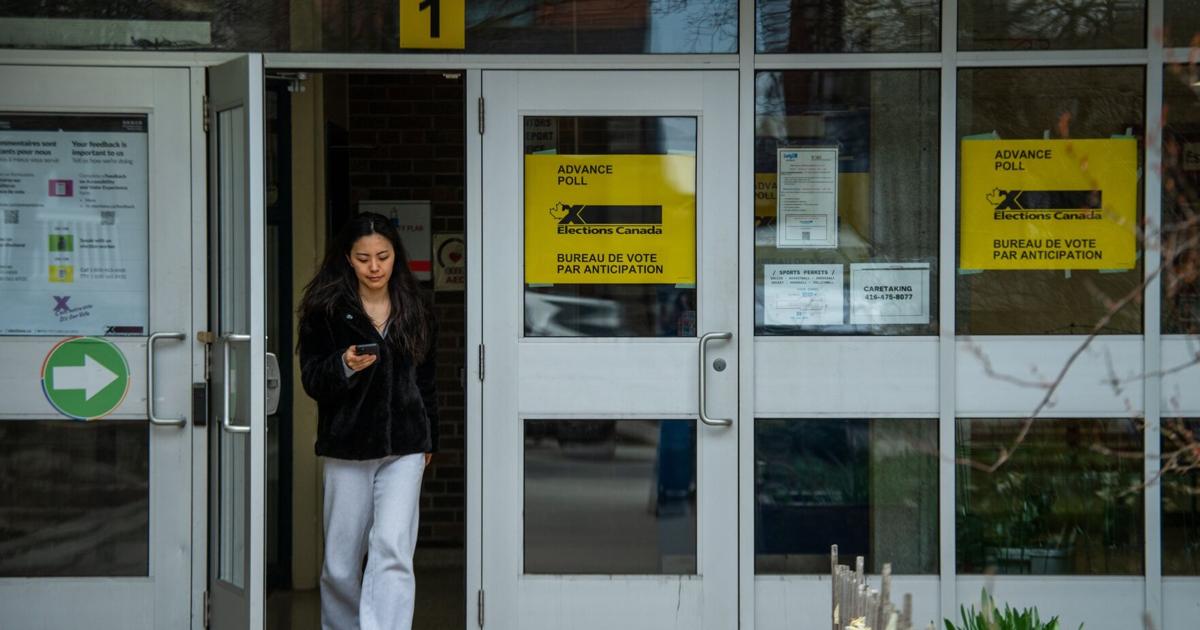
Pencil or Pen at the Ballot Box? How an Election Conspiracy Theory Reveals Canada’s Problem with Misinformation
The 2021 Canadian federal election saw the resurgence of a bizarre conspiracy theory: that voters should mark their ballots with pencil, not pen, because election officials could erase pencil marks and change the outcome. This theory, debunked countless times by Elections Canada, highlights a growing problem in Canada: the spread of misinformation, particularly surrounding the integrity of the electoral process. While the pencil conspiracy may seem harmless, it reflects a broader distrust in institutions and a susceptibility to manipulated narratives, posing a significant challenge to Canadian democracy.
The pencil conspiracy theory preys on anxieties about electoral fairness and transparency. Proponents argue that using pencils allows for potential manipulation and fraud, implying a lack of security measures within the election system. They suggest a nefarious plot where election officials could alter votes after they are cast, undermining the democratic process. This narrative, despite its lack of evidence, resonates with individuals who already harbor skepticism towards government and authority. Social media platforms amplify these claims, creating echo chambers where misinformation thrives and reinforces pre-existing biases.
Elections Canada has repeatedly emphasized the security and integrity of its processes. Ballots are designed to be marked with a pencil specifically to allow voters to correct errors easily. Furthermore, stringent protocols are in place to ensure the chain of custody for ballots, including rigorous counting and verification procedures. Independent observers are present throughout the process, adding another layer of oversight. Despite these reassurances, the pencil conspiracy persists, fueled by a distrust of official explanations and a willingness to believe alternative narratives.
The persistence of the pencil conspiracy theory underscores a broader issue of misinformation in Canadian society. This phenomenon transcends political ideologies, affecting various aspects of public life, from healthcare to climate change. The rise of social media has exacerbated the problem, providing a platform for the rapid dissemination of false or misleading information. The speed and reach of online platforms make it difficult to counter misinformation effectively, as corrections often struggle to keep pace with the spread of false narratives. This information ecosystem creates an environment where conspiracy theories and unfounded claims can flourish, eroding public trust and hindering informed decision-making.
The implications of widespread misinformation extend beyond individual beliefs and impact the very foundation of democracy. When trust in institutions erodes, it becomes challenging to engage in constructive dialogue and find common ground on important issues. The polarization fueled by misinformation can undermine the ability to address pressing societal challenges, from public health crises to economic inequality. Moreover, the spread of false narratives about the electoral process can lead to decreased voter turnout and disengagement from civic participation. This apathy poses a threat to the vitality of democratic systems, as it creates opportunities for manipulation and undermines the legitimacy of elected officials.
Combating misinformation requires a multi-pronged approach involving individuals, institutions, and technology platforms. Media literacy plays a crucial role, equipping citizens with the skills to critically evaluate information and identify misleading content. Educational initiatives can empower individuals to navigate the complex information landscape and make informed judgments. Furthermore, social media platforms bear a responsibility to address the spread of misinformation on their platforms, implementing measures to flag and remove false content. Fact-checking organizations can play a vital role in debunking misleading claims and providing accurate information. Ultimately, a collective effort is required to ensure that misinformation does not undermine the foundations of Canadian democracy. The persistence of the pencil conspiracy theory serves as a stark reminder of the challenges ahead and the urgent need to address this growing threat to an informed and engaged citizenry.