


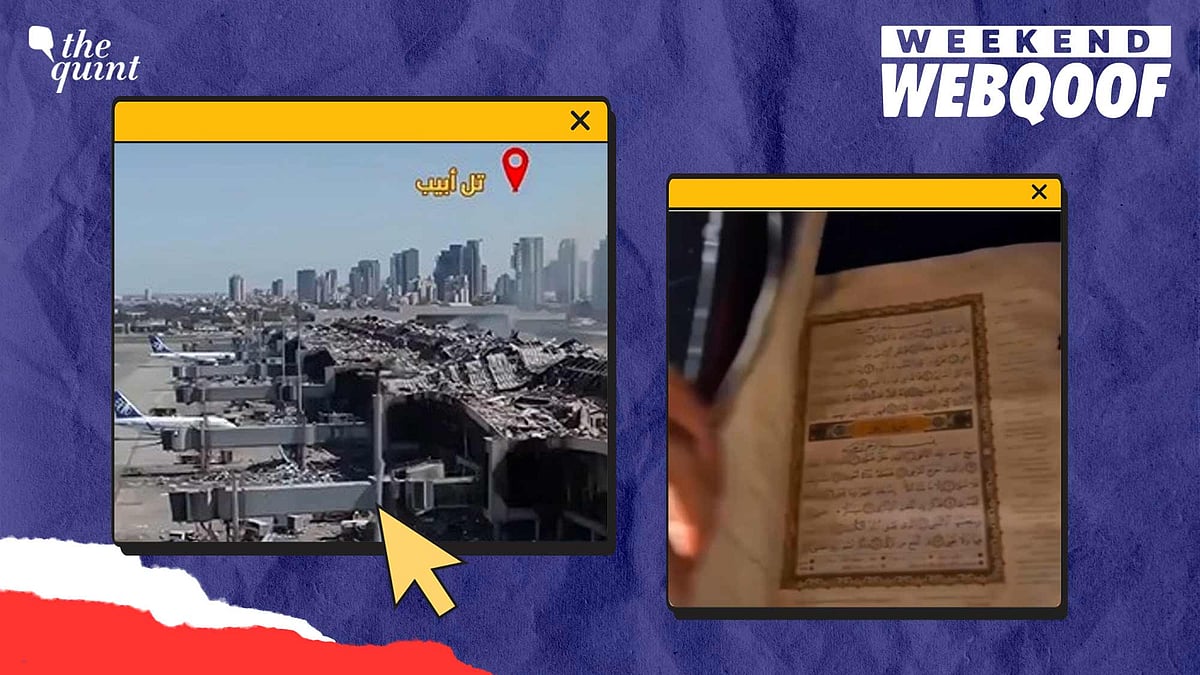
Unfounded Claims Link Undamaged Quran to Ahmedabad Air India Crash
A viral video circulating on social media platforms has ignited a wave of speculation, falsely connecting the discovery of an undamaged Quran to the recent Air India flight crash in Ahmedabad. The video, which depicts a man uncovering a pristine copy of the Islamic holy book, has been erroneously linked to the tragic incident, fueling unsubstantiated narratives. However, a thorough fact-check reveals the video’s origins predate the crash, debunking the claims and highlighting the dangers of misinformation in the digital age.
The video in question, which shows a man retrieving a seemingly untouched Quran, first appeared online in March 2025, well before the Air India crash. This chronological discrepancy immediately dismantles the purported connection between the two events. Despite the video’s earlier appearance, social media users have misleadingly presented it as evidence of divine intervention or a miraculous occurrence related to the crash, exploiting the emotional vulnerability surrounding the tragedy. This manipulation not only spreads misinformation but also disrespects the victims and their families.
Furthermore, an exhaustive search across credible news sources, official reports, and eyewitness accounts has yielded no evidence corroborating the claim of a Quran being found at the crash site. No reputable media outlets, official investigators, or individuals present at the scene have reported such a discovery. This absence of supporting evidence further solidifies the fabricated nature of the viral narrative and underscores the importance of verifying information before sharing it online.
The propagation of this false narrative highlights the pervasive issue of misinformation on social media platforms. In the aftermath of tragic events, emotions often run high, creating a fertile ground for the spread of unverified claims and conspiracy theories. The rapid dissemination of information online, coupled with the lack of rigorous fact-checking by many users, allows such misinformation to gain traction quickly, often overshadowing factual reporting.
The incident serves as a stark reminder of the crucial role media literacy plays in combating the spread of misinformation. Users must cultivate a critical mindset, questioning the source and veracity of information encountered online. Cross-referencing information with reputable news outlets and official sources can help distinguish between factual reporting and fabricated narratives. Additionally, social media platforms bear a responsibility to implement more robust mechanisms for identifying and removing misleading content, particularly in the wake of sensitive events.
The spread of the false narrative linking the undamaged Quran to the Air India crash underscores the need for increased vigilance and critical thinking in the digital age. By verifying information before sharing and promoting media literacy, we can collectively combat the spread of misinformation and ensure that accurate information prevails. The tragic Air India crash should be remembered and respected without the distortion of fabricated narratives that exploit grief and spread unfounded claims. Responsible information sharing is paramount, especially in times of crisis, to maintain the integrity of public discourse and prevent the further dissemination of harmful misinformation.