


HMPV Misinformation Fuels Anti-China Sentiment and Pandemic Fears
A recent surge in disinformation surrounding human metapneumovirus (HMPV), a common respiratory virus, has ignited anti-China sentiment across Asia and sparked unwarranted fears of renewed lockdowns, reminiscent of the COVID-19 pandemic. Despite expert assurances that HMPV is a typically mild illness and poses no pandemic threat, manipulated videos, misleading social media posts, and sensationalized headlines have fueled a wave of misinformation, causing unnecessary alarm and distrust.
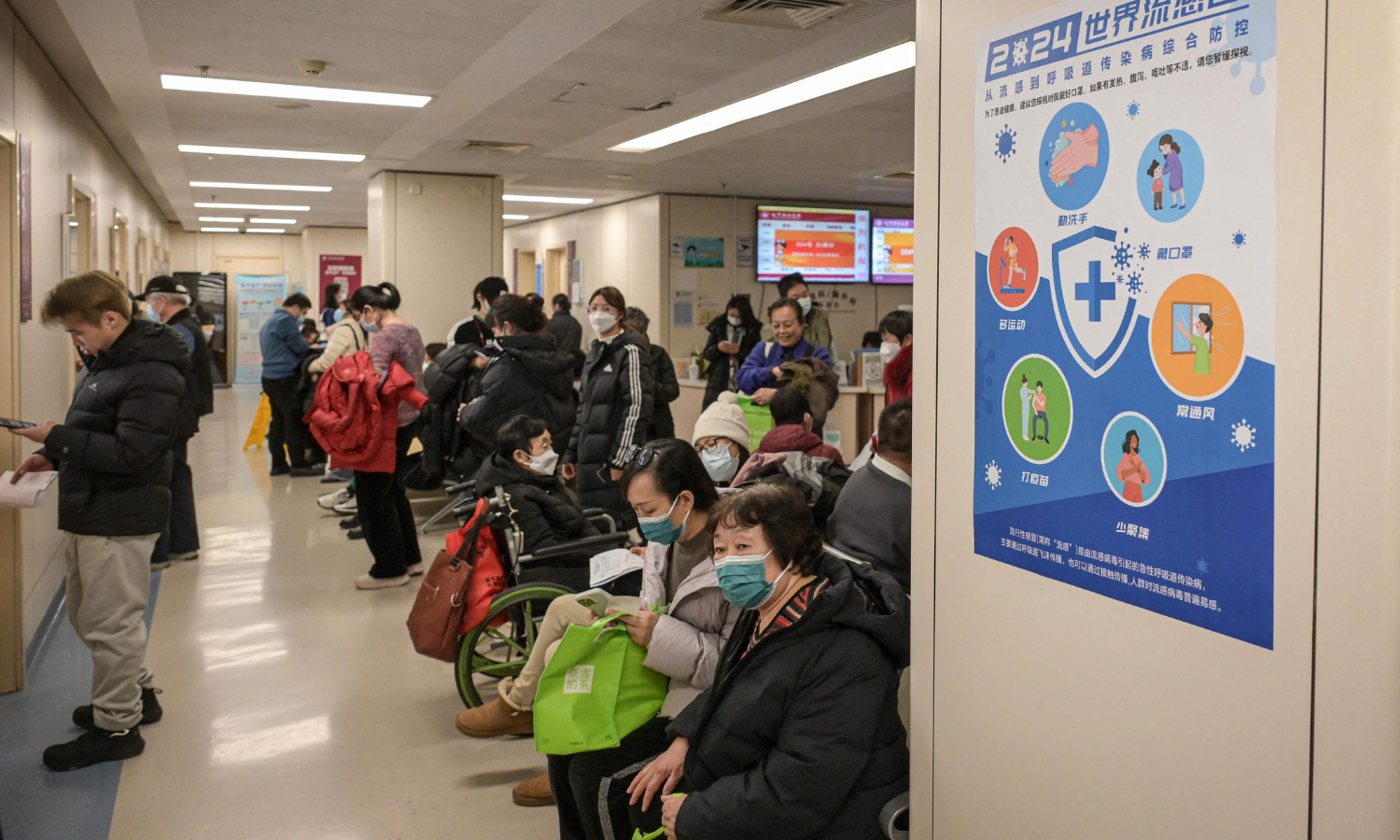
The disinformation campaign, largely originating from social media accounts with an Indian focus before spreading to other regions like Africa, Indonesia, and Japan, has exploited pre-existing anxieties and distrust stemming from the COVID-19 pandemic. Many posts falsely claimed widespread deaths, national emergencies in China, and a resurgence of draconian lockdowns. Some even recycled old footage from the COVID-19 pandemic, depicting crowded hospitals and medical personnel in hazmat suits, to create a false sense of crisis.
Experts warn that this surge of misinformation not only fuels xenophobia and stigmatizes entire communities but also poses a serious threat to public health. By eroding public trust in health authorities and scientific information, such disinformation campaigns could severely hamper the response to future pandemics. The spread of fear and mistrust makes it increasingly difficult for credible information to penetrate the noise, hindering efforts to educate the public and implement effective health measures.
The World Health Organization (WHO) has confirmed that the current HMPV outbreak in China is "within the expected range" for the season. HMPV, a well-known pathogen, has circulated for decades and typically causes mild upper respiratory tract infections. Despite this, some mainstream media outlets have published sensationalized "clickbait" headlines, describing HMPV as a "mystery illness" overwhelming the Chinese healthcare system, further amplifying the misinformation.
This deliberate manipulation of information has fueled anti-China sentiment, particularly in Southeast Asia. Some social media users have even called for travel bans on Chinese nationals, echoing the discriminatory responses seen during the early stages of the COVID-19 pandemic. The spread of such harmful narratives highlights the dangers of misinformation and its potential to exacerbate existing prejudices and societal divisions.
Researchers emphasize the importance of critical thinking and media literacy in combating the spread of disinformation. They urge the public to rely on credible sources of information, such as public health organizations and scientific experts, and to exercise caution when encountering sensationalized claims or unverified information on social media. The current HMPV misinformation campaign serves as a stark reminder of the urgent need to address the pervasive issue of disinformation and its potential to undermine public health and global security.
Furthermore, the tactics employed in this disinformation campaign reveal a disturbing pattern of exploiting public anxieties and mistrust for political or ideological gain. By associating HMPV with China and suggesting malicious intent, some actors aim to further their anti-China agendas and sow discord. The deliberate manipulation of images, videos, and narratives demonstrates a sophisticated understanding of online information ecosystems and the vulnerabilities they present.
The rapid spread of HMPV misinformation underscores the challenges of countering disinformation in the digital age. The viral nature of social media platforms allows false narratives to quickly gain traction and reach a vast audience, often before fact-checking efforts can effectively debunk them. This highlights the need for more robust mechanisms to identify and address misinformation, as well as the importance of empowering individuals with the skills to critically evaluate the information they encounter online.
The long-term consequences of this disinformation campaign extend beyond the immediate public health concerns. By eroding trust in scientific institutions and fostering a climate of fear and suspicion, such campaigns can undermine the very foundations of informed decision-making and societal cohesion. This underscores the critical need for a multi-faceted approach to combatting disinformation, encompassing media literacy education, fact-checking initiatives, and platform accountability measures.
Ultimately, addressing the challenge of misinformation requires a collective effort involving governments, social media platforms, media organizations, and individuals. By fostering a culture of critical thinking, promoting media literacy, and strengthening mechanisms for accountability, we can create a more resilient information ecosystem and protect ourselves against the harmful effects of disinformation. The HMPV incident serves as a timely reminder of the importance of this ongoing effort and the crucial role we all play in ensuring access to accurate and reliable information. Failing to address this issue will not only leave us vulnerable to future misinformation campaigns but also undermine our ability to respond effectively to legitimate public health crises.