


The Rise of a Sahel Strongman: Ibrahim Traore and the Spread of Pro-Junta Propaganda in West Africa
Ibrahim Traore, the military leader of Burkina Faso, has become an unlikely hero for some in neighboring Nigeria. Despite never setting foot in the country, his image – carefully crafted and disseminated through social media – has resonated with Nigerians grappling with economic hardship and disillusionment with traditional politics. This manufactured image of Traore as a fearless reformer, defying Western influence and championing his nation’s sovereignty, has taken root, fueled by a deluge of viral videos, memes, and social media posts, many of which are misleading or entirely fabricated. This wave of pro-Traore sentiment highlights the increasing potency of coordinated propaganda campaigns in West Africa, raising concerns about regional stability, democratic backsliding, and foreign interference.
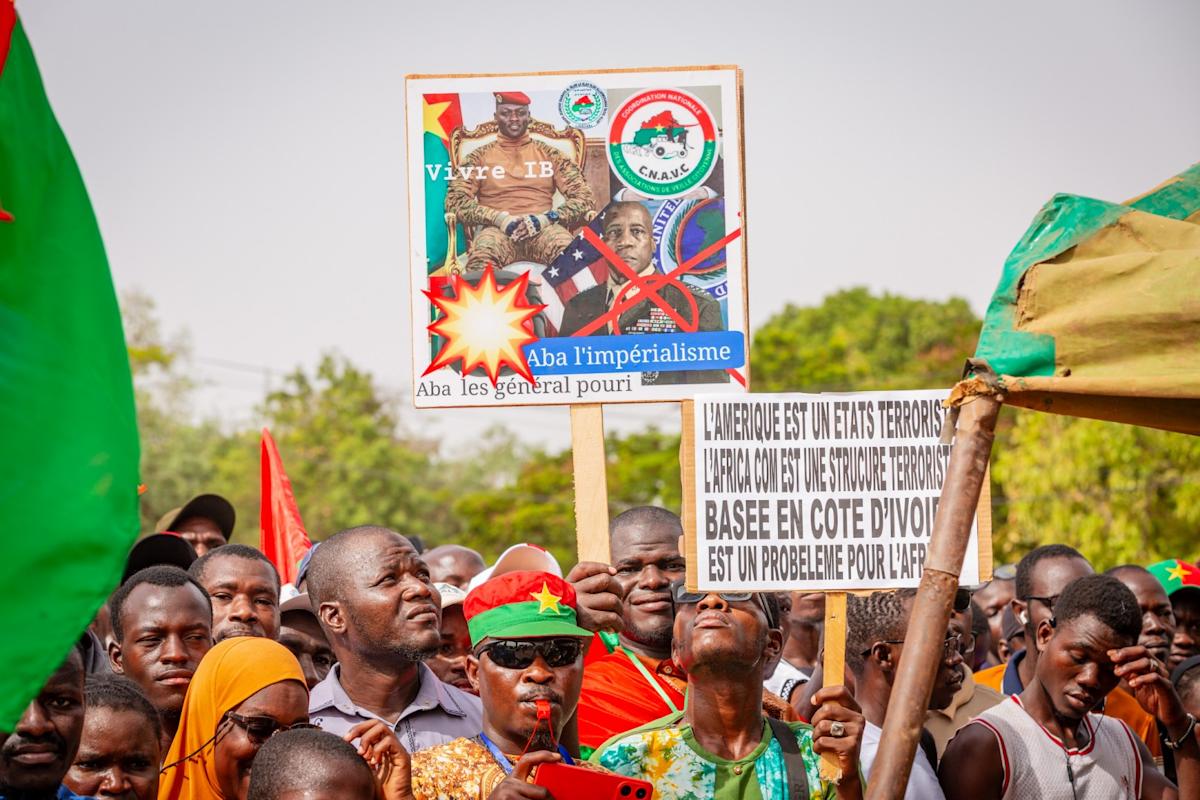
Traore’s ascent to power followed a September 2022 coup d’état, amidst rising anti-French sentiment in the Sahel region. His regime has forged alliances with similar military juntas in Mali and Niger, both former French colonies that have pivoted towards Moscow. This shift in geopolitical allegiances has further fueled the narrative of Traore as a leader breaking free from Western influence, a message that finds fertile ground among some West Africans weary of perceived neocolonialism. The recent formation of the Alliance of Sahel States, comprising Burkina Faso, Mali, and Niger, solidifies this bloc’s challenge to the existing geopolitical order and underscores Traore’s growing influence in the region.
While critics condemn Traore’s government for suppressing freedom of expression and dissent, a contrasting narrative flourishes online, portraying him as a transformational figure. This dichotomy underlines the power of carefully orchestrated information campaigns to shape public perception. The pro-Traore narrative portrays him as a decisive leader bringing much-needed change, a message that resonates particularly strongly with Nigerians struggling under the weight of a severe cost-of-living crisis exacerbated by recent economic reforms. The portrayal of Traore as successfully transforming Burkina Faso into an economic powerhouse, despite evidence to the contrary, further fuels this sentiment.
Experts warn that this growing admiration for Traore represents a significant threat to Nigeria’s national security and democratic stability. By normalizing military intervention as a legitimate political solution, it creates a dangerous precedent and opens the door to further instability and potential foreign influence. Analysts point to a sophisticated Russian propaganda strategy at play, utilizing social media to manipulate public opinion, bolster the image of military regimes, and present Russia as a more respectful partner compared to Western powers. This strategy exploits existing grievances and anxieties, providing a ready-made narrative that resonates with those seeking alternative solutions to their countries’ challenges.
Evidence of this coordinated disinformation campaign is mounting. Fact-checking organizations have debunked numerous claims circulating online, including videos falsely attributed to Burkina Faso showcasing development projects actually located in Algeria. Similar instances of fabricated content promoting Traore and other Sahelian military leaders have been identified across Francophone Africa. These campaigns often rely on emotionally charged narratives, bypassing critical thinking and appealing to a sense of national pride and pan-African solidarity. The increasing visibility of Russian flags at pro-junta rallies in the region further suggests a connection between these movements and Russian influence operations.
The reality on the ground in Burkina Faso starkly contrasts with the idyllic image presented online. The country is embroiled in a spiraling cycle of violence, exacerbated by the spillover effects of conflicts in neighboring Mali and Niger. Jihadist groups linked to Al-Qaeda and the Islamic State have wreaked havoc in Burkina Faso for years, claiming tens of thousands of lives and displacing countless others. The country now holds the grim distinction of being the most impacted by terrorism globally, according to the Global Terrorism Index. Meanwhile, freedom of expression is under attack, with journalists and other dissenting voices routinely silenced, detained, or even kidnapped under the guise of combating terrorism. This stark reality underscores the dangerous disconnect between the online narrative and the lived experience of Burkina Faso’s citizens.