






An alarming wave of digital disinformation has swept across Australian social media, falsely claiming that beloved entertainment icons John Farnham and Kylie Minogue have threatened to leave the country permanently if One Nation leader Pauline Hanson were ever elected as Prime Minister. The claims, which have been widely circulated across multiple platforms including Facebook and X (formerly Twitter), have been thoroughly investigated by the country’s foremost fact-checking body, AAP FactCheck, which has categorically declared them false. The organization confirmed there is absolutely no public record, credible interview, or official statement from either artist indicating they have made such declarations about the divisive political figure. Instead, the misinformation appears to be the product of deliberate fabrication, utilizing fabricated quotes and sophisticated artificial intelligence-generated imagery to create a convincing but entirely fraudulent narrative aimed at manipulating public perception and stoking political division during a highly charged period in Australian political discourse.
The specific mechanics of this disinformation campaign reveal a troubling network of coordinated activity. The primary vehicle for spreading the fabricated Farnham quote was a Facebook account operating under the name “Life in Australia,” which published a graphic featuring an image of Pauline Hanson alongside a quote attributed to Farnham stating, “IF SHE IS PM, I WON’T BE LIVING IN AUSTRALIA.” The post was accompanied by commentary suggesting that because Farnham had previously supported the ‘yes’ campaign in the 2023 Indigenous Voice to Parliament referendum, his opinions might not matter to many Australians. However, what makes this particularly suspicious is that Facebook’s transparency details reveal the account is managed by users located in Sri Lanka, the United Kingdom, and the United States, not in Australia. This geographical discrepancy strongly suggests the content may be part of foreign-influenced operations designed to sow discord within Australian politics, leveraging the cultural significance of Farnham—whose iconic anthem “You’re the Voice” has become synonymous with Australian pride and social activism—to lend false credibility to the narrative.
Investigating the origin of the quote used in the fake Farnham graphic reveals a classic case of quote misattribution that has been weaponized by social media users. The statement, “If she is PM, I won’t be living in Australia,” was actually made by Australian chef and restaurateur Neil Perry during an interview with Empact News on June 11, specifically at the one minute and twenty-eight seconds mark of the conversation. Perry, who is known for his outspoken views on various social and political issues, made the comment in a distinct political context that had absolutely nothing to do with John Farnham. Yet, within days of Perry’s interview being published, disinformation operatives stripped the quote from its original context and attached it to Farnham’s likeness, pairing it with manipulated visuals to create a convincing but entirely fabricated social media post. This technique of quote-stripping is a documented tactic used by malicious actors to lend false legitimacy to political smear campaigns, and the Farnham version demonstrates a clear pattern of using real, verifiable statements from one individual and falsely attributing them to another, more high-profile celebrity to generate outrage and engagement.
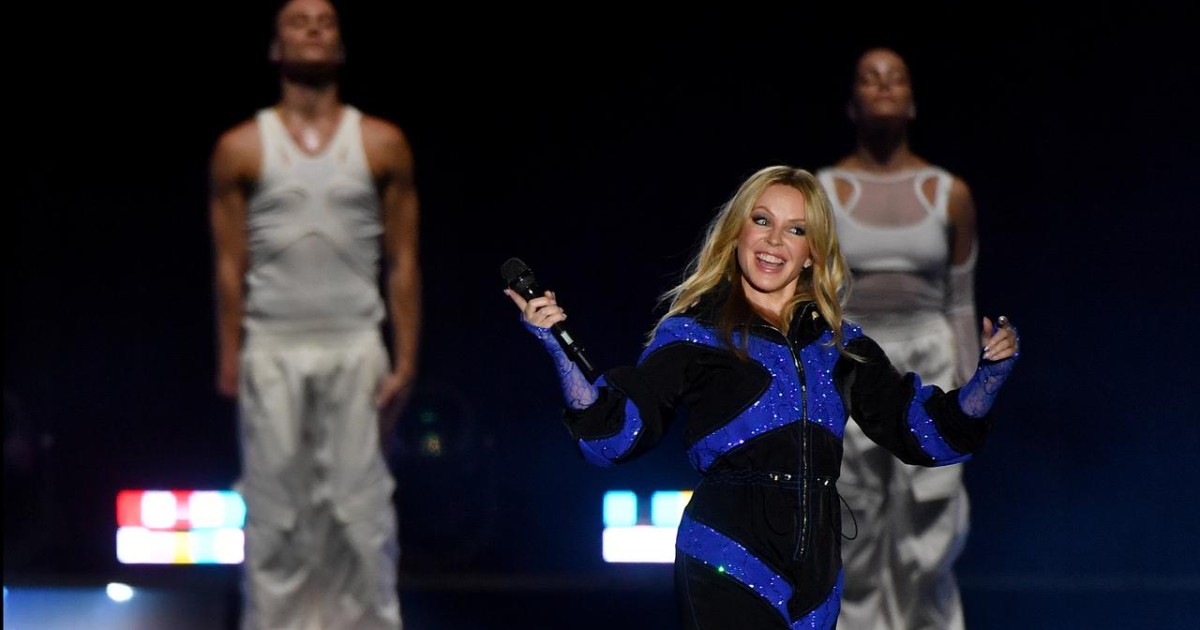
The disinformation campaign did not stop with Farnham; it quickly expanded to target the globally renowned pop superstar Kylie Minogue. A separate graphic circulated on Facebook attributing the identical fake statement to Minogue, and this version was subsequently shared on X (formerly Twitter), where it garnered more than 20,000 views. The X user who propagated the Minogue version escalated the deception further by adding an unsubstantiated claim that the singer had supposedly “expressed her absolute disgust in Pauline Hanson.” This added layer of fabricated emotional response is a typical strategy in disinformation campaigns to amplify the perceived authenticity of the quote, as well as to increase its viral potential by appealing to the strong partisan feelings of viewers. Once again, AAP FactCheck’s investigation confirmed that Minogue has never made any public comments regarding Pauline Hanson or any hypothetical scenario involving her becoming prime minister, and there are zero credible news reports or verified social media posts from Minogue to support such a claim. The rapid spread of this Minogue variant demonstrates the efficiency with which misinformation can mutate and cross-platform when it targets a celebrity with massive international appeal.
The broader context of this disinformation operation reveals a calculated attempt to manipulate Australian public opinion during a politically sensitive period. The fabricated quote about Farnham specifically references his support for the ‘yes’ campaign in the 2023 Indigenous Voice to Parliament referendum, indicating the disinformation authors are deliberately weaving current political events into their narratives to maximize emotional resonance. Farnham’s decision to allow his iconic song “You’re the Voice” to be used in the ‘yes’ campaign made him a visible target for political opponents, and the false quote seeks to alienate him from his fanbase by creating a fictional rift with his previously stated political positions. Similarly, the targeting of Minogue, who is one of Australia’s most successful and internationally respected music exports, aims to exploit nationalist sentiments. The posts attempt to frame a hypothetical Pauline Hanson prime ministership as so catastrophic that even beloved cultural icons would flee the country, thereby amplifying fear and division among voters ahead of upcoming elections)Skip to content.
The prevalence of this specific type of fake celebrity quote underscores the growing challenge of AI-generated content, particularly in the realm of political propaganda. The graphics accompanying the false claims utilize artificial intelligence to create realistic-looking images of Farnham and Minogue that are nearly indistinguishable from authentic photographs to the untrained eye. The rapid advancement of AI image generation technology has made it remarkably easy for malicious actors to create convincing but completely fabricated visuals that lend a veneer of authenticity to outright lies. Furthermore, the fact that these posts are being managed from Sri Lanka, the UK, and the US highlights the global nature of this disinformation ecosystem, where actors from outside Australia can target the country’s electoral and social processes with little difficulty. The inflammatory language used in comments attached to these posts—such as “you can fk off back to where you came from”—reveals the toxic intent behind this content, which seeks not just to spread false information but to incite hostility and division within the Australian community, potentially influencing political discourse and voter attitudes ahead of upcoming national events.
The response from AAP FactCheck serves as a critical reminder of the vital importance of rigorous journalistic verification in the age of AI-generated content and rapidly spreading online misinformation. As an accredited member of the International Fact-Checking Network, AAP FactCheck conducted a thorough review of all available evidence, including examining user details, tracing the origins of the quote, and searching for any credible corroboration, before arriving at its definitive “False” verdict. This case highlights a growing global problem where sophisticated disinformation campaigns utilize artificial intelligence tools to create realistic fake imagery, fabricate convincing but entirely fictitious quotes, and exploit the trust that the public places in beloved cultural figures. The use of AI imagery in this particular instance underscores the technology’s potential to erode the very foundations of truth and public discourse, as viewers are increasingly unable to distinguish between genuine celebrity statements and manipulated digital creations. The success of these posts—demonstrated by their widespread sharing and the tens of thousands of views they attracted—reveals a concerning vulnerability in the Australian information ecosystem, where emotional reactions to political figures like Pauline Hanson often overshadow critical evaluation of the source material.
In conclusion, the viral claims that John Farnham and Kylie Minogue threatened to leave Australia if Pauline Hanson became prime minister are unequivocally and demonstrably false. The fabricated quotes have been definitively traced back to an unrelated statement made by chef Neil Perry, and there is a complete absence of any verifiable evidence supporting the allegations against either of the two entertainers. The disinformation originated from dubious Facebook pages managed by individuals outside Australia, indicating a deliberate attempt to interfere in Australian political discourse, potentially from foreign actors with no stake in the country’s democratic processes. This incident serves as yet another stark reminder of the fragility of online information and the urgent need for platforms and users alike to adopt a more vigilant, skeptical approach to content that evokes strong emotional responses. As digital tools continue to evolve, the ability to create hyper-realistic fake images and convincingly impersonate public figures will only improve, making the role of professional fact-checking organizations like AAP FactCheck more indispensable than ever. The public is strongly urged to verify any sensational claims about public figures through credible news sources before sharing them, and to remain aware that the geographic origins of such pages often reveal the influence of foreign actors attempting to manipulate Australian democracy. The fight against misinformation is ongoing, and the proactive engagement of citizens in corroborating information before dissemination is the most powerful defense against the erosion of trust in public institutions and public figures.


