


Cracker Barrel Under Siege: How Disinformation Fueled a $100 Million Stock Drop
The recent social media firestorm surrounding Cracker Barrel, seemingly sparked by public outrage over a perceived rebranding, has been revealed as a sophisticated disinformation campaign orchestrated by fake accounts. A study by Cyabra, a disinformation analysis firm, found that a coordinated network of inauthentic profiles, accounting for 21% of the attacking voices, manufactured and amplified the controversy, leading to a significant 10.5% drop in Cracker Barrel’s stock value, translating to approximately $100 million in losses within days. The incident highlights the growing threat of coordinated online manipulation and its potential to inflict substantial damage on businesses and brands.
The campaign unfolded across various social media platforms, most notably X (formerly Twitter), where these fake profiles strategically deployed inflammatory narratives designed to incite anger and incite boycotts. Cyabra’s research uncovered three primary themes driving the disinformation campaign: the “betrayal of tradition,” calls for boycotts and predictions of financial ruin, and personal attacks on CEO Julie Felss Masino. These narratives, while lacking factual basis, effectively tapped into existing cultural anxieties and exploited them to generate outrage and erode public trust in the company.
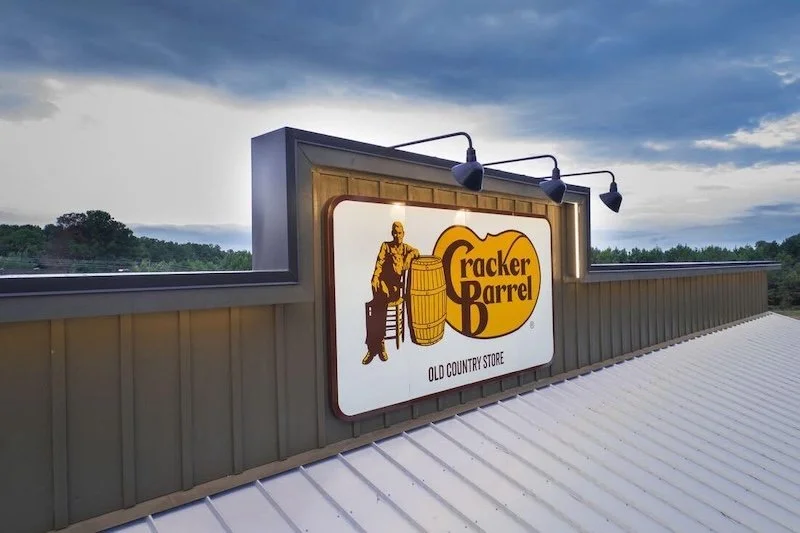
The first narrative, “betrayal of tradition,” framed Cracker Barrel’s supposed rebranding as a rejection of its core customer base and an embrace of “woke” political ideologies. Fake accounts propagated the false claim that the iconic barrel figure was being removed, accusing the company of abandoning its heritage and succumbing to a progressive agenda. This narrative drew parallels with the controversial Bud Light campaign of 2023, leveraging existing public sensitivities to amplify the outrage. The deliberate misrepresentation of Cracker Barrel’s actions fueled a sense of betrayal amongst loyal customers, contributing to the negative sentiment surrounding the brand.
The second prong of the disinformation attack focused on inciting boycotts and spreading predictions of the company’s financial demise. Hashtags like #BoycottCrackerBarrel and #CrackerBarrelHasFallen proliferated, creating a false impression of widespread consumer revolt. Exaggerated claims of imminent financial collapse, restaurant closures, and plummeting stock prices were disseminated, further exacerbating the negative perception of the brand. The campaign successfully created a self-fulfilling prophecy by portraying the boycott as already effective, thus undermining consumer confidence and contributing to the stock decline.
The third line of attack targeted CEO Julie Felss Masino directly. Fake accounts portrayed her as the architect of the brand’s downfall, labeling her a “progressive leftist” out of touch with American culture and Cracker Barrel’s traditional Southern heritage. They questioned her competence and scapegoated her for perceived company issues, including the alleged rebranding and DEI initiatives. These personalized attacks, according to Cyabra, simplified complex corporate decisions into a narrative of individual failure, providing a convenient villain for public anger.
The Cracker Barrel incident serves as a stark reminder of the power of disinformation in the digital age. The ability of a relatively small number of fake accounts to generate millions of views and thousands of engagements underscores the vulnerability of businesses to coordinated online manipulation. The incident highlights the urgent need for robust strategies to identify and counter disinformation campaigns before they can inflict significant reputational and financial damage. The rapid spread of misinformation and its potential to manipulate public opinion necessitates proactive measures from companies and platforms alike to safeguard against such attacks.
As social media continues to play a pivotal role in shaping public discourse and consumer behavior, the need for vigilance against disinformation becomes increasingly critical. The 2025 RTIH Innovation Awards, with its focus on technological innovation in the omnichannel world, will undoubtedly address this crucial issue. The awards celebrate advancements in various areas, including checkout-free stores, automated supply chains, immersive experiences, and green technology. By recognizing and promoting innovative solutions, the RTIH Innovation Awards contribute to the ongoing effort to enhance the online experience and mitigate the risks posed by disinformation campaigns. The Cracker Barrel incident serves as a stark reminder of the importance of these efforts and the need for continued vigilance against the spread of online misinformation.