


Disinformation: A Looming Threat to West African Democracies, EU Envoy Warns
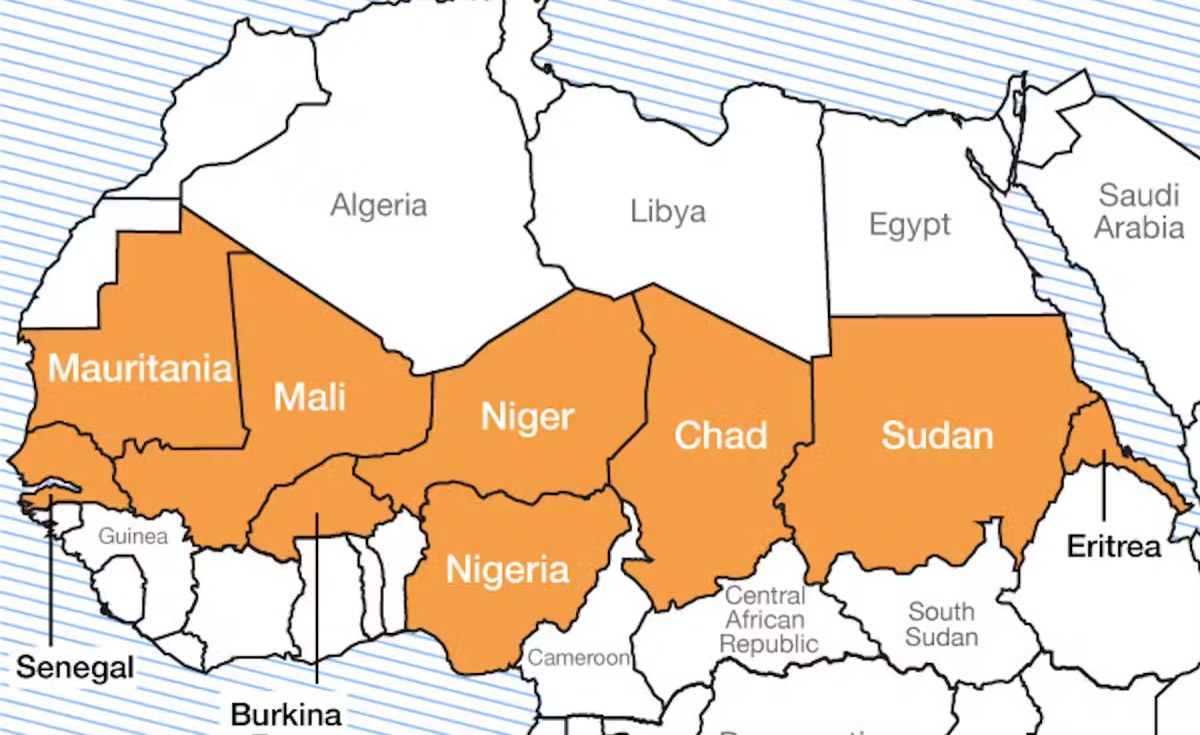
The specter of disinformation, fueled by foreign influence and amplified by social media, hangs heavy over West Africa, threatening to undermine democratic institutions and destabilize the region, a top European Union diplomat warned during a recent visit to Liberia. João Gomes Cravinho, the EU’s Special Representative for the Sahel, stressed the urgent need to combat this growing menace, highlighting its potential to erode public trust and incite conflict. His visit comes at a time of heightened concern over the influx of Russian-backed propaganda emanating from the Sahel, particularly from countries like Burkina Faso, where anti-Western sentiment is actively promoted by military leaders. Cravinho’s warning underscored the trans-border nature of disinformation, emphasizing its potential to destabilize not only the Sahel but also neighboring coastal states like Liberia.
Cravinho’s three-day visit to Monrovia included meetings with high-ranking government officials and civil society leaders, underscoring the EU’s commitment to addressing the multifaceted challenges facing Liberia and the wider region. The EU envoy’s remarks directly addressed the growing influence of military leaders in the Sahel who propagate anti-West narratives, often with the alleged support of Russia. He pointed to the destabilizing effect of such rhetoric, which aims to undermine democratic structures and promote alternative forms of governance. While Cravinho refrained from directly naming Burkina Faso’s military leader, Ibrahim Traoré, the implications were clear. Traoré, and other leaders like him, have increasingly embraced and amplified Russian-backed propaganda, portraying Moscow as a liberator and the West as a fading colonial power.
The proliferation of disinformation, much of it disseminated through social media, represents a significant challenge for countries like Liberia, which share a fragile information environment with their Sahel neighbors. Cravinho noted the particular susceptibility of young audiences to online propaganda, including AI-generated videos that glorify military leaders and their anti-Western ideologies. This manipulative use of technology further complicates efforts to counter disinformation and maintain a healthy democratic discourse. The Special Representative emphasized that the destabilizing effects of disinformation are not confined to the Sahel, but ripple outwards, posing a threat to regional stability and even impacting Europe. This interconnectedness underlines the need for a coordinated international response to address this complex challenge.
The EU has identified disinformation as a key priority in its engagements with West African nations, recognizing the urgent need to bolster the resilience of these countries against malicious information campaigns. Several European governments, including Sweden, Germany, and Ireland, have actively supported media literacy campaigns, fact-checking initiatives, and civic education programs in Liberia. These efforts aim to equip citizens with the critical thinking skills needed to discern truth from falsehood and to resist manipulation. The EU also works to strengthen the capacity of local media, including support for data protection and fact-checking, to ensure a robust and independent media landscape capable of countering disinformation. This multi-pronged approach reflects the EU’s recognition that combating disinformation requires strengthening both citizen resilience and the media ecosystem.
Beyond disinformation, Cravinho’s visit also highlighted other critical issues facing Liberia, including the ongoing drug epidemic, youth unemployment, climate change, and the influx of refugees from neighboring countries. The EU is actively collaborating with the Liberian government to address these challenges, particularly through technical vocational training programs to equip young people with marketable skills. The EU emphasizes the importance of aligning these training programs with the needs of the private sector to ensure their effectiveness in creating employment opportunities. Addressing the root causes of instability, including economic hardship and climate change, is seen as crucial to strengthening Liberia’s resilience against disinformation and other destabilizing influences.
The EU’s engagement with Liberia extends to supporting the country’s role in regional security, particularly in light of its upcoming two-year term on the United Nations Security Council, beginning in 2026. Cravinho emphasized the importance of close collaboration with Liberia to address the crisis in the Sahel, highlighting the potential for instability in the region to have far-reaching consequences, including for Europe. He underscored the need for a collective approach to stabilizing the Sahel, recognizing that the security of West Africa and Europe are intertwined. Cravinho’s visit, marked by frank discussions and a commitment to continued partnership, underscores the EU’s recognition of the complex and interconnected challenges facing Liberia and the wider West African region.