


The Complex Relationship Between Adolescent Mental Health and Digital Media Use: A Comprehensive Overview
The mental health of young people is a critical public health concern. Depression, in particular, is a significant issue impacting adolescents globally. While numerous factors contribute to the development of depression in young people, the role of digital media use has become a subject of intense scrutiny and ongoing research. Understanding the intricate interplay between digital media consumption and adolescent mental well-being is crucial for developing effective preventive measures and interventions.
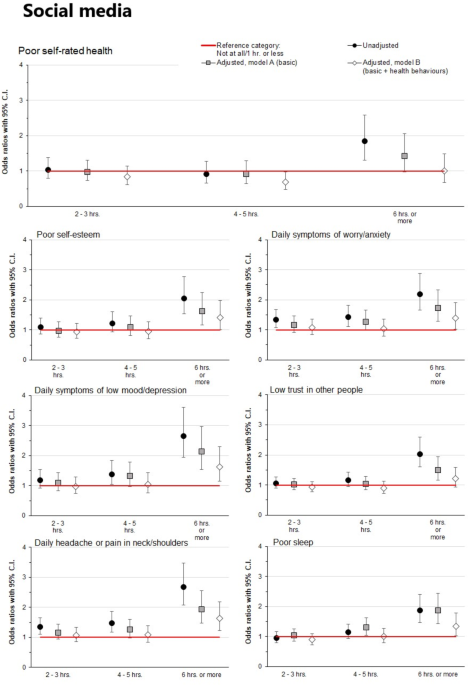
Numerous studies have explored the link between digital media use and mental health outcomes in adolescents. Research indicates a correlation between excessive screen time and an increased risk of depression, anxiety, and other internalizing problems. The relationship appears to be dose-dependent, with higher levels of screen time associated with greater mental health risks. Furthermore, the type of media engagement matters. Passive screen time, such as watching videos or scrolling through social media feeds, is more strongly linked to negative mental health outcomes compared to interactive or educational screen activities.
Social media, a ubiquitous aspect of modern adolescence, presents a particularly complex challenge. While social media platforms can offer opportunities for connection and social support, they can also contribute to feelings of inadequacy, social comparison, cyberbullying, and body image concerns, all of which can negatively impact mental well-being. Studies have found associations between social media use and depression, anxiety, sleep disturbances, and body dissatisfaction in young people. The impact of fitspiration and other idealized online content on body image is a growing concern, particularly among adolescent girls.
The mechanisms by which digital media use might influence mental health are multifaceted. Excessive screen time can displace sleep, physical activity, and face-to-face social interactions, all of which are crucial for maintaining good mental health. Sleep disruption, often caused by late-night media use, is strongly linked to depression and other mental health issues. Reduced physical activity, a consequence of sedentary screen time, is another contributing factor. Furthermore, the constant exposure to curated online personas and unrealistic portrayals of life can contribute to social comparison, feelings of inadequacy, and a distorted sense of self.
However, it’s crucial to acknowledge that the relationship between digital media and mental health is not straightforward. Some research suggests that moderate media use might not be harmful, and could even have beneficial effects, particularly when used for educational purposes, creative expression, or maintaining social connections. Furthermore, many studies are correlational, making it difficult to establish causality. It is possible that pre-existing mental health vulnerabilities might lead to increased digital media use, rather than the other way around. Longitudinal studies are essential for disentangling the complex interplay of these factors.
Furthermore, various factors can moderate the relationship between digital media use and mental health. Individual characteristics, such as personality traits, coping mechanisms, and pre-existing mental health conditions, play a significant role. Social and environmental factors, including family dynamics, peer influences, and socioeconomic status, also contribute to the complex interplay. It’s essential to consider these contextual factors when examining the impact of digital media on adolescent mental health.
The research on the relationship between digital media use and adolescent mental health is still evolving. Further investigation is cần thiết to understand the complex interplay of these factors, including longitudinal studies that examine the direction of causality and explore the mediating and moderating variables that influence this relationship. This research will inform the development of effective interventions and preventative measures aimed at promoting the mental well-being of young people in the digital age. Public health initiatives should focus on educating young people about healthy media habits, promoting media literacy, and encouraging healthy offline activities, such as physical activity, face-to-face social interactions, and adequate sleep. Collaboration between researchers, policymakers, educators, parents, and young people themselves is crucial for navigating the challenges and opportunities presented by digital media and fostering a healthy digital environment for adolescents. This comprehensive approach will help empower young people to make informed choices about their digital media consumption and prioritize their mental health and well-being.