


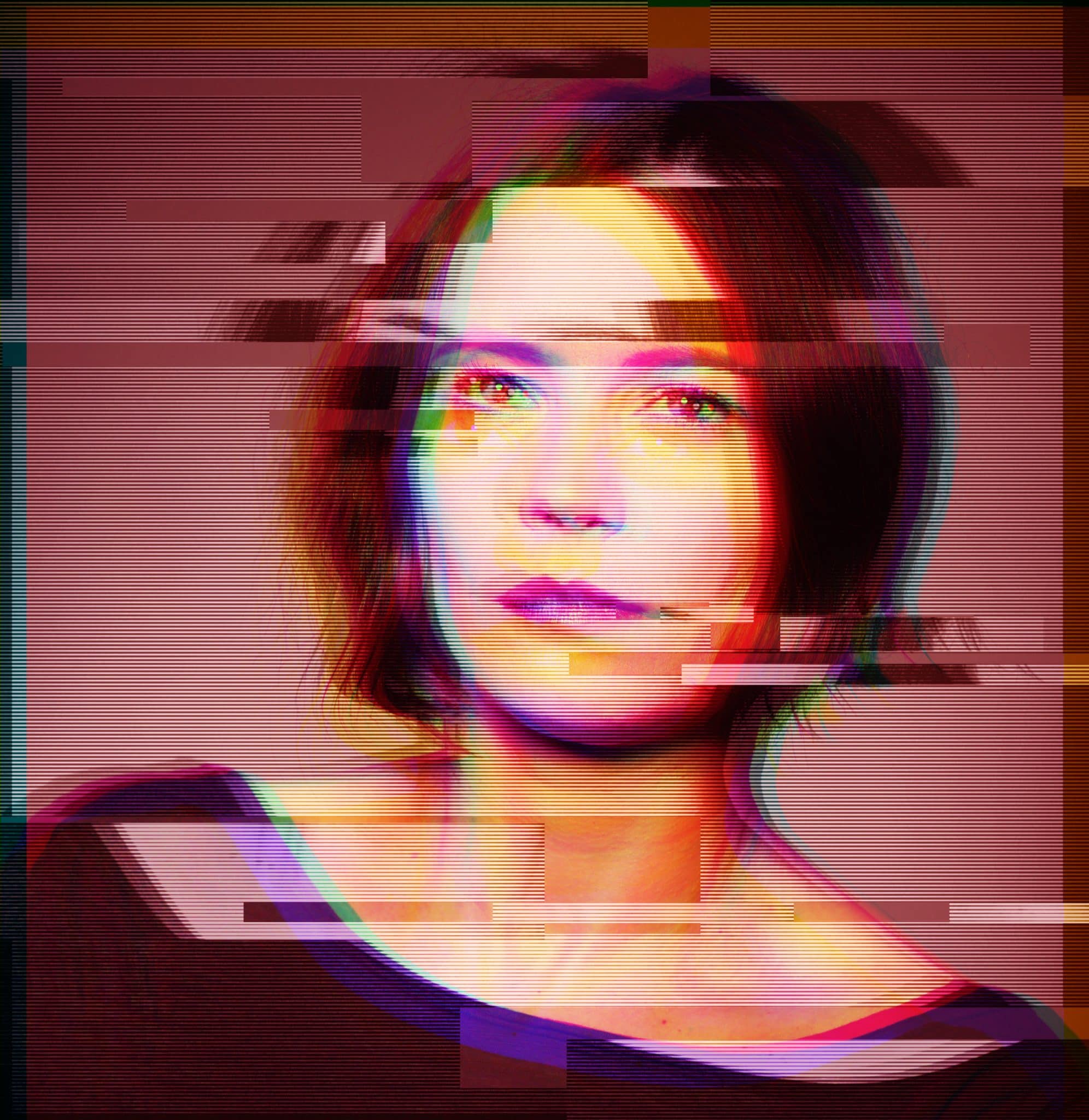
The Looming Threat of AI Slop: Navigating a World Blurred by Synthetic Media
The digital age has ushered in unprecedented advancements in artificial intelligence, particularly in the realm of generative AI. This technology, capable of producing realistic images, videos, and text, has given rise to a phenomenon known as “AI slop.” This term, likely to gain wider recognition, describes the inundation of online spaces with AI-generated content, blurring the lines between reality and fabrication. This proliferation of synthetic media poses a significant challenge to our ability to discern truth from falsehood and fuels a dangerous trend known as “The Liar’s Dividend.”
The Liar’s Dividend, a concept articulated by legal scholars Bobby Chesney and Danielle Citron, refers to the advantage gained by those who propagate misinformation in an environment saturated with fabricated content. As AI-generated media becomes more sophisticated, it becomes increasingly easier for malicious actors to sow doubt about the authenticity of genuine information. This tactic allows them to dismiss inconvenient truths as “fake news” or deepfakes, effectively evading accountability and undermining public trust.
Deepfakes, a particularly potent form of synthetic media, leverage AI to create hyperrealistic videos, audio, and images that mimic real people or locations. These fabricated media can be readily deployed for nefarious purposes, including impersonating executives for financial fraud, mimicking family members for scams, spreading disinformation to manipulate public opinion, and discrediting legitimate information by falsely labeling it as “deepfaked.” The accessibility of deepfake technology, with tools available for as little as $20 or even for free through open-source software, amplifies the potential for widespread misuse.
Recent incidents highlight the growing threat posed by deepfakes and the Liar’s Dividend. A British engineering firm fell victim to a $25 million fraud scheme involving a deepfake video impersonating the company’s CFO. High-ranking government officials, including US Secretary of State Marco Rubio and White House Chief of Staff Susie Wiles, were targeted with sophisticated voice deepfakes designed to impersonate them and contact other government figures. Internationally, synthetic media has been used to attribute false statements to political leaders in various countries, including the UK, US, Turkey, Argentina, and Taiwan. These events underscore the urgent need for improved deepfake detection tools and more stringent authentication protocols, particularly within government and sensitive organizations.
The impact of deepfakes extends beyond targeted attacks on individuals and organizations. Deepfake fraud attempts have surged by 3,000% in recent years, with incidents becoming increasingly sophisticated. Political deepfakes have been used for election manipulation and character assassination, while celebrities and ordinary citizens have been targeted for scams, sexual exploitation, and reputational damage. Businesses face substantial financial losses due to deepfake-related fraud, with estimates projecting losses of up to $40 billion by 2027. Alarmingly, many organizations lack adequate training to identify and address deepfake attacks, leaving them vulnerable to exploitation.
The rapid evolution of deepfake technology presents a significant challenge for the cybersecurity industry. While AI advancements are empowering defenders with new detection tools, the technology to create synthetic media is advancing at a similar pace, making it difficult for defensive measures to keep up. Malicious actors can exploit this technological arms race to deny legitimate digital evidence and undermine trust in authentic information. This can manifest in various forms, from fake corporate announcements causing financial market volatility to deepfake job applicants infiltrating sensitive roles for espionage.
Combating the intertwined threats of the Liar’s Dividend and deepfakes requires a multi-pronged approach. Technological solutions are crucial, but equally important is mitigating the human risk through awareness and education. Individuals and organizations must adopt a zero-trust mindset towards all unexpected or urgent communications, verifying information through trusted secondary channels. Educating oneself and others on how to identify deepfakes, recognizing telltale signs such as unnatural facial movements or mismatched audio/video quality, is essential. Protecting personal information online and strengthening privacy settings can limit the material available for creating deepfakes. Promoting critical thinking and skepticism, especially with emotionally charged content, can help individuals avoid reflexive reactions to potentially manipulated media. Encouraging reporting of suspicious videos or messages can also help identify and address deepfake threats. By combining technological safeguards with enhanced awareness and education, we can begin to defend truth in the age of digital deception.