


Close Menu
DISADISA
  • Home
  • News
  • Social Media
  • Disinformation
  • Fake Information
  • Social Media Impact
Trending Now

Meta’s $16.68 Billion Settlement Establishes a Major Precedent for Accountability Regarding Social Media’s Impact on Minors.

August 27, 2026

Lincoln Families Respond to Meta’s New Restrictions on Adolescent Social Media Use.

August 27, 2026

Judge Expresses Concern Over Misinformation in RealPage Litigation.

August 27, 2026
Facebook X (Twitter) Instagram
Facebook X (Twitter) Instagram YouTube
DISADISA
Newsletter
  • Home
  • News
  • Social Media
  • Disinformation
  • Fake Information
  • Social Media Impact
DISADISA
Home»News»Debunking Misinformation Surrounding the August 6th Crash
News

Debunking Misinformation Surrounding the August 6th Crash

Press RoomBy Press RoomAugust 7, 2025No Comments
Facebook Twitter Pinterest LinkedIn Tumblr Email

Ghana Helicopter Crash Tragedy: Misinformation Spreads Amidst Grief

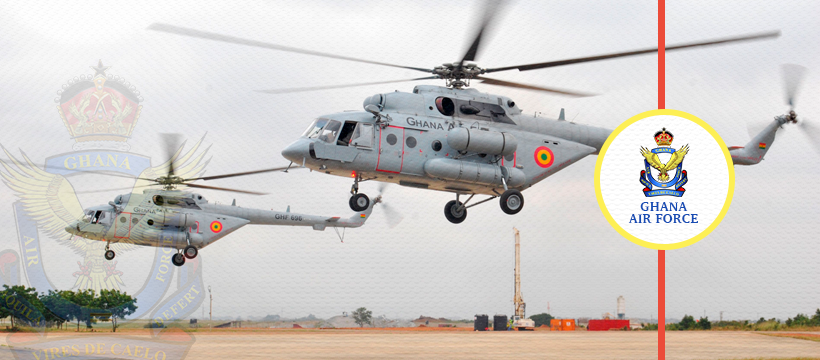
On August 6, 2025, tragedy struck Ghana as a helicopter crash in the Ashanti Region claimed the lives of eight individuals, including two prominent cabinet ministers. The nation mourned the loss of Defence Minister Dr. Edward Omane Boamah, Environment Minister Dr. Ibrahim Murtala Mohammed, Acting Deputy National Security Coordinator Muniru Mohammed, former MP Samuel Aboagye, NDC Vice Chairman Samuel Sarpong, and three crew members: Squadron Leader Peter Bafemi Anala, Flying Officer Mane-Twum Ampadu, and Sergeant Ernest Addo Mensah. As news of the devastating incident spread, a wave of misinformation, fueled by inaccurate images and videos circulating on social media and even reputable news platforms, added another layer of complexity to the unfolding tragedy. This highlighted the pervasive challenge of misinformation in the digital age and the urgent need for responsible reporting and verification.

The rapid dissemination of information in the digital age, while beneficial in many ways, also presents a significant challenge – the spread of misinformation. In the aftermath of the helicopter crash, various media outlets, in their rush to report on the tragedy, inadvertently shared inaccurate images and videos, misrepresenting the scene and adding to the confusion and distress surrounding the event. Citi FM, GhOne TV, Starr FM, and Sika Official, among others, shared an image purportedly from the crash site, which was later debunked by GhanaFact as being from a previous helicopter crash in India. This incident underscored the importance of thorough fact-checking and the responsibility of media organizations to verify information before disseminating it to the public.

The spread of misinformation was not limited to traditional media outlets. Social media platforms, with their vast reach and rapid information sharing capabilities, also played a significant role in disseminating inaccurate content. An X (formerly Twitter) account, Independent Africa, shared a video purportedly from the crash site, which was later traced back to a 2024 helicopter crash in Ghana. This incident highlighted the ease with which outdated or unrelated content can be re-contextualized and presented as current news, particularly during times of heightened public interest and emotional vulnerability. It emphasized the need for critical thinking and media literacy among social media users.

The misinformation surrounding the crash extended beyond simply sharing inaccurate images and videos. A particularly concerning instance involved an image of a crashed helicopter being sprayed with foam, circulated on Facebook and even used by some international websites. This image was later confirmed by GhanaFact to be from a separate incident in 2024. This misrepresentation not only distorted the facts surrounding the current tragedy but also demonstrated how easily old content can be resurrected and misrepresented as new. It served as a stark reminder of the need for users to be vigilant about the sources of information they encounter online.

Adding another layer of complexity to the misinformation landscape was the phenomenon of AI hallucination. In this case, a reverse image search of the aforementioned foam-covered helicopter image on Google yielded false information, linking it to the August 6 crash. This highlights a concerning aspect of AI technology – its potential to generate and perpetuate misinformation. As AI becomes increasingly integrated into information retrieval systems, the risk of encountering AI-generated hallucinations and inaccurate information becomes more significant. This underscores the critical need for ongoing development and refinement of AI algorithms to mitigate the risks of misinformation and ensure the accuracy of information provided by these systems.

The misinformation surrounding the Ghana helicopter crash tragedy serves as a stark reminder of the challenges posed by the rapid dissemination of information in the digital age. It highlights the crucial role of fact-checking organizations like GhanaFact in debunking false claims and ensuring accurate information reaches the public. Furthermore, it underscores the responsibility of both traditional media outlets and social media users to be critical consumers of information, verify sources, and avoid contributing to the spread of misinformation, especially during times of national tragedy. The incident also brings to light the potential dangers of AI hallucination, highlighting the need for continued development and refinement of AI technology to mitigate its potential for misinformation. In a world increasingly reliant on digital information, media literacy and responsible reporting are paramount to navigating the complex landscape of truth and misinformation.

Share. Facebook Twitter Pinterest LinkedIn WhatsApp Reddit Tumblr Email

Read More

Judge Expresses Concern Over Misinformation in RealPage Litigation.

August 27, 2026

Senator Padilla Probes Kalshi and Polymarket Regarding Election-Related Influencer Content.

August 27, 2026

Here are a few options for a formal title, each with a slightly different nuance.

Option 1 (Most Direct and Standard)

Call for Papers: JMIR Metascience and Research Integrity Seeks Submissions on Misinformation in Scientific Publishing

Option 2 (More Formal and Announcement-Style)

Announcement: Call for Submissions on Misinformation in Publishing for the New JMIR Journal of Metascience and Research Integrity

Option 3 (Emphasizing the Journal’s Mission)

JMIR Metascience and Research Integrity Issues Call for Papers on Misinformation in Scholarly Publishing

Option 4 (Concise and Professional)

Call for Papers: Addressing Misinformation in Scientific Publishing in JMIR Metascience and Research Integrity

I recommend Option 1 for its clarity and directness, aligning with standard academic publishing conventions.

August 26, 2026
Add A Comment
Leave A Reply Cancel Reply

Our Picks

Lincoln Families Respond to Meta’s New Restrictions on Adolescent Social Media Use.

August 27, 2026

Judge Expresses Concern Over Misinformation in RealPage Litigation.

August 27, 2026

Senator Padilla Probes Kalshi and Polymarket Regarding Election-Related Influencer Content.

August 27, 2026

Here are a few rewritten versions of the headline in a formal tone:

  1. Florida Declines $17 Billion Settlement with Meta Regarding Child Safety on Social Media

  2. State of Florida Rejects $17 Billion Meta Settlement Over Minors’ Social Media Use

  3. Florida Authorities Turn Down $17 Billion Meta Agreement Citing Concerns for Youth Welfare

  4. Florida Refuses Proposed $17 Billion Meta Settlement Addressing Impact on Children

  5. Florida Rejects $17 Billion Meta Settlement in Children’s Online Safety Case

August 26, 2026
Stay In Touch
  • Facebook
  • Twitter
  • Pinterest
  • Instagram
  • YouTube
  • Vimeo

Don't Miss

News

Here are a few options for a formal title, each with a slightly different nuance.

Option 1 (Most Direct and Standard)

Call for Papers: JMIR Metascience and Research Integrity Seeks Submissions on Misinformation in Scientific Publishing

Option 2 (More Formal and Announcement-Style)

Announcement: Call for Submissions on Misinformation in Publishing for the New JMIR Journal of Metascience and Research Integrity

Option 3 (Emphasizing the Journal’s Mission)

JMIR Metascience and Research Integrity Issues Call for Papers on Misinformation in Scholarly Publishing

Option 4 (Concise and Professional)

Call for Papers: Addressing Misinformation in Scientific Publishing in JMIR Metascience and Research Integrity

I recommend Option 1 for its clarity and directness, aligning with standard academic publishing conventions.

By Press RoomAugust 26, 20260

JMIR Metascience and Research Integrity Launches New Section to Combat Misinformation in Scholarly Publishing Toronto,…

Here are a few options with a formal tone:

Option 1 (direct and concise) The Osun 2026 Election: AI and the Weaponization of Doubt in Nigeria’s Information Landscape

Option 2 (more academic) Artificial Intelligence and Electoral Integrity: Examining the Weaponization of Doubt in Nigeria’s 2026 Osun State Election

Option 3 (journalistic and formal) The Role of Artificial Intelligence in the Weaponization of Doubt: Insights from Nigeria’s 2026 Osun Election

Option 4 (shorter, more precise) Artificial Intelligence and the Weaponization of Doubt in the Osun 2026 Election

August 26, 2026

Two-Day Conference at Sciences Po Examines Artificial Intelligence’s Influence on Democratic Institutions and Public Discourse


Alternatively:

Sciences Po Hosts Two-Day Symposium on the Implications of Artificial Intelligence for Democracy and the Public Sphere

August 26, 2026

Pre-Election Disinformation Campaign Directed at Chris Hipkins

August 26, 2026
DISA
Facebook X (Twitter) Instagram Pinterest
  • Home
  • Privacy Policy
  • Terms of use
  • Contact
© 2026 DISA. All Rights Reserved.

Type above and press Enter to search. Press Esc to cancel.