





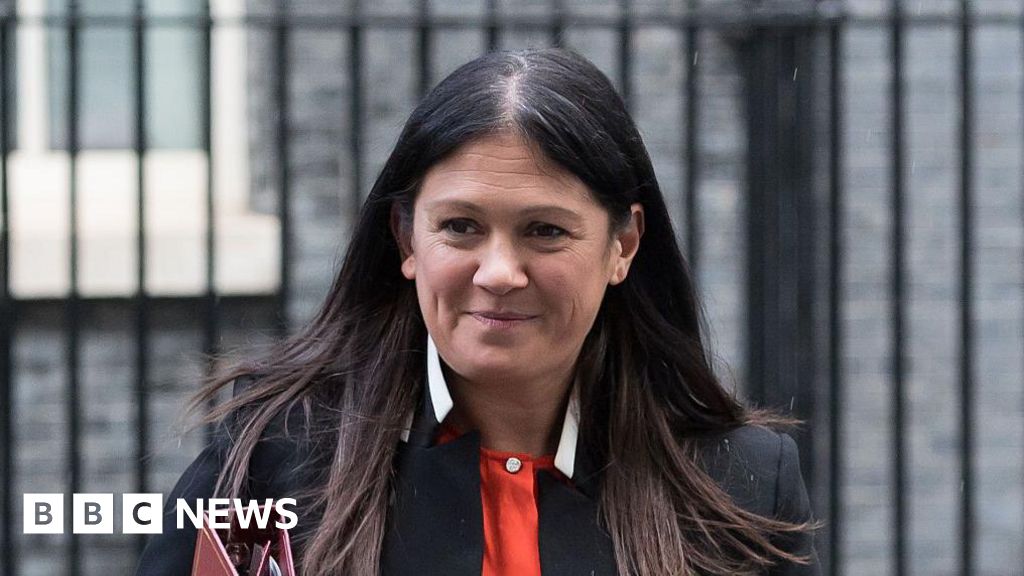
Culture Secretary Lisa Nandy has announced her departure from the social media platform X, formerly known as Twitter, citing concerns over the persistent spread of misinformation and the platform’s changing cultural landscape. The decision marks a significant shift in how senior government officials engage with digital media, reflecting growing anxieties among policymakers regarding the role of algorithm-driven platforms in shaping public discourse. Nandy’s exit serves as a high-profile signal of dissatisfaction with the direction the platform has taken since its acquisition by billionaire Elon Musk.
The move follows a period of mounting tension between political leaders and the infrastructure of X. Nandy, who oversees government strategy on digital policy, has frequently criticized the lack of oversight on the platform, arguing that it has become an environment where bad-faith actors can manipulate narratives without consequence. By deleting her account, she joins a growing list of public figures, NGOs, and corporations who have opted to withdraw from the site, claiming that the platform’s current moderation policies are insufficient to protect users from toxic content.
In her parting statement, the Culture Secretary emphasized that her choice was not merely a personal preference but a matter of professional principle. She pointed to the rise of polarized echo chambers and the speed at which falsehoods gain traction, often destabilizing the democratic process. For Nandy, the platform no longer serves as a reliable space for exchange; instead, she characterized it as a vehicle for amplification of content that undermines objective reality, a problem she believes is exacerbated by structural changes to the site’s verification processes.
Critics of the platform argue that the removal of legacy moderation teams and the prioritization of engagement metrics have fostered a hostile atmosphere. Nandy’s departure underscores the frustration felt by officials who believe that social media companies carry a moral and civic obligation to maintain the integrity of their platforms. This development places further pressure on the UK government to consider whether existing regulations, such as the Online Safety Act, are robust enough to compel platforms to act more responsibly when misinformation threatens public interest.
While some advocates of free speech argue that the migration of officials away from X risks silencing government voices and ceding online space to fringes, Nandy’s camp maintains that staying on the platform is an implicit endorsement of its current failures. By leaving, she is attempting to reclaim the narrative, suggesting that if these spaces are to function effectively, they must be held to higher standards of transparency and accuracy. This move could potentially catalyze a broader reassessment of how government departments manage their digital presence in an era of digital volatility.
Ultimately, the departure of the Culture Secretary represents a wider breakdown in relations between the political establishment and the tech industry. As X continues to evolve under its current leadership, the divide between the platform’s operating model and the expectations of democratic institutions appears to be widening. Whether this leads to a permanent exodus of official government accounts or drives a new framework for platform accountability remains to be seen, but Nandy’s resignation from the site has undeniably underscored the deep crisis of trust currently defining the relationship between government and social media.