


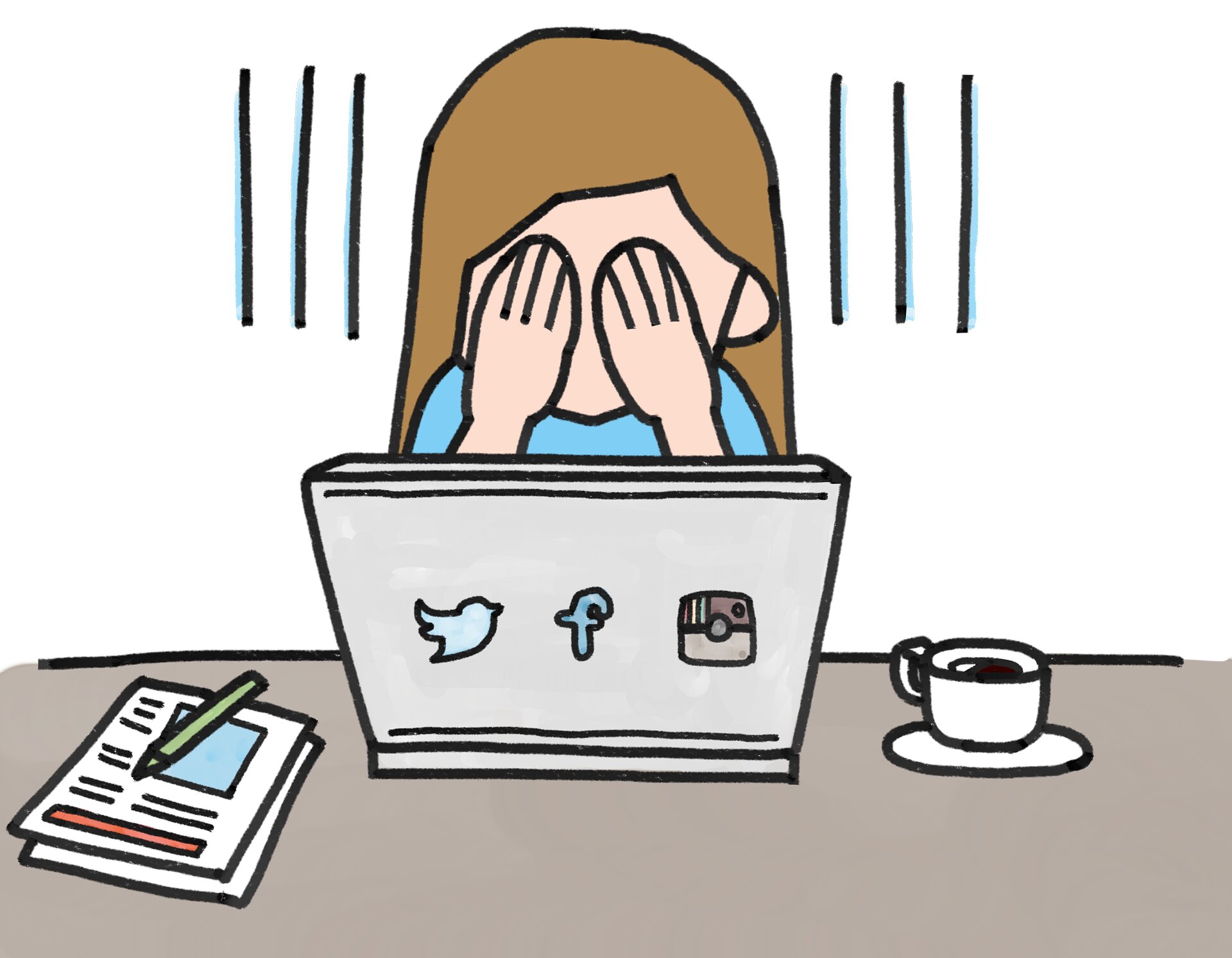
The Perilous Link Between Problematic Social Media Use and Belief in Fake News
In an era dominated by digital connectivity, social media platforms have become ubiquitous, shaping our perceptions of the world and influencing our daily lives. However, the pervasive nature of these platforms has also given rise to a concerning phenomenon: the proliferation of fake news and misinformation. A groundbreaking study conducted by researchers at Michigan State University has unveiled a compelling correlation between problematic social media use and the susceptibility to believing and engaging with fake news. This discovery raises profound implications for individual well-being, societal cohesion, and the future of online information dissemination.
The study, published in the journal PLOS One, employed a rigorous online experiment involving 189 participants aged 18 to 26. Participants were presented with a series of 20 news stories, meticulously crafted to resemble social media posts. Half of these stories were factual, while the other half were fabricated. The order of presentation was randomized to eliminate bias. Researchers analyzed participants’ credibility judgments of the news posts, their intentions to interact with the content (clicking, commenting, liking, and sharing), and their degree of problematic social media use.
The results revealed a striking pattern: individuals exhibiting heightened symptoms of problematic social media use displayed a greater propensity to believe fake news, interact with news posts regardless of veracity, and express a desire to click on fake news posts. This finding underscores the vulnerability of individuals struggling with social media addiction to misinformation and disinformation campaigns.
Problematic social media use, although not yet recognized as a clinical disorder by the American Psychiatric Association, bears striking similarities to substance use and other behavioral addictive disorders. Individuals grappling with this issue often experience withdrawal symptoms when deprived of access to social media and may relapse even after attempting to curtail their usage. Such behavior can have detrimental consequences, including job loss, academic decline, and mental health issues.
The pervasiveness of fake news, categorized as misinformation (unintentional) or disinformation (intentional), poses a significant threat to informed decision-making and societal discourse. Over 60% of Americans consume news content through social media, and research indicates that false news spreads more rapidly on these platforms than factual news. This study’s unique contribution lies in its examination of the interplay between problematic social media use and trust in fake news, specifically analyzing user intentions to engage with such content.
The implications of this research extend beyond individual users, impacting various stakeholders involved in the fight against misinformation. Mental health professionals can leverage these findings to develop tailored interventions for individuals struggling with problematic social media use. Healthcare providers across different specialties can benefit from increased awareness of their patients’ social media habits, as susceptibility to health-related misinformation can have serious health implications.
Furthermore, governmental agencies, organizations, and social media companies can utilize this research to refine their strategies for combating the spread of misinformation and disinformation. By identifying individuals at higher risk of believing fake news, targeted interventions can be implemented to mitigate the spread of false narratives. Collaboration between researchers and social media platforms can lead to innovative solutions, such as personalized recommendations for healthier social media usage and improved content filtering algorithms.
This study’s findings serve as a clarion call for greater vigilance and proactive measures in addressing the complex interplay between problematic social media use and the proliferation of fake news. By understanding the underlying mechanisms that contribute to the susceptibility to misinformation, we can empower individuals, strengthen societal resilience, and foster a healthier online information ecosystem. The ongoing battle against fake news demands a multi-faceted approach, encompassing individual responsibility, technological advancements, and collaborative efforts across various sectors of society. Only through such a concerted effort can we hope to stem the tide of misinformation and safeguard the integrity of information in the digital age.