


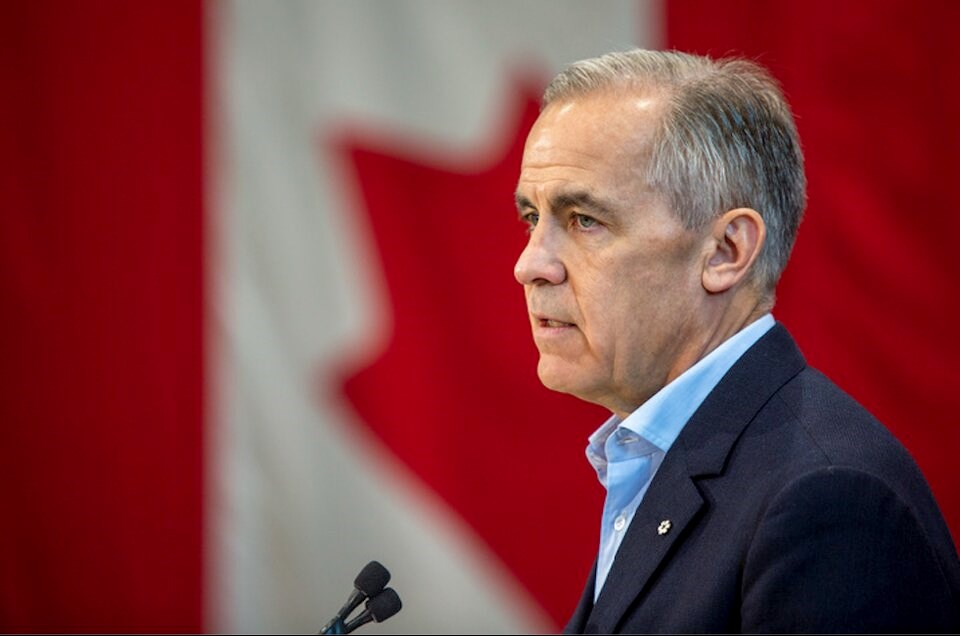
Social Media Bot Network Accused of Spreading Climate Disinformation Against Liberal Leader Mark Carney
A sophisticated network of bot-like social media accounts launched a targeted disinformation campaign against Liberal leader Mark Carney during the recent federal election, falsely linking his past employment at Brookfield Asset Management to the party’s climate agenda. The campaign propagated the baseless claim that Brookfield stood to profit from Carney’s political ascent and the Liberals’ "net-zero" policies. Climate Action Against Disinformation (CAAD), a coalition of over 50 climate and anti-disinformation organizations, identified the network’s activity across platforms like YouTube and X (formerly Twitter), revealing a pattern of coordinated behavior consistent with bot networks observed in other global disinformation campaigns. The campaign weaponized the term "net-zero," a widely accepted scientific goal to stabilize greenhouse gas emissions and limit global warming, twisting it into a narrative of economic ruin and elite profiteering.
CAAD’s analysis unveiled a concerted effort to disseminate this disinformation, with hundreds of accounts, many exhibiting characteristics of automated bots, echoing the same anti-Carney messages. These accounts frequently lacked profile pictures, bios, and original content, instead sharing identical videos from right-wing YouTube channels known for promoting conspiracy theories. The videos often featured unsubstantiated claims, including allegations of censorship and accusations against the Liberal government. The campaign’s reach was substantial, with some videos garnering hundreds of thousands of views. This coordinated activity raises concerns about the integrity of online political discourse and the potential for such campaigns to manipulate public opinion during elections.
The investigation, led by CAAD policy co-chair Michael Khoo, faced challenges in definitively attributing the bot activity and identifying those behind the network. The opacity of social media platforms makes it difficult to trace the origins and funding of such operations. However, the coordinated nature of the campaign, the use of identical messaging, and the suspicious account profiles strongly suggest a deliberate and organized effort to spread disinformation. Khoo emphasized the pervasiveness of similar bot networks globally, often fueled by actors seeking to undermine climate action by portraying it as economically detrimental.
The disinformation campaign against Carney mirrors broader trends of online climate denial and conspiracy theories. CAAD has previously documented similar activity during the devastating 2023 Canadian wildfire season, where false narratives about arson and government involvement proliferated across social media. These campaigns often capitalize on real-world events, exploiting anxieties and uncertainties to sow distrust in climate science and policy. Khoo emphasized the opportunistic nature of these disinformation campaigns, often driven by actors with vested interests in the fossil fuel industry.
The targeting of Carney appears part of a broader strategy to discredit climate action by portraying it as a corrupt scheme benefiting elites. By associating Carney, a former central banker, with the "net-zero" agenda, the campaign aimed to fuel skepticism and opposition to climate policies. This tactic aligns with common disinformation narratives that portray climate action as a job-killing, wealth-redistributing conspiracy driven by globalist interests. The amplification of these messages through bot networks raises concerns about the potential to manipulate public discourse and erode trust in legitimate climate solutions.
Expert analysis of the suspected bot accounts reinforces the concerns raised by CAAD. Chris Tenove, assistant director at the University of British Columbia’s Centre for the Study of Democratic Institutions, described the accounts as exhibiting "co-ordinated inauthentic behaviour," characterized by hyperpartisan content, low follower counts, minimal authentic interaction, and the copying and pasting of text from other sources. While Tenove believes these bots are unlikely to sway undecided voters, he warns of their potential to reinforce existing biases and deepen the partisan divide, contributing to the increasingly toxic information environment on platforms like X. This latest incident underscores the urgent need to address the spread of online disinformation and protect the integrity of democratic processes.