


Wizkid’s Collaborations: A Catalyst for Emerging Artists or a Shadow of Fame?
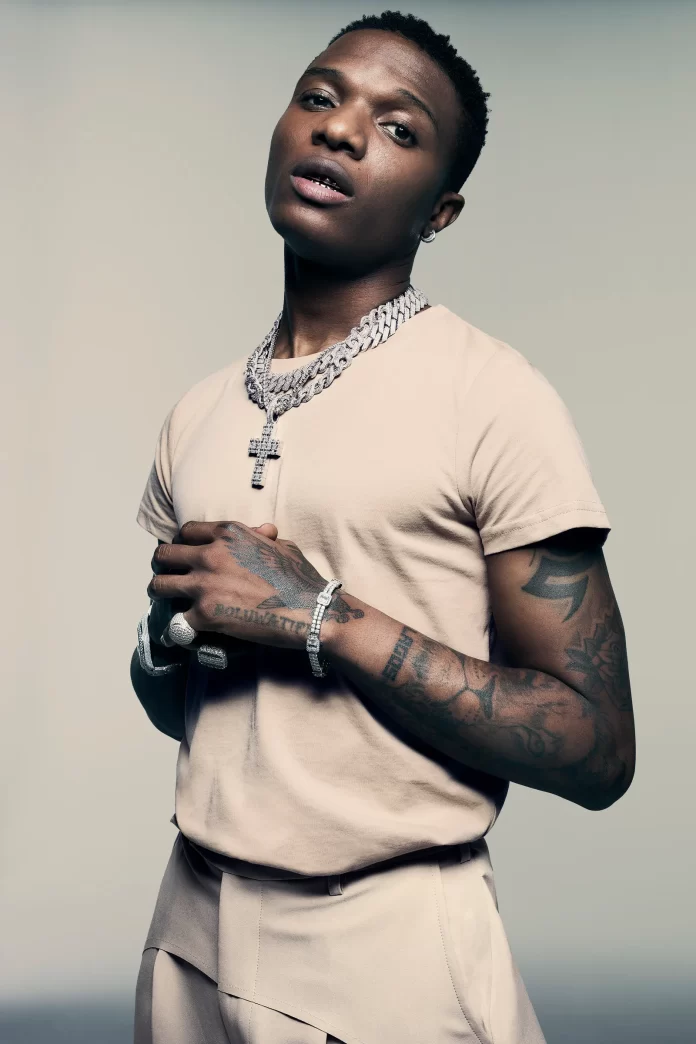
The Nigerian music scene, a vibrant tapestry of rhythms and melodies, has recently found itself embroiled in a debate sparked by social media personality Geh Geh. His commentary, dissecting the effectiveness of collaborations between established superstars and emerging artists, has ignited a firestorm of discussion, particularly focusing on the impact of collaborations with Afrobeats icon Wizkid. Geh Geh’s central argument challenges the conventional wisdom that featuring a superstar automatically translates into a career boost for up-and-coming artists. Instead, he posits that Wizkid’s immense star power often eclipses the very artists he intends to support, leaving them lost in the glare of his fame. This provocative assertion has resonated throughout the industry, prompting a wider conversation about the dynamics of musical partnerships and the often-uneven distribution of benefits.
The crux of Geh Geh’s argument revolves around the observation that while songs featuring Wizkid often achieve widespread popularity, the emerging artists involved frequently remain relatively unknown. He attributes this phenomenon to the magnetic pull of Wizkid’s established fanbase and the media’s inherent focus on the already-famous. Geh Geh argues that the “glory,” as he puts it, predominantly goes to Wizkid, leaving the collaborating artist struggling to carve out their own space in the limelight. He contends that this isn’t a deliberate act of overshadowing on Wizkid’s part, but rather a consequence of the inherent dynamics of celebrity collaborations where the established artist inevitably draws the lion’s share of attention.
This commentary has resonated with many industry observers who have noticed similar patterns in other music markets. The debate isn’t confined to the Nigerian music scene; it touches upon a broader industry-wide phenomenon where emerging artists grapple with the challenge of leveraging superstar collaborations without being swallowed whole by the experience. The question becomes: how can up-and-coming musicians benefit from the exposure offered by such collaborations while simultaneously building their own independent brand recognition? Geh Geh’s viral video has brought this long-simmering discussion to the forefront, forcing the industry to confront the complexities of these partnerships.
Social media has become the arena for this ongoing debate, with users citing both successes and failures of superstar collaborations. Some point to instances where emerging artists have indeed been catapulted into the spotlight by featuring prominent musicians, while others offer counter-examples where the collaboration yielded little to no discernible career boost for the lesser-known artist. This back-and-forth highlights the nuanced reality of these partnerships, demonstrating that there’s no guaranteed formula for success. The outcome depends on a multitude of factors, including the individual artists involved, the song itself, and the broader marketing strategy employed.
The controversy surrounding Geh Geh’s commentary extends beyond the specific case of Wizkid to encompass wider questions about strategic career development for emerging artists in today’s hyper-competitive music landscape. Industry professionals have long debated the delicate balance between leveraging high-profile collaborations for exposure and building a dedicated fanbase organically. The challenge lies in finding ways for emerging artists to capitalize on the reach of established stars without compromising their individual identity and artistic vision. This is a complex equation with no easy answers, and the debate continues to evolve as the music industry itself undergoes rapid transformation.
Geh Geh’s commentary has also shone a spotlight on the increasing influence of social media personalities in shaping entertainment industry discourse. In the digital age, influencers outside traditional music journalism wield significant power to spark conversations about industry practices and artist development strategies. Their voices, amplified by the reach of social media, can contribute significantly to public perception and even influence industry trends. This incident serves as a potent reminder of the shifting landscape of music commentary and the increasingly blurred lines between traditional media and online platforms. While Wizkid himself has remained silent on the matter, the conversation he inadvertently sparked continues to resonate, prompting crucial introspection within the industry. The debate is far from settled, but it serves as a valuable catalyst for examining the intricate dynamics of musical collaborations and their impact on the careers of both established stars and the emerging artists who aspire to share the stage with them.