


Congressional Inquiry into "Fake News": A Double-Edged Sword
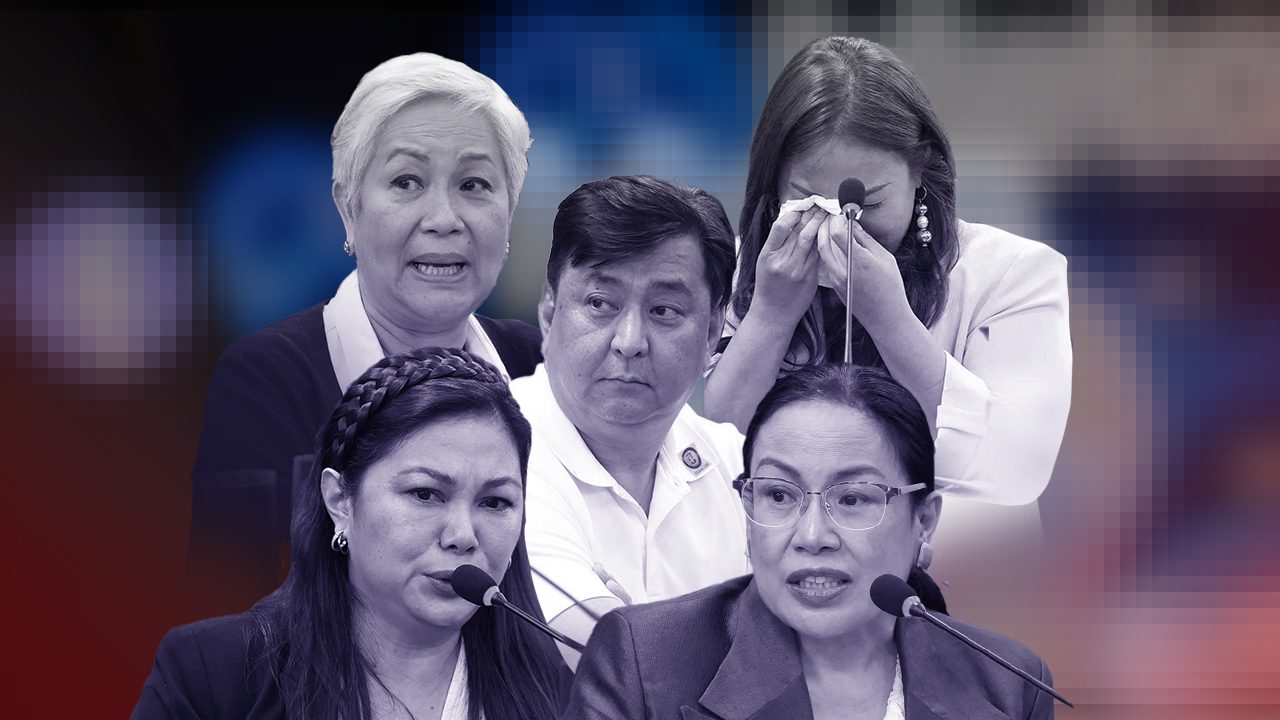
The Philippine House of Representatives recently held a hearing on the spread of disinformation online, featuring pro-Duterte bloggers who were questioned about their role in disseminating false information. While some viewed the bloggers’ tearful apologies as a victory against online falsehoods, concerns arose regarding the potential implications of the inquiry on freedom of expression. The hearing, the third in a series, followed previous attempts by the bloggers to avoid attendance, citing free speech concerns. The Supreme Court, however, declined to issue a restraining order, compelling their participation.
The hearing involved intense confrontations between lawmakers and bloggers, with representatives questioning the bloggers about specific instances of spreading false narratives. Krizette Chu, a blogger with a significant following, faced criticism for falsely claiming an impending mass resignation within the Philippine National Police. Similarly, MJ Quiambao Reyes was challenged for dismissing victims of the drug war as a hoax. The bloggers’ attempts to deflect accountability, including Chu’s claim of adding "supposedly" to her post, were also scrutinized.
While the hearing exposed the bloggers’ disregard for journalistic standards and their casual approach to facts, it also raised concerns about the political motivations behind the inquiry. Many of the targeted bloggers had thrived during the Duterte presidency, a period marked by the proliferation of online disinformation. Critics argue that the hearing was initiated due to the recent political rift between the Dutertes and the current Marcos administration, suggesting a retaliatory rather than truth-seeking motive. This raises questions about the intent behind the inquiry – is it about curbing disinformation or silencing dissent?
The inquiry has sparked debate about the appropriate approach to combating online falsehoods. Some advocate for media regulation, while others caution against government intervention in free speech. The proposed establishment of a Digital Council of the Philippines, while aimed at creating a code of conduct for online content creators, has raised concerns due to the suggested inclusion of a government representative. Critics fear this could be a disguised attempt to control media narratives under the guise of self-regulation. There is also concern that the powers wielded by legislators in these inquiries could be used to silence not just bloggers but also professional journalists critical of the government.
Experts suggest an alternative approach – targeting disinformation networks rather than individuals. Focusing on PR or advertising agencies that offer disinformation services could be more effective than pursuing individual bloggers who can easily claim their statements as mere opinion. This aligns with the view that top-down regulation may be misused to suppress dissent, and that supporting independent research and pressuring social media platforms for transparency may be more fruitful strategies.
The hearing also briefly touched upon the role of social media platforms in combating disinformation. While TikTok Philippines presented its mechanisms for prohibiting harmful misinformation, the discussion remained superficial. Further investigation into the responsibility of social media giants for the spread of false content on their platforms is crucial. The House tri-committee is set to reconvene, with more bloggers facing potential consequences for non-appearance. Regardless of the political undertones, the inquiry has undeniably put pro-Duterte bloggers on notice, reminding them that spreading falsehoods carries potential repercussions. The ongoing debate revolves around finding a balance between accountability and safeguarding freedom of expression in the digital age.