


Social Media Reporting: A Comprehensive Guide for Modern Brands
In today’s digital landscape, social media has become an indispensable tool for businesses of all sizes. However, managing a brand’s social presence effectively requires more than just posting engaging content. It necessitates a deep understanding of audience behavior, meticulous data analysis, and the ability to translate complex metrics into actionable insights. This is where social media reporting comes into play. A well-crafted social media report provides a comprehensive overview of a brand’s performance across various platforms, enabling marketers to measure the success of their efforts, identify areas for improvement, and demonstrate the value of social media to stakeholders.
The foundation of effective social media reporting lies in aligning your efforts with your overarching business goals. Before diving into data collection, clearly define what you aim to achieve through social media. Whether it’s increasing brand awareness, driving website traffic, generating leads, or boosting sales, your goals should be Specific, Measurable, Achievable, Relevant, and Time-bound (SMART). This framework provides a roadmap for your reporting strategy, allowing you to select the most relevant Key Performance Indicators (KPIs) and track progress effectively.
Data gathering and presentation form the core of any social media report. Leverage native analytics platforms, third-party tools, and even manual tracking methods to collect data related to your chosen KPIs. Consider different reporting frequencies – daily, weekly, monthly, quarterly, or annually – based on the specific needs of your business. Daily reports provide real-time insights into trending topics and brand mentions, while monthly reports offer a deeper understanding of campaign performance and content strategy. Quarterly and annual reports, on the other hand, allow you to assess long-term trends and inform overall marketing strategy. Visualize your data using graphs, charts, and screenshots of top-performing posts to enhance clarity and engagement.
Analyzing your data and extracting meaningful insights is crucial for optimizing your social media strategy. Look beyond vanity metrics like likes and followers and focus on metrics that directly impact your business goals. Reach, engagement, website traffic, conversions, and video views provide a more holistic view of your social media performance. Compare your performance to industry benchmarks and analyze your competitors’ strategies to identify opportunities for growth. Use competitive analysis tools to track audience growth, share of voice, and content performance. Understanding how your competitors are performing can inspire new content ideas, inform campaign adjustments, and ensure you stay ahead of the curve.
The final step in the social media reporting process involves summarizing your key learnings and outlining actionable next steps. Clearly articulate the main takeaways from your data analysis and provide specific recommendations for future social media activities. Whether it’s adjusting your posting schedule, experimenting with different content formats, or investing in paid advertising, your recommendations should be data-driven and aligned with your overall social media goals. Maintain conciseness and clarity in your reporting, using bullet points and visual aids to highlight key information. This ensures that your report is easily digestible and actionable for all stakeholders.
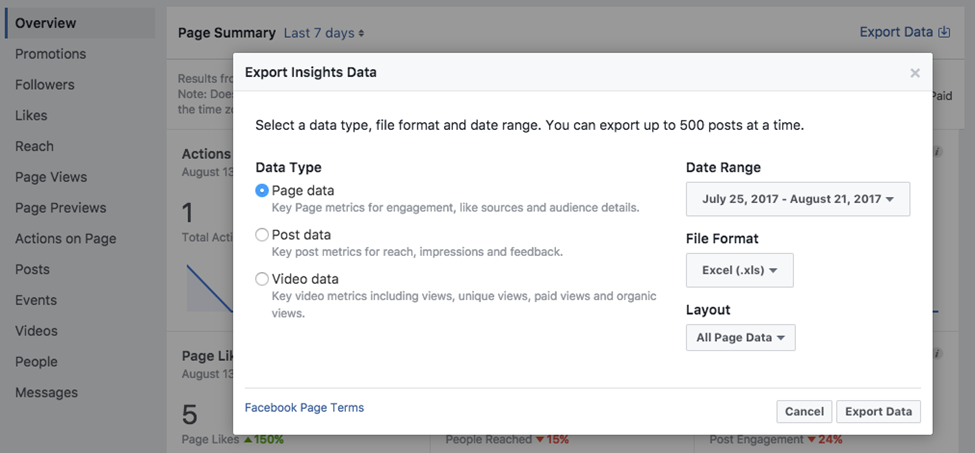
To streamline your reporting process, leverage social media reporting tools and templates. Sprout Social, for instance, offers a suite of reporting features that allow you to customize reports, track key metrics, and automate report delivery. Explore different reporting dashboards, such as Profile Performance, Tag Performance, and Competitor Reports, to gain a comprehensive view of your social media activities. Customize your reports by filtering data based on social media channel, date range, and specific metrics. Export your reports in various formats, including CSV and PDF, to share with your team and stakeholders. Automate report delivery to save time and ensure consistent reporting.
Examples of effective social media reporting techniques include showcasing top-performing posts, highlighting customer testimonials, and providing competitive analysis. Include screenshots of posts with high engagement or positive customer feedback to demonstrate the impact of your social media efforts. Showcase accolades and mentions from industry influencers or publications to highlight brand awareness and thought leadership. Use competitor reports to benchmark your performance and identify areas for improvement. Tailor your reports to specific audiences, such as marketing teams, leadership executives, or customer care managers, by focusing on the metrics most relevant to their respective roles.
Social media reporting is not a one-size-fits-all endeavor. Consider using pre-built templates to save time and ensure consistency in your reporting. Templates for social metrics maps, analytics spreadsheets, scorecards, creative testing worksheets, market research, and social listening insights can provide a framework for organizing your data and presenting it effectively. Customize these templates to align with your specific needs and brand identity. Regularly review and refine your reporting process to ensure it remains aligned with your evolving social media goals and business objectives. By embracing a data-driven approach to social media management, you can transform your social presence into a powerful engine for growth and success.