


The Misinformation Arms Race: How Competition Fuels the Spread of Fake News
In today’s fiercely competitive media landscape, the pursuit of audience engagement has driven some news sources to embrace misinformation as a strategy for growth. A new study published in Science Advances reveals how this dynamic can escalate into a veritable "arms race," where rival news outlets feel compelled to share their own fabricated stories to compete, ultimately fostering a more polarized and misinformed public. Researchers developed a sophisticated model to simulate this phenomenon, providing insights into the complex interplay between misinformation, credibility, and audience behavior.
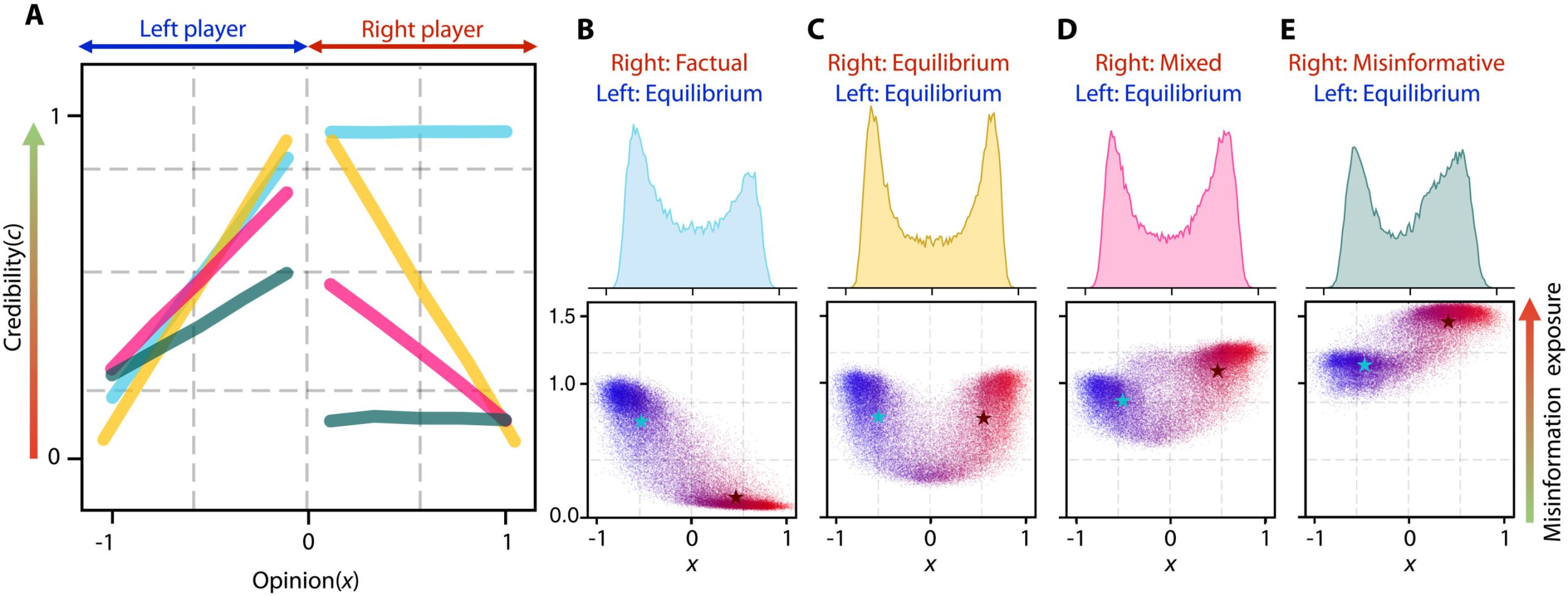
The researchers constructed a model based on game theory, specifically a zero-sum game, where competing news sources must choose between disseminating factual reporting and propagating misinformation. This model incorporates the concept of quantal response equilibrium, which assumes that players make rational choices based on the perceived payoffs of different actions. By tracking each news source’s reputation for credibility, their track record of accuracy, and the pre-existing opinions of their audience, the model simulates the evolution of influence in a competitive media environment.
The study highlights the precarious balance between short-term gains and long-term consequences when news outlets engage in misinformation. While sharing fabricated stories may initially attract a wider audience and boost engagement metrics, it inevitably erodes the source’s credibility over time. The model successfully replicates this dynamic, demonstrating how the lure of immediate attention can lead news sources down a slippery slope of misinformation, even when it ultimately undermines their long-term standing with the public.
One of the most alarming findings of the study is the emergence of a "misinformation arms race." When one news source resorts to sharing fake news, their rivals often feel pressured to do the same in order to maintain their competitive edge. This creates a vicious cycle where misinformation becomes increasingly prevalent, further polarizing the audience and contributing to the formation of echo chambers where individuals are primarily exposed to information that reinforces their pre-existing beliefs. This dynamic can have profound consequences for public discourse and democratic processes, as it undermines trust in credible information sources and fuels societal divisions.
While the model sheds light on the patterns of this "arms race," it is crucial to note that it does not definitively identify the specific motives behind individual news outlets’ decision-making. The authors caution against simply labeling news sources that engage in misinformation as "malicious," as their behavior may be the result of complex interactions and competitive pressures within the media ecosystem. The study suggests that information distortion can become a natural outcome for hyperpartisan media outlets operating within a highly competitive environment.
The researchers emphasize the importance of media literacy education as a crucial tool in combating the spread of misinformation. By equipping individuals with the skills to critically evaluate the credibility of information they encounter online, we can reduce overall susceptibility to fake news and mitigate the harmful effects of the "misinformation arms race." This study underscores the urgent need for interventions that empower individuals to navigate the complex and often deceptive information landscape, fostering a more informed and resilient society. Furthermore, the model can be used as a tool to explore different interventions, such as fact-checking initiatives and media literacy campaigns, and assess their potential impact on curbing the spread of misinformation. This research provides valuable insights for policymakers, educators, and media organizations seeking to address the growing challenge of misinformation and promote a more informed public discourse.