


The Misinformation Epidemic: A Crisis for Journalism and Public Health
In today’s digital age, journalists face an unprecedented challenge: battling the relentless tide of misinformation and disinformation that floods social media platforms and threatens public health. The very foundation of journalistic integrity – accurate and nuanced reporting – is constantly undermined by the rapid spread of false or misleading information. This has dire consequences, as evidenced by declining vaccination rates and the resurgence of preventable diseases like measles. The frustration and discouragement felt by journalists who see their factual reports overshadowed by sensationalized falsehoods are palpable.
This "infodemic," as some experts call it, is fueled by the unique characteristics of social media, which prioritize engagement and virality over truth and accuracy. Algorithms amplify emotionally charged content, regardless of its veracity, creating echo chambers where misinformation thrives. This phenomenon is further compounded by the human tendency to cling to pre-existing beliefs, even in the face of contradictory evidence. The implications for public health are profound, as individuals make life-altering decisions based on false information, rejecting evidence-based guidance from medical professionals and public health authorities.
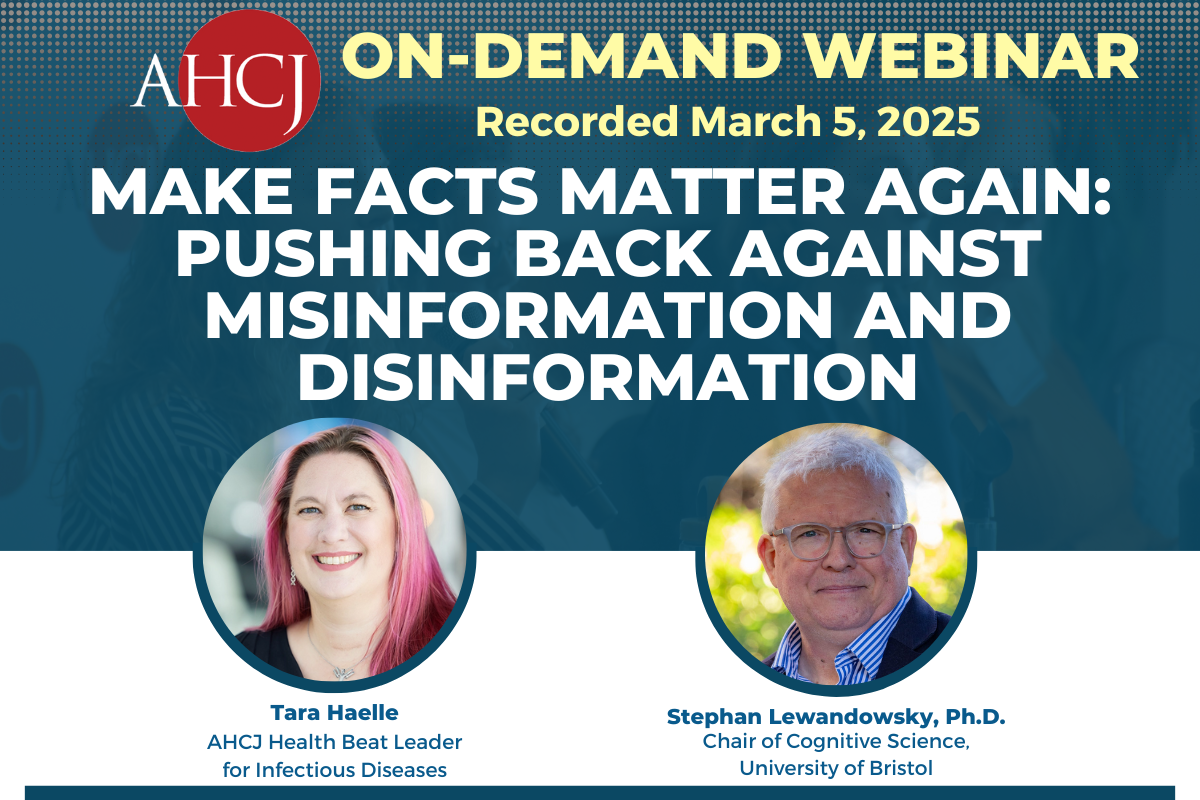
The fight against misinformation is not a lost cause. Journalists, despite the challenges, still play a crucial role in conveying accurate information and countering the spread of falsehoods. Cognitive scientist Stephan Lewandowsky, a leading expert on misinformation and its impact, offers valuable insights into the mechanisms behind this phenomenon and strategies to combat it. Lewandowsky, chair of Cognitive Science at the University of Bristol and a lead author of "The Debunking Handbook," emphasizes the importance of understanding why people believe and share misinformation.
Lewandowsky’s research explores the intersection of social media architecture and human cognition, revealing how platform algorithms contribute to the prevalence of misinformation. He also investigates the factors influencing public acceptance of scientific evidence, a critical issue in the context of health reporting. His work has garnered numerous awards and his publications have significantly contributed to the understanding of misinformation and its societal impact. Notably, his 2020 report on "Technology and Democracy" has influenced EU digital legislation, highlighting the real-world implications of his research.
One of the key takeaways from Lewandowsky’s work is the importance of prebunking – inoculating individuals against misinformation before they encounter it. This involves explaining the techniques used to spread misinformation, such as emotional manipulation and logical fallacies, thereby empowering people to critically evaluate information they encounter online. Furthermore, correcting misinformation requires careful consideration. Simply repeating the false claim, even to debunk it, can reinforce its familiarity and increase its believability. Instead, focusing on the factual information and providing a clear explanation of why the misinformation is wrong is more effective.
Journalists can play a vital role in this prebunking process by incorporating media literacy education into their reporting. This involves explaining how to identify credible sources, recognize misinformation tactics, and evaluate the validity of online information. Furthermore, collaborating with fact-checking organizations and social media platforms can amplify the reach of accurate information and help counter the spread of misinformation. Journalists can also leverage their storytelling skills to make complex scientific information accessible and engaging, increasing its appeal and shareability. By framing health information within relatable narratives, journalists can connect with audiences on an emotional level, making the information more memorable and impactful.
This battle against misinformation requires a multi-pronged approach involving journalists, scientists, educators, and social media platforms. By understanding the cognitive biases that make individuals susceptible to misinformation, journalists can tailor their reporting to address these vulnerabilities. By emphasizing the credibility of scientific consensus and highlighting the potential consequences of misinformation, they can empower audiences to make informed decisions about their health. While the challenges are undeniable, journalists remain essential in the fight against misinformation, playing a crucial role in safeguarding public health and fostering a more informed society.