


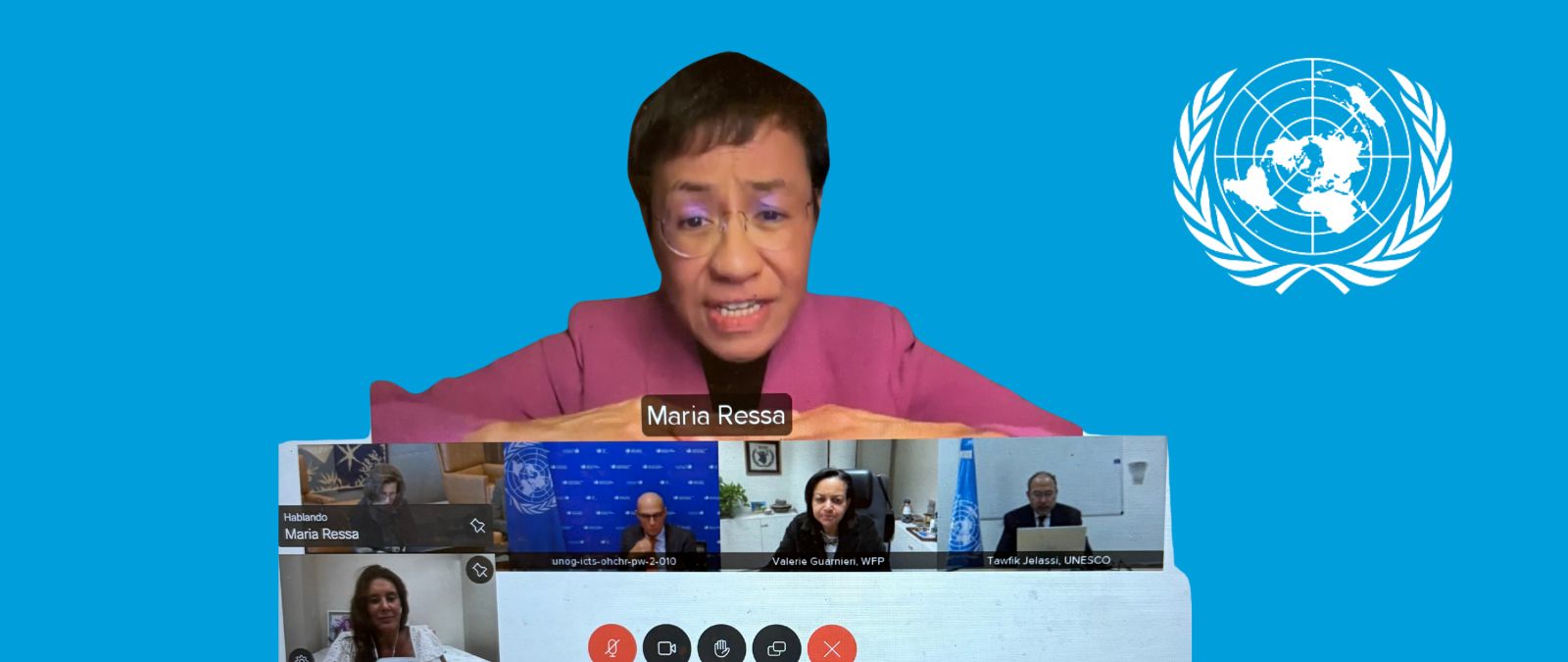
UN Tackles Disinformation Crisis: Factchequeado CEO Addresses Senior Management Group
The United Nations convened a high-level meeting on February 5, 2025, to address the escalating global crisis of disinformation. The session, part of the UN Senior Management Group (SMG) meetings and led by Secretary-General António Guterres, brought together over 45 heads of key UN agencies, including UNICEF, UNESCO, WHO, and IOM. The focus was on understanding the pervasive impact of disinformation and formulating effective counter-strategies. Leading experts in the field, including Laura Zommer, CEO and co-founder of Factchequeado, shared their insights and proposed solutions. Zommer was joined by other prominent figures such as Claire Wardle of Cornell University and First Draft, Nobel laureate Maria Ressa of Rappler, and Nanjira Sambuli of the Carnegie Endowment for International Peace. Melissa Fleming, UN Under-Secretary-General for Global Communications, moderated the ensuing discussion.
Zommer, a veteran in the fight against misinformation in Latin America, highlighted the alarming surge of false information targeting Latino communities in the United States. She emphasized the rapid spread of Spanish-language disinformation, which disseminates six times faster than English-language misinformation due to a significant lack of fact-checking resources. This proliferation of false narratives, often exploiting vulnerabilities related to immigration and eroding trust in democratic processes, underscored the urgent need for effective intervention. She stressed the need to continually adapt and innovate in the fight against disinformation, recognizing it as an evolving social condition requiring constant vigilance.
Zommer outlined Factchequeado’s multi-pronged approach, emphasizing four key pillars: extreme collaboration, a community-centred approach, experimentation, and data collection. Extreme collaboration involved forging partnerships with a diverse network of over 120 media organizations, grassroots groups, and universities across 24 states. This collaborative network facilitates real-time information sharing on disinformation trends and enables rapid response to harmful content. A community-centred approach prioritizes listening to the needs of diverse communities and tailoring interventions accordingly. Factchequeado utilizes tools like chatbots to engage with communities, answer questions, and promote media literacy.
Experimentation plays a crucial role in Factchequeado’s strategy. Recognizing the need to compete with the engaging formats often used to spread disinformation, Factchequeado explores innovative methods of delivering accurate information, ranging from memes to interactive cooking shows that incorporate fact-checking. The organization also leverages AI technology to enhance the speed and efficiency of its fact-checking efforts. Finally, Factchequeado emphasizes the importance of data collection and analysis to inform academic research and provide valuable insights for policymakers. This data-driven approach allows for continuous monitoring and improvement of strategies.
Zommer stressed the importance of increasing the cost of lying by consistently exposing purveyors of disinformation and empowering communities with media literacy skills. She highlighted the global expansion of fact-checking initiatives, noting the growth from a handful of organizations in 2010 to over 446 active fact-checking groups worldwide today. However, she also lamented the loss of 161 organizations due to funding cuts, emphasizing the precarious nature of these vital efforts. She presented compelling evidence demonstrating the effectiveness of fact-checking in curbing the spread of misinformation and promoting informed decision-making.
Zommer’s address resonated with the UN’s growing concern over the detrimental impact of disinformation on global peace and security. The session served as a critical platform for discussing the need for collaborative action, innovative strategies, and sustained funding to effectively counter the disinformation crisis. The insights shared by Zommer and other experts will inform the UN’s ongoing efforts to address this complex challenge and protect the integrity of the information ecosystem. The UN’s engagement signifies a growing recognition of the urgent need for international cooperation and innovative solutions to combat the spread of disinformation and safeguard democratic values.
The meeting served as a call to action for increased investment in fact-checking organizations, the development of effective media literacy programs, and greater accountability from social media platforms in curbing the spread of disinformation. The urgency of the situation demands a coordinated global response to protect societies from the corrosive effects of misinformation and to ensure that accurate information remains accessible to all.