


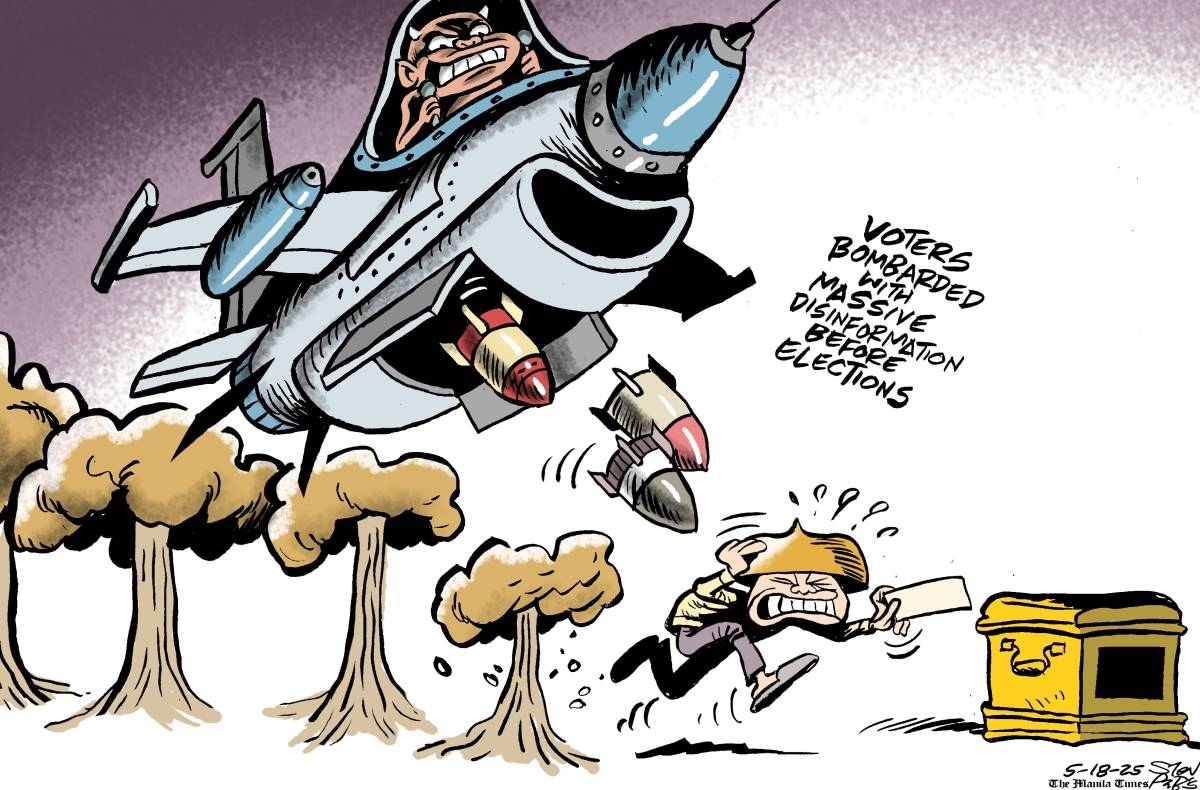
Dodging Disinformation: A Deep Dive into the Murky Waters of Fake News
In an era defined by the relentless deluge of information, discerning truth from falsehood has become a Herculean task. The digital age, while democratizing access to knowledge, has also inadvertently paved the way for the proliferation of disinformation, a deliberate and malicious form of misinformation designed to deceive and manipulate. This insidious phenomenon poses a significant threat to individuals, communities, and even nations, undermining trust in institutions, fueling social divisions, and jeopardizing democratic processes. Understanding the nature of disinformation, its vectors of dissemination, and the strategies for combating it is crucial for navigating the complex information landscape of the 21st century.
Disinformation campaigns are multifaceted, employing a range of sophisticated techniques to achieve their objectives. They often exploit existing social and political tensions, amplifying anxieties and prejudices to sow discord and erode public trust. Furthermore, disinformation campaigns frequently leverage the speed and reach of social media platforms, making it challenging to contain the spread of false narratives before they take root. The anonymity afforded by the internet further exacerbates the problem, allowing malicious actors to operate in the shadows, shielding their identities and motives. Tactics employed can range from the subtle manipulation of context and the selective omission of facts to the outright fabrication of events and the impersonation of credible sources. The pervasiveness of these tactics necessitates a multi-pronged approach to combat disinformation, engaging individuals, platforms, and governments in a collaborative effort to safeguard the integrity of information.
One of the most critical aspects of combating disinformation lies in fostering media literacy among individuals. Developing a discerning eye for credible sources, critically evaluating the information encountered, and understanding the motivations behind the dissemination of specific narratives are essential skills in the digital age. This involves recognizing the telltale signs of disinformation, such as sensationalized headlines, emotional appeals, a lack of supporting evidence, and inconsistencies within the presented information. Cross-referencing information with reputable sources and fact-checking websites plays a crucial role in verifying the authenticity of claims and identifying potential distortions. Furthermore, understanding the mechanisms of social media algorithms and the potential for manipulation is essential for mitigating the risks of exposure to disinformation campaigns.
Social media platforms bear a significant responsibility in addressing the spread of disinformation within their ecosystems. While these platforms have become invaluable tools for communication and information sharing, they also present significant challenges in terms of content moderation and the prevention of malicious manipulation. Implementing robust fact-checking mechanisms, flagging potentially misleading content, and promptly removing demonstrably false information are crucial steps towards curbing the spread of disinformation. Transparency regarding the origin and propagation of information is equally vital, allowing users to understand the context and potential biases associated with the content they encounter. Collaboration between platforms, researchers, and fact-checking organizations is essential for developing effective strategies for identifying and addressing disinformation campaigns.
Governments also play a crucial role in combating disinformation, balancing the need to protect national security and democratic processes with the preservation of freedom of expression. This requires a nuanced approach that addresses the root causes of disinformation while respecting fundamental rights. Investing in public education initiatives to promote media literacy, supporting independent journalism and fact-checking organizations, and fostering international cooperation to address cross-border disinformation campaigns are crucial components of a comprehensive governmental strategy. Furthermore, exploring legal frameworks that address the dissemination of harmful disinformation without unduly restricting free speech remains a critical challenge for policymakers.
Ultimately, the fight against disinformation is a collective endeavor. Individuals, platforms, and governments must work in concert to foster a culture of critical thinking, promote media literacy, and implement strategies for mitigating the spread of false narratives. By equipping ourselves with the tools to critically evaluate information, holding social media platforms accountable for the content they host, and empowering governments to address the root causes of disinformation, we can collectively navigate the complex information landscape and safeguard the integrity of truth in the digital age. The stakes are high; the future of informed decision-making and democratic processes hinges on our ability to effectively combat the insidious threat of disinformation.