


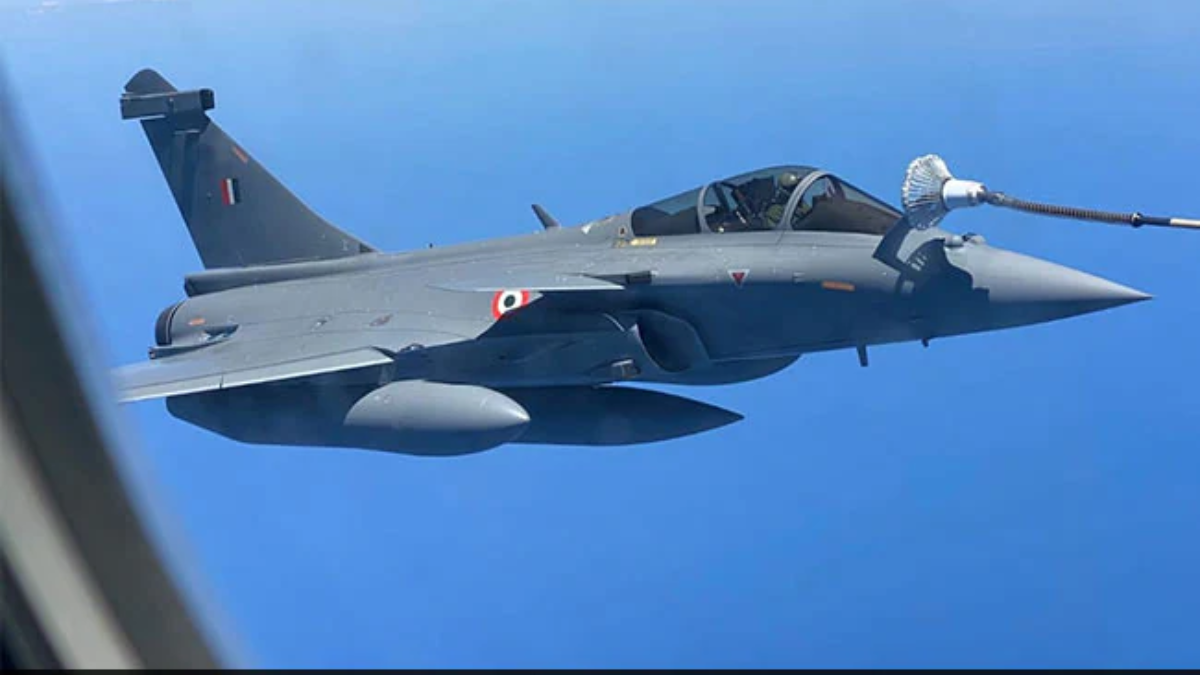
France Accuses China of Orchestrating Disinformation Campaign Against Rafale Fighter Jet
Paris – The French Ministry of Defence has accused China of launching a sophisticated disinformation campaign targeting the reputation and international sales of its flagship Rafale fighter jet. This revelation, based on a French military intelligence report accessed by the Associated Press, alleges that Chinese officials worldwide engaged in a coordinated effort to undermine confidence in the Rafale’s capabilities following its reported deployment in the India-Pakistan clashes in May. The alleged campaign, employing a mix of traditional and digital tactics, represents a new front in the ongoing geopolitical rivalry between major powers, raising concerns about the increasing use of information warfare in international arms sales competitions.
The French intelligence report indicates that Chinese defence attachés stationed in various embassies actively lobbied foreign governments, particularly potential Rafale buyers, to question the aircraft’s performance and consider Chinese-manufactured alternatives. Indonesia, a significant Rafale customer with an existing order of 42 jets and the potential for further acquisitions, emerged as a primary target of this alleged campaign. The French Defence Ministry asserts that the disinformation campaign leveraged a complex network of social media accounts, fake imagery, AI-generated content, and even manipulated video game simulations to depict misleading combat scenarios. These fabricated narratives, amplified by over a thousand newly created social media profiles and circulated by Chinese and Pakistani sources, focused on alleged Rafale losses during the brief but intense military escalation between India and Pakistan.
The central claim propagated by this disinformation campaign revolved around Pakistan’s assertion of downing five Indian aircraft, including three Rafales, during the May clashes. While India acknowledged losing aircraft, it refrained from specifying the types or numbers lost. French Air Force chief Gen. Jerome Bellanger confirmed the loss of one Rafale, alongside a Sukhoi and a Mirage 2000, marking the first combat loss for the Rafale, an aircraft currently in service with eight countries. The discrepancy between the claims and the confirmed loss underscores the heart of the disinformation campaign: to inflate the perception of Rafale vulnerability and erode confidence in its combat effectiveness.
While French officials acknowledge the difficulty in establishing a direct digital link between the disinformation campaign and the Chinese government, they point to the coordinated messaging emanating from Chinese embassies and defence officials as strong circumstantial evidence of Beijing’s involvement. The synchronized nature of the campaign, combined with its focus on undermining a key French export product, suggests a deliberate strategy to damage France’s standing in the international arms market and disrupt its growing security partnerships, particularly within the Indo-Pacific region.
The French Defence Ministry, in a statement, emphasized that the Rafale was not a random target. “It represents a strategic French offering. By attacking the aircraft, certain actors sought to undermine the credibility of France and its defence industrial and technological base.” This statement highlights the broader implications of the alleged disinformation campaign, positioning it not just as an attack on a specific product but as a challenge to France’s strategic autonomy and its role as a major arms exporter. The incident underscores the growing importance of digital information warfare in shaping international perceptions and influencing purchasing decisions in the global arms market.
Independent analysts support the French assessment, suggesting that China’s alleged actions were aimed at weakening France’s burgeoning defense partnerships in Asia, especially in the Indo-Pacific region where China seeks to expand its influence. “They certainly saw an opportunity to damage French sales prospects in the region,” noted Justin Bronk of the Royal United Services Institute in London, echoing the French government’s concerns about the strategic implications of this disinformation campaign. China’s Ministry of National Defence, however, has vehemently denied the allegations, dismissing them as “groundless rumours and slander,” further escalating the diplomatic tension surrounding the incident. With Dassault Aviation having delivered 533 Rafales globally, including 323 to countries like Egypt, India, Qatar, the UAE, and Indonesia, the stakes are high for France, which views the Rafale not only as a high-performance fighter jet but also as a symbol of its industrial prowess and strategic independence—both now under scrutiny in the face of geopolitical rivalries and the escalating threat of digital disinformation campaigns.
The French government’s response to these allegations will be crucial in determining the future trajectory of this unfolding narrative. Further investigations and potential diplomatic actions could follow, potentially leading to increased tensions between France and China. The incident also highlights the growing need for international cooperation in combating disinformation and ensuring the integrity of information in the increasingly complex landscape of global defense and security. Moreover, this episode serves as a cautionary tale for other nations navigating the complexities of international arms sales and the ever-evolving tactics of information warfare. The long-term impact of this alleged disinformation campaign on the Rafale’s reputation and future sales prospects remains to be seen, but it undoubtedly underscores the challenges posed by disinformation in the global arms market and the broader geopolitical arena. The escalating use of such tactics highlights the growing importance of digital literacy and the need for robust mechanisms to identify and counter disinformation campaigns, ensuring transparency and accountability in international relations and defense procurements.