


Charlotte’s Tax Burden: A Closer Look at the Numbers
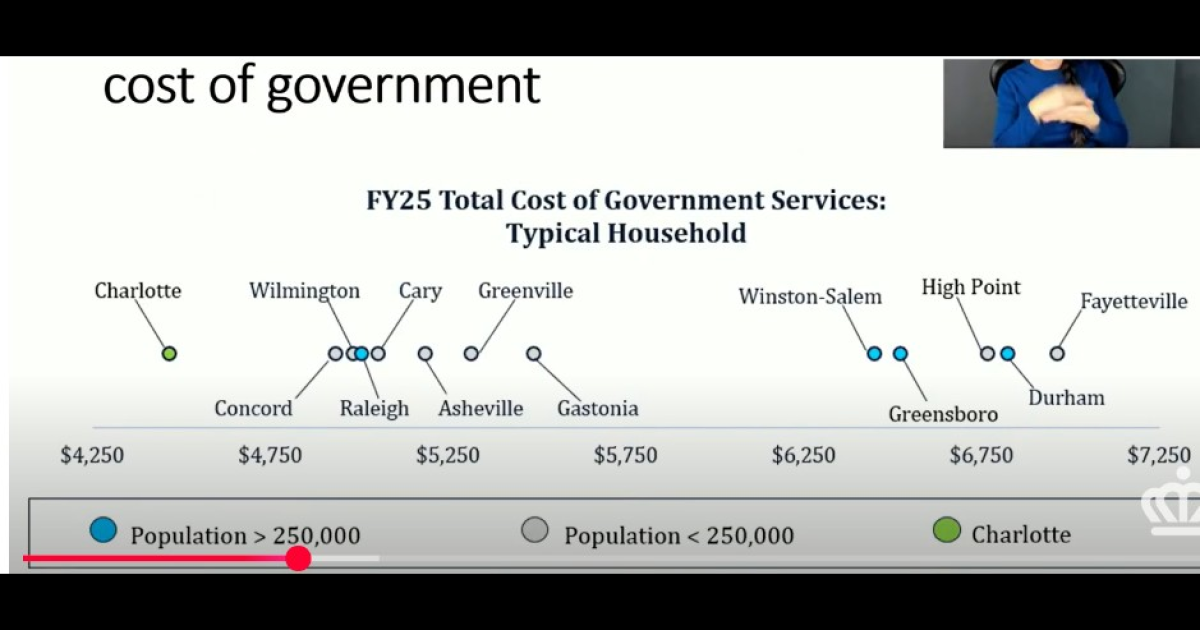
A recent budget presentation by Charlotte City Manager Marcus Jones sparked controversy with a chart comparing the tax and fee burdens of "typical households" across North Carolina cities. The chart suggested that Charlotte residents enjoyed a significantly lower burden than those in cities like Fayetteville and High Point. However, a closer examination reveals a flawed methodology that misrepresents the reality of Charlotte’s tax landscape.
The city’s analysis accurately accounted for fees like water, garbage, and sales taxes, which are generally consistent across cities. The discrepancy arose in the calculation of property taxes. Charlotte officials used the median taxable home value in Charlotte ($358,600) as the basis for calculating property taxes in all the cities included in the comparison. This approach failed to account for the significant variations in housing costs across North Carolina.
The median home value in Charlotte is substantially higher than in many other cities. For instance, the median taxable home value in High Point is $160,700, less than half of Charlotte’s. By using Charlotte’s median home value, the analysis inflated the estimated property tax burden for residents in these more affordable housing markets. A more accurate comparison would have used each city’s respective median home value.
Using the correct median home values reveals a different picture. The typical household in High Point, for example, pays significantly less in property taxes than Charlotte’s analysis suggested. The total tax and fee burden for the typical High Point household is likely lower than, or at least comparable to, that of a Charlotte household, contrary to the city’s presentation. Similarly, the typical Fayetteville household, while facing a higher tax burden than Charlotte residents, experiences a much smaller difference than initially portrayed.
While a corrected analysis would not place Charlotte at the top of the list for highest tax burden, it would demonstrate a more nuanced reality. North Carolina cities generally cluster together in terms of the tax and fee burden on typical households. Charlotte’s relatively large commercial and office sector, contributing significantly to the tax base, helps offset the burden on homeowners. Furthermore, population growth can positively impact budgets, providing more revenue to cover expenses. However, factors like the rise of online retail and remote work can negatively affect commercial property values, potentially shifting a greater tax burden onto residential properties.
Despite the misleading presentation, Charlotte residents face rising local taxes. Mecklenburg County is likely to implement a property tax increase this year, and Charlotte seeks a 1-cent increase in the countywide sales tax to fund a transportation plan, potentially resulting in the highest sales tax rate in the state.
This incident is not the first time the city of Charlotte has been accused of presenting skewed or incomplete information. Previous controversies include a presentation on transit priorities that omitted public support for road spending, inaccurate ridership projections for the Silver Line light rail project, and a distorted summary of public feedback on using tax dollars for Bank of America Stadium renovations. These instances raise concerns about transparency and the accuracy of information shared with the public. Accurate and comprehensive data is essential for informed public discourse and effective policy decisions. The city’s track record of presenting misleading information underscores the need for greater scrutiny and accountability in its communication with residents. Moving forward, it is crucial for the city of Charlotte to prioritize transparency and ensure the accuracy of the information it presents to the public. This will foster trust and enable informed decision-making on critical issues facing the community. Open and honest communication between the city government and its constituents is essential for building a strong and thriving city.