


Canadian Inquiry Finds No Definitive Link Between Foreign State and Sikh Activist’s Killing, Contradicting Trudeau’s Allegations
OTTAWA – A comprehensive report released by a Canadian public inquiry commission has cast doubt on Prime Minister Justin Trudeau’s assertions of Indian government involvement in the assassination of Sikh activist Hardeep Singh Nijjar. The 123-page document, titled "Public Inquiry Into Foreign Interference in Federal Electoral Processes and Democratic Institutions," concludes that there is no definitive evidence linking a foreign state to Nijjar’s death, despite Trudeau’s public accusations in 2023. The findings directly contradict the Prime Minister’s claims, which significantly strained diplomatic relations between Canada and India.
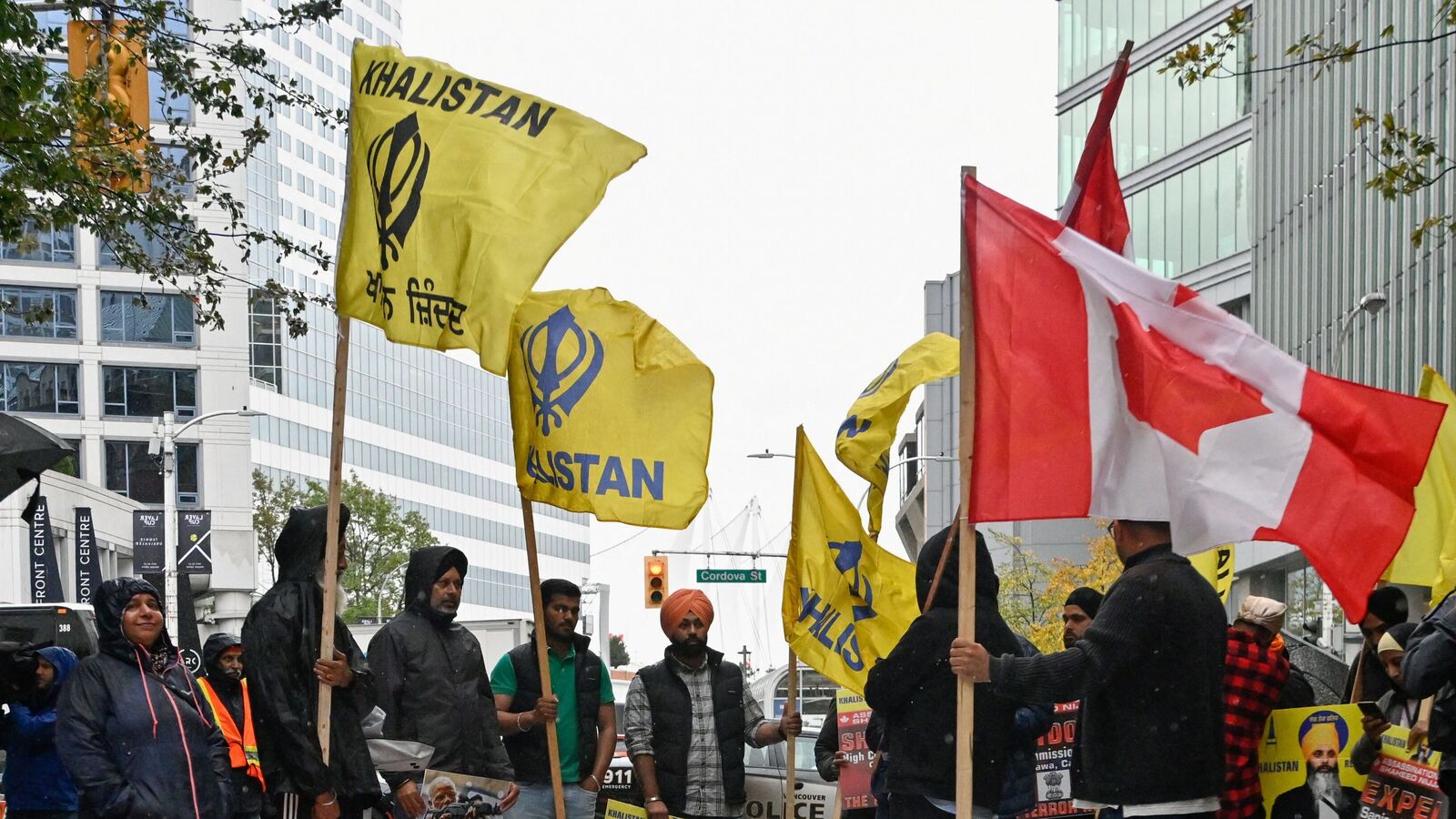
Nijjar, a prominent figure within the Sikh community, was shot dead in a parking lot near a gurdwara in Surrey, British Columbia, in June 2023. The killing sparked immediate outrage and speculation, culminating in Trudeau’s dramatic announcement implicating the Indian government. This allegation was swiftly and vehemently denied by India, which accused Canada of harboring supporters of the Khalistan movement, a separatist group seeking an independent Sikh state.
The commission, headed by Commissioner Marie-Josee Hogue, meticulously examined the evidence surrounding Nijjar’s murder and the subsequent political fallout. The report highlights the use of "disinformation as a retaliatory tactic to punish decisions that run contrary to a state’s interests," suggesting that the allegations against India may have been part of a broader campaign. While the report acknowledges the possibility of a disinformation campaign following Trudeau’s accusations, it emphasizes the lack of concrete proof directly linking any foreign government to the assassination.
The report’s findings represent a significant blow to Trudeau’s position and raise questions about the basis for his initial accusations. The Canadian government expelled six Indian diplomats following the allegations, a move that further exacerbated tensions. The commission’s conclusion that no definitive link could be established between a foreign state and Nijjar’s death underscores the complexities of the case and the potential for misinformation to influence international relations.
The assassination of Hardeep Singh Nijjar remains a sensitive and unresolved issue. While Canadian authorities have arrested four individuals in connection with the killing, the legal proceedings have been slow, with multiple adjournments hindering progress. The case continues to be closely watched by both the Sikh diaspora and the governments of Canada and India. The commission’s findings add a new layer of complexity to an already fraught situation, emphasizing the need for a thorough and impartial investigation to uncover the truth behind Nijjar’s death.
The release of the report is likely to have significant repercussions for the relationship between Canada and India. While the findings refute Trudeau’s direct accusations, the report acknowledges the potential for foreign interference in Canadian affairs. Moving forward, both countries will need to navigate the delicate diplomatic landscape and work towards rebuilding trust. The case of Hardeep Singh Nijjar serves as a stark reminder of the challenges posed by international intrigue, disinformation campaigns, and the complexities of transnational criminal investigations. The pursuit of justice and the preservation of diplomatic relations require a commitment to evidence-based conclusions and a cautious approach to unsubstantiated allegations.