


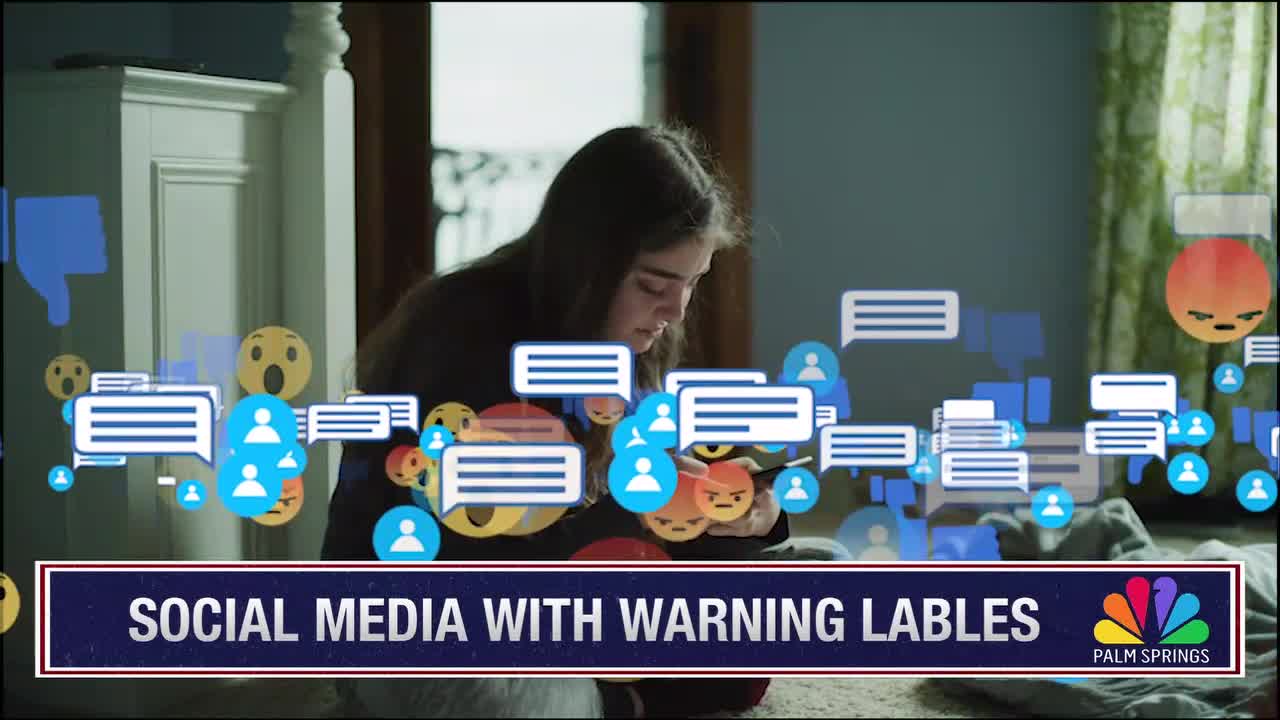
California Considers Warning Labels for Social Media: A Battle Over Mental Health, Misinformation, and Free Speech
Sacramento, CA – California is poised to become the first state to mandate warning labels on social media platforms, igniting a fierce debate over the government’s role in regulating online content and its impact on mental health and the spread of misinformation. Assembly Bill 793, currently under consideration by state legislators, proposes requiring prominent warning labels on platforms like Facebook, Instagram, TikTok, and YouTube if their algorithms are deemed to promote content that contributes to eating disorders, substance abuse, suicide, or misinformation. Proponents argue that these platforms, particularly their algorithmically driven content feeds, amplify harmful content and contribute to a growing mental health crisis, especially among young people. They point to research linking excessive social media use to increased rates of anxiety, depression, and body image issues, along with the proliferation of false information regarding everything from vaccines to election outcomes.
The proposed legislation aims to increase transparency and empower users by making them more aware of the potential risks associated with social media consumption. The warning labels would serve as a constant reminder of the possible negative consequences and encourage users to be more critical of the information they encounter online. Supporters believe this approach will help individuals make more informed decisions about their social media usage and mitigate the harms associated with excessive engagement. Additionally, the bill seeks to hold social media companies accountable for the content amplified by their algorithms. Backers of the legislation maintain that these platforms have a responsibility to protect their users, especially vulnerable populations like adolescents, from the harmful effects of their products.
However, the bill faces significant opposition from various quarters, including tech companies, free speech advocates, and legal scholars. Critics argue that the legislation is overly broad, vaguely worded, and infringes on First Amendment rights. They express concerns that the definition of “harmful content” is subjective and could lead to censorship of protected speech. Furthermore, they argue that the bill places an undue burden on social media platforms, forcing them to become arbiters of truth and potentially stifle free expression. Opponents contend that existing laws already address many of the concerns raised by the bill and that further regulation could stifle innovation and competition in the tech industry.
Tech companies argue that they are already taking steps to address harmful content through content moderation policies and investments in mental health resources. They maintain that the proposed warning labels are a blunt instrument that will not effectively address the complex issues surrounding social media use. Moreover, they contend that the bill ignores the positive aspects of social media, such as its ability to connect people, facilitate social movements, and promote access to information. Industry representatives suggest that focusing on media literacy education and parental controls would be more effective approaches to mitigating the risks associated with social media.
Legal experts have also raised concerns about the constitutionality of the bill. They argue that compelling social media platforms to display warning labels could be viewed as compelled speech, which is generally prohibited under the First Amendment. They also contend that the bill’s vague language could lead to legal challenges and difficulties in enforcement. Furthermore, the question of how to determine which algorithms promote “harmful content” raises complex technical and legal issues that the bill does not adequately address. Critics suggest that the legislation requires more precise definitions and criteria to avoid violating constitutional protections and ensure fairness in its application.
The debate over Assembly Bill 793 highlights the ongoing struggle to balance the benefits of social media with its potential harms. The outcome of this legislation will have significant implications for the future of online content regulation and the relationship between government, tech companies, and individuals. As policymakers grapple with these complex issues, they must carefully consider the potential consequences of their actions to ensure that any regulations are effective, constitutional, and respectful of both individual rights and public safety. The ongoing discussion in California will undoubtedly serve as a bellwether for similar debates across the country and globally as societies increasingly grapple with the challenges posed by the pervasive influence of social media.