








Paragraph 1: The Announcement of Budget Cuts and Initial Reactions
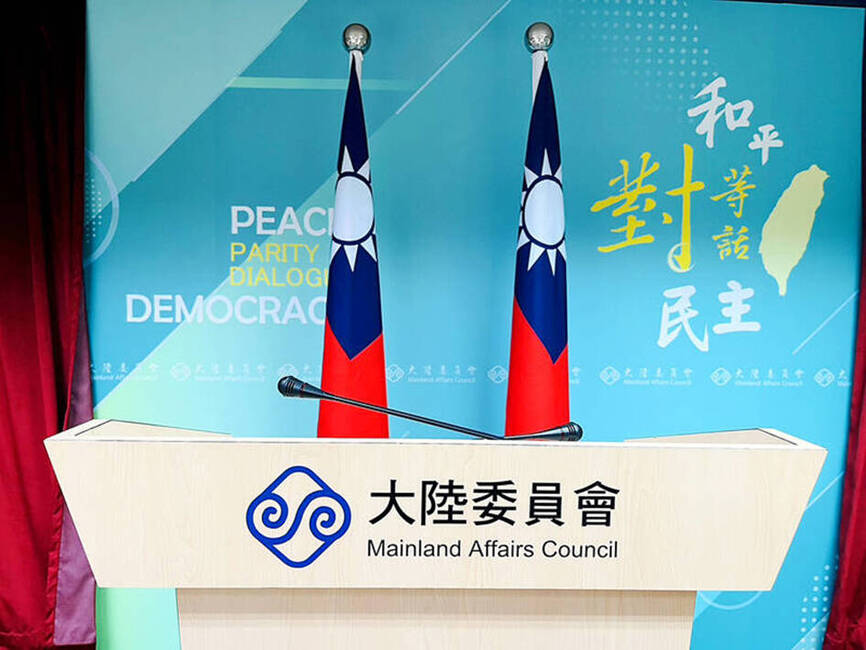
In a significant development that has sparked concern among academics and lawmakers, the Taiwanese legislature has passed the central government’s annual budget for the current fiscal year, which includes drastic reductions to the media and communication budgets of government agencies. The most severe cut was applied to the Mainland Affairs Council (MAC), whose media budget was slashed from NT$12.95 million to a mere NT$1.5 million, representing an approximately 88% reduction. This overarching decision, which involved a 50% cut to the media budgets of all government agencies, was framed by legislators as a measure to scrutinize government spending and review the effectiveness of public communication campaigns. However, the depth and scale of these cuts, particularly those targeting the MAC, have been met with immediate criticism from researchers and policy experts who argue that such drastic measures will fundamentally weaken the government’s capacity to function in an era of intense geopolitical competition. The cuts are not merely a fiscal adjustment, but are perceived as a strategic vulnerability that could compromise national security by hindering the state’s ability to communicate vital information to its citizens.
Paragraph 2: Expert Analysis on the Impact of the Cuts
Hung Pu-chao, the deputy executive director of Tunghai University’s Center for Mainland China and Regional Development Research, was among the first to raise the alarm about the consequences of these budgetary decisions. He emphasized that the MAC’s primary responsibility is to analyze China’s policies toward Taiwan, including its “united front” tactics and cross-strait risks, and to effectively communicate these findings to the Taiwanese public. By decimating the council’s media budget, the government’s ability to disseminate its analyses and warnings will be severely hampered. This creates an information vacuum that Beijing, with its sophisticated cognitive warfare apparatus, is well-positioned to fill. Hung argued that the government requires substantial resources not only to gather intelligence and conduct research but also to verify information and engage in proactive public communication. Without these resources, the government’s ability to counter the influence of Chinese narratives and disinformation campaigns is critically diminished, leaving the Taiwanese public more susceptible to manipulation and undermining the island’s overall resilience against foreign interference.
Paragraph 3: The Strategic Function of the MAC’s Communication
The strategic importance of the MAC’s communication efforts extends beyond general public awareness. Hung elaborated that the council needs to adeptly communicate with diverse groups that face specific risks in their interactions with China. This includes travelers going to China for tourism, students pursuing education, businesspeople engaging in trade, and individuals participating in cross-strait exchanges. Each of these groups encounters unique scenarios and potential dangers that require targeted and clear guidance. The budget cuts would significantly limit the MAC’s reach and restrict the channels available for such specialized communication, making it considerably more difficult for the council to provide timely and relevant information to those who need it most. For instance, informing travelers about changes in Chinese laws, identifying potential espionage risks, or clarifying the legal status of Taiwanese people in China are all tasks that rely on a functional and well-funded communication infrastructure. The cuts, therefore, not only weaken general propaganda-fighting capabilities but also leave specific, high-risk demographics without the essential information they need to navigate an increasingly complex and potentially hostile environment.
Paragraph 4: The Legislative Rationale and Counterarguments
While Hung acknowledged the legislature’s constitutional right to scrutinize government spending and demand accountability for how public funds are utilized, he argued that the current cuts are disproportionate and excessive. He suggested that a more appropriate legislative approach would involve asking agencies to explain their strategies and improve their methods, rather than implementing a blanket reduction that borders on crippling. Cutting the MAC’s budget to just 12% of its original allocation is, in his view, a clear overreach that goes beyond fiscal prudence and enters the realm of undermining state function. He warned that the ultimate cost of this decision will be borne by the Taiwanese people through wider information gaps and greater security risks. This sentiment was echoed by Democratic Progressive Party Legislator Chang Hung-lu, who pointed out the practical consequences of these cuts. Chang noted that the reduced budget would impair the government’s ability to inform citizens about China’s actions toward Taiwan, the potential risks of traveling there, and any changes to relevant Chinese laws. This lack of information not only puts citizens at risk while abroad but also presents Beijing with openings to reinforce its claims of jurisdiction over Taiwan.
Paragraph 5: The Broader Context of Cognitive Warfare and Cross-Strait Relations
The controversy over the MAC’s media budget must be understood within the broader context of ongoing cross-strait tensions and Beijing’s stated ambitions. China has consistently employed a combination of coercive diplomacy, military intimidation, and non-military measures to exert influence on Taiwan. Among these, cognitive warfare and disinformation campaigns are central tools used by Beijing to shape public opinion, sow discord, and weaken Taiwan’s collective will to defend itself. These operations often leverage social media platforms and international exchanges to propagate narratives that normalize China’s actions, undermine trust in the Taiwanese government, and promote a sense of inevitability regarding unification. In this light, the MAC’s role as a communicator is not just about relaying policy updates, but about actively protecting the island’s democratic society from hostile foreign influence. The drastic budget cut undermines the state’s cyber-defense, leaving the information space more open and vulnerable to adversarial manipulation at a time when Taiwan is already facing an unprecedented barrage of disinformation.
Paragraph 6: Conclusion and Future Risks
In conclusion, the legislative decision to sharply reduce the media budgets of government agencies, and particularly the Mainland Affairs Council, represents a self-inflicted wound that compromises Taiwan’s national security. While the legislature has a duty to oversee spending, the manner in which these cuts were executed appears to disregard the functional necessities of government agencies operating in a state of heightened geopolitical danger. The result is a significantly weakened capacity for the government to communicate with its citizens, counter disinformation, and provide essential guidance to those engaging with China. This creates an environment where Chinese narratives can gain unchecked influence, and where Taiwanese citizens are more vulnerable to misinformation and legal jeopardy. As one researcher noted, this is precisely the outcome that China would welcome, as it aligns with Beijing’s goal of eroding Taiwan’s agency and advancing its own strategic objectives. The true cost of these savings will likely be measured in greater long-term risk, eroded public trust, and a diminished ability to safeguard Taiwan’s sovereignty and the well-being of its people in the face of relentless external pressure.


