


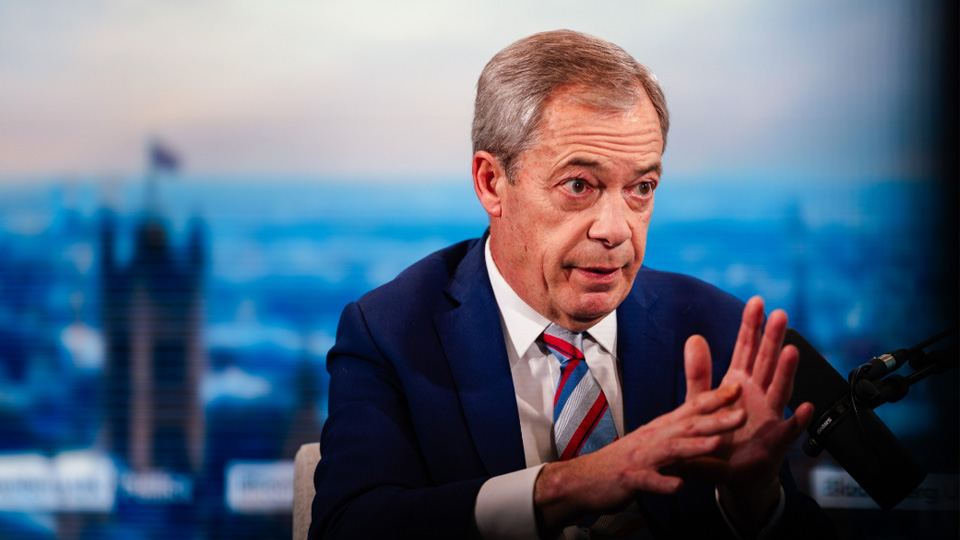
Farage on Musk, X, Free Speech, and Misinformation: A Deep Dive into the Evolving Digital Landscape
The digital town square is undergoing a dramatic transformation, with Elon Musk’s acquisition of Twitter, now rebranded as X, serving as a pivotal moment in the ongoing debate surrounding free speech and misinformation online. Nigel Farage, a prominent figure known for his outspoken views and significant social media presence, recently sat down with Bloomberg to discuss the evolving landscape, offering a unique perspective on the challenges and opportunities presented by this shift. Farage’s commentary touched upon several key aspects of the current digital discourse, including the power dynamics of platform ownership, the effectiveness of content moderation strategies, and the potential implications for political discourse and democratic processes. His insights provide a valuable lens through which to examine the complex interplay of technology, free expression, and the struggle to combat the spread of false and misleading information.
One of the central themes of Farage’s discussion revolved around the concept of free speech and its practical application in the digital realm. He argued that Musk’s approach to content moderation, characterized by a more permissive stance than previous Twitter administrations, represents a positive step towards fostering open dialogue and challenging established narratives. Farage expressed concern that traditional media outlets often operate with inherent biases, limiting the diversity of perspectives available to the public. He posited that platforms like X, with their emphasis on user-generated content and less restrictive moderation policies, could provide a crucial counterbalance, empowering individuals to share their views and engage in robust debate without fear of censorship. However, he also acknowledged the potential downsides of this approach, recognizing the need for mechanisms to address harmful content and prevent the spread of misinformation.
The tension between free speech and the need to combat misinformation formed a significant part of Farage’s analysis. He highlighted the difficulty in defining and identifying misinformation, particularly in the context of rapidly evolving news cycles and complex societal issues. He emphasized the importance of distinguishing between genuine misinformation, intended to deceive or manipulate, and legitimate differences of opinion or interpretation. Farage cautioned against overly aggressive content moderation, arguing that it could stifle legitimate debate and create an environment where dissenting voices are silenced. He suggested that a more effective approach would involve promoting media literacy and critical thinking skills among users, empowering them to evaluate information critically and discern truth from falsehood.
Farage also addressed the increasing influence of algorithms and artificial intelligence in shaping online discourse. He expressed concern that these technologies, while potentially beneficial in some respects, could also be used to manipulate public opinion and reinforce existing biases. He pointed to the potential for algorithms to prioritize certain types of content over others, creating echo chambers where users are primarily exposed to information that confirms their pre-existing beliefs. He argued for greater transparency in how these algorithms operate and suggested that users should have more control over the content they see. Farage advocated for a more decentralized approach to platform governance, empowering users to play a greater role in shaping community standards and content moderation policies.
The conversation also touched upon the evolving relationship between traditional media and social media platforms. Farage argued that traditional media outlets often struggle to adapt to the rapidly changing digital landscape and are increasingly losing relevance in the face of platforms like X. He suggested that the traditional media’s focus on established narratives and reliance on expert opinions can create a disconnect with the public, who are increasingly turning to social media for alternative perspectives and unfiltered information. However, he also acknowledged the importance of journalistic integrity and fact-checking, emphasizing the need for credible sources of information in an era of rampant misinformation.
Looking ahead, Farage emphasized the ongoing evolution of the digital landscape and the need for continued dialogue and debate surrounding the complex issues of free speech, misinformation, and platform governance. He expressed optimism that platforms like X could play a positive role in fostering more open and democratic discourse, empowering individuals to share their views and challenge established narratives. However, he also cautioned against the potential downsides of unchecked free speech and emphasized the need for responsible platform governance to ensure that these spaces remain safe and productive for all users. He concluded by calling for greater collaboration between platform owners, users, and policymakers to develop effective strategies for addressing the challenges and opportunities presented by the evolving digital world.