


AI-Generated Wildfire Images Spark Concern Over Misinformation in British Columbia
The British Columbia Wildfire Service (BCWS) has issued a warning about the proliferation of artificially generated images depicting wildfires, raising concerns about the spread of misinformation and the potential to incite unnecessary panic during the province’s active fire season. The warning comes in response to several AI-generated images circulating on social media platforms, purportedly showcasing ongoing fire events. These images, while visually striking, often misrepresent the actual scale, behavior, and terrain of the fires, potentially misleading the public and hindering effective emergency response.
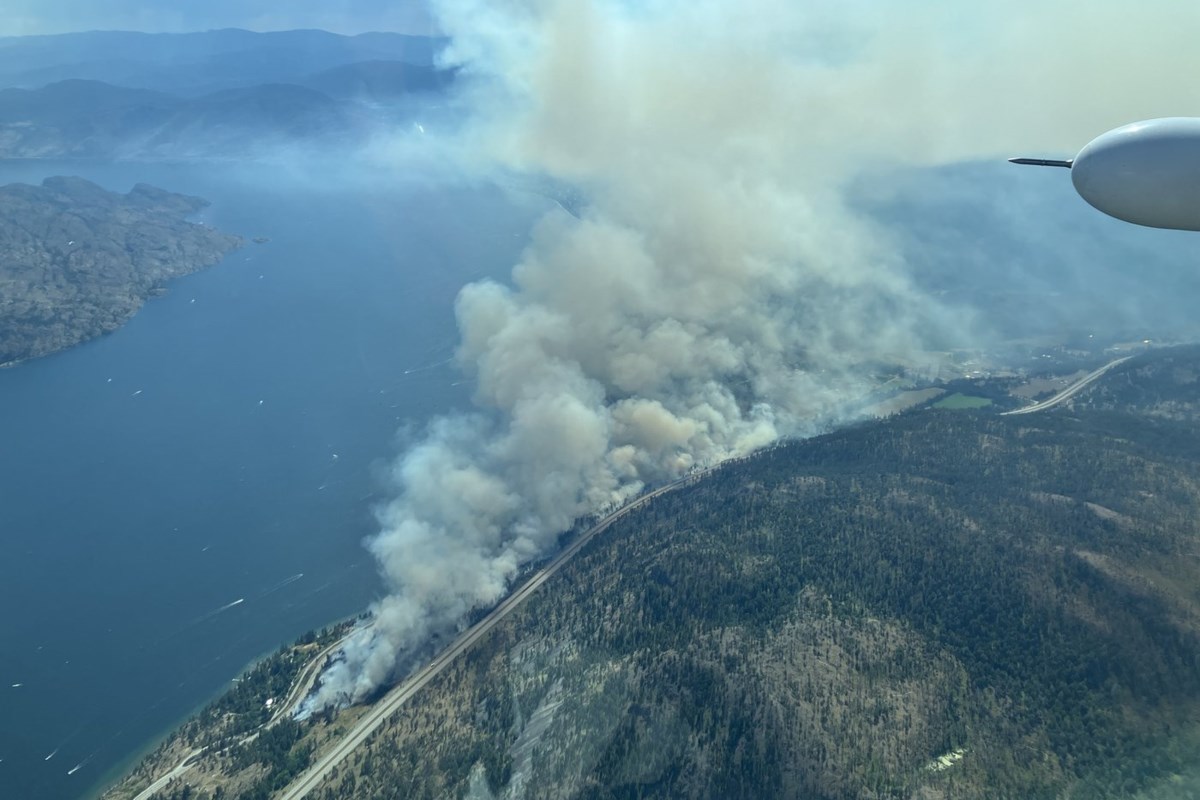
The BCWS highlighted two specific instances of AI-generated wildfire imagery. One image, initially shared by a self-proclaimed “digital creator” on Facebook, depicted a dramatic aerial firefighting scene supposedly related to the Drought Hill fire near Peachland. While the creator later added a disclaimer clarifying the image’s artificial origin and illustrative purpose, the initial post lacked such context, potentially leading viewers to believe it was a genuine representation of the fire. The BCWS emphasized the rapid spread of information on social media, particularly during emergencies like wildfires, and stressed the detrimental impact of misinformation, whether intentional or unintentional. The incident underscores the challenge of verifying information in the digital age and the potential for AI-generated content to blur the lines between reality and fabrication.
The rise of readily accessible AI image generation tools has created a new frontier in the battle against misinformation. While these tools offer exciting creative possibilities, they also present a significant risk of misuse. The realistic nature of these generated images makes it difficult for the average social media user to distinguish them from genuine photographs, creating an environment ripe for the spread of false narratives. This poses a serious challenge for emergency services and government agencies tasked with disseminating accurate information during critical events.
The BCWS’s warning serves as a crucial reminder of the importance of media literacy in the age of AI. Citizens are urged to critically evaluate the source and context of images encountered online, particularly during emergency situations. Official channels, such as government websites and verified social media accounts of emergency services, remain the most reliable sources of information during wildfires and other emergencies. The BCWS encourages the public to seek information from these trusted sources and avoid sharing unverified images or information from unconfirmed social media accounts.
The potential consequences of misinformation during a wildfire event are far-reaching. False reports on the size, location, or intensity of a fire can lead to unnecessary evacuations, misallocation of resources, and heightened anxiety among residents. In addition, the spread of fabricated images can undermine public trust in official sources of information, further complicating the already challenging task of managing a wildfire crisis. This incident highlights the urgent need for proactive strategies to combat misinformation and ensure that the public has access to accurate and timely information during emergencies.
Beyond individual vigilance, the issue of AI-generated misinformation demands broader societal action. Tech companies developing these AI tools have a responsibility to implement safeguards against their misuse and to promote responsible usage. This includes educating users about the potential pitfalls of AI-generated content and providing tools to help identify synthetic media. Governments and regulatory bodies also have a role to play in developing frameworks to address the spread of misinformation and hold those responsible for creating and distributing false content accountable. As AI technology continues to evolve, the need for collective action to combat misinformation will only become more critical. The incident in British Columbia serves as a stark reminder of the potential dangers of unchecked AI-generated content and the importance of collaborative efforts to safeguard the integrity of information.
The Drought Hill fire, which sparked the circulation of the misleading AI-generated image, is now reported to be under control. The Regional District of Central Okanagan has lifted an evacuation alert for 118 properties in the Peachland area initially affected by the fire. The incident, while now contained, underscores the urgent need to address the growing challenge of misinformation in the context of natural disasters and the crucial role of responsible AI usage in fostering a more informed and resilient society. The BC Wildfire Service’s warning serves as a call to action for individuals, tech companies, and government agencies to work together to ensure that access to accurate and reliable information remains paramount, especially during times of crisis.