


Armenia Accuses Azerbaijan of Spreading Disinformation Regarding Border Incident
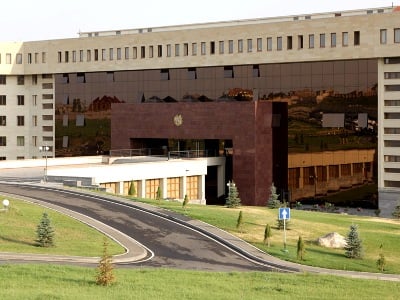
YEREVAN, Armenia – Tensions continue to simmer between Armenia and Azerbaijan as the Armenian Ministry of Defense (MoD) refutes claims made by its Azerbaijani counterpart regarding an alleged ceasefire violation. The Azerbaijani MoD asserted that Armenian armed forces opened fire on Azerbaijani positions in the southeastern sector of the border on Monday afternoon. Armenia vehemently denies these allegations, labeling them as disinformation and part of a pattern of escalating tensions initiated by Azerbaijan. This latest incident underscores the fragility of the ceasefire agreement and the urgent need for a mechanism to investigate such occurrences.
The Armenian MoD categorically rejected the Azerbaijani narrative, stating that no such incident occurred. This denial comes amidst a backdrop of increasing distrust between the two nations, with each side frequently accusing the other of instigating violence and spreading propaganda. The disputed border region has witnessed sporadic clashes and exchanges of fire over the past several months, further exacerbating the already tense situation. The absence of a reliable and mutually agreed-upon mechanism to verify these claims creates a breeding ground for misinformation and hinders efforts to de-escalate tensions.
Armenia has consistently advocated for the establishment of a joint investigative body to impartially assess ceasefire violations. The Armenian Prime Minister’s Office formally proposed this mechanism to Azerbaijan, seeking a collaborative approach to address border incidents and ensure accountability. However, Baku has yet to respond to this proposal, leaving the initiative stalled and the potential for misunderstandings and escalations unchecked. The lack of a response is seen by Armenia as a sign of Azerbaijan’s unwillingness to engage in constructive dialogue and its preference for maintaining a tense and volatile environment.
The international community has repeatedly called for restraint and dialogue between Armenia and Azerbaijan. International organizations, including the United Nations and the European Union, have urged both sides to respect the ceasefire agreement and engage in meaningful negotiations to resolve their differences peacefully. However, these calls have largely gone unheeded, and the situation remains precarious. The ongoing exchange of accusations and the absence of a verification mechanism highlight the challenges in achieving lasting peace and stability in the region.
The disputed Nagorno-Karabakh region, at the heart of the conflict, remains a significant point of contention. While a Russian-brokered ceasefire agreement in 2020 brought an end to large-scale fighting, sporadic clashes continue to occur. The unresolved status of Nagorno-Karabakh and the demarcation of the border fuel ongoing tensions and complicate efforts to achieve a comprehensive and lasting settlement. Both Armenia and Azerbaijan claim the region, and the unresolved status quo continues to pose a significant obstacle to achieving lasting peace.
The international community must exert greater pressure on both sides to engage constructively in dialogue and establish a joint mechanism to investigate ceasefire violations. Without a transparent and credible mechanism to verify claims and attribute responsibility, the risk of escalation remains high. A neutral and independent investigative body would not only help to identify the perpetrators of ceasefire violations but also contribute to building trust and promoting dialogue between the two parties. The establishment of such a mechanism is crucial to preventing future incidents and fostering a more stable and secure environment in the region. A lasting solution to the conflict requires a commitment from both sides to engage in good faith negotiations and address the underlying causes of the conflict, including the status of Nagorno-Karabakh and the demarcation of the border.