


Australian Election Integrity Under Threat: A Deluge of AI-Powered Disinformation Bots
The 2024 Australian election campaign witnessed an unprecedented wave of disinformation, raising serious concerns about the integrity of the democratic process. A study conducted by Cyabra, a disinformation detection company, revealed that nearly 20% of Twitter (now X) accounts engaged in election-related discussions were fake, employing AI-generated profile pictures and emotionally manipulative language to sway public opinion. These bots, some boasting over 500 posts and reaching hundreds of thousands of users, strategically targeted both leading parties, albeit with distinct tactics. The sheer scale and reach of these disinformation campaigns paint a stark picture of the growing threat to electoral integrity in the digital age.
Cyabra’s "Disinformation Down Under" report highlights a concerted effort to discredit Prime Minister Anthony Albanese and undermine his political standing. Fake accounts amplified negative narratives, portraying the Labor government as incompetent, economically damaging, and excessively progressive. These accounts employed derogatory nicknames and hashtags like "Labor fail" and "Labor lies," leveraging ridicule and emotionally charged language to maximize visibility and engagement. The widespread dissemination of satirical memes and provocative content further amplified the reach of these malicious messages, effectively polluting the online discourse surrounding the election.
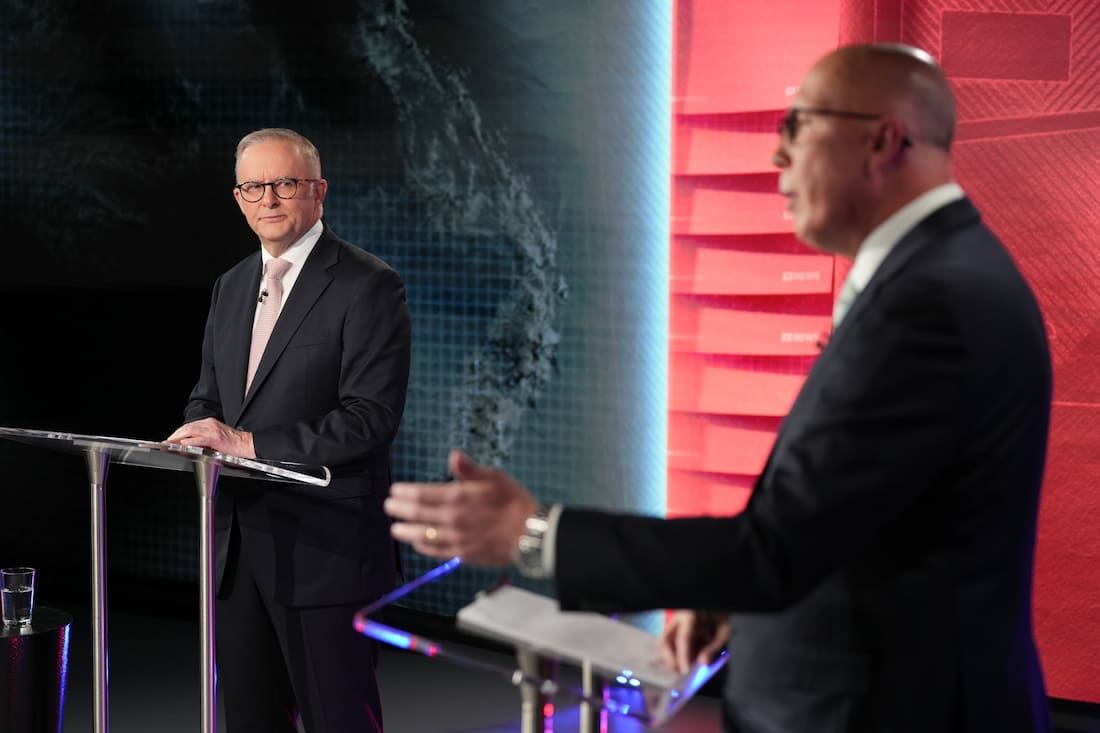
While the Labor Party bore the brunt of these attacks, the opposition leader, Peter Dutton, and the coalition were not spared. However, the strategy employed against them differed significantly. Fake pro-Labor accounts flooded the platform with hashtags like "Dutton must go" and "LNP corruption party," painting Mr. Dutton as out of touch and the coalition as broadly incompetent and corrupt. This tactic aimed to create a false impression of widespread support for the incumbent government and reinforce partisan sentiment. The sophistication of these campaigns suggests a deliberate attempt to manipulate the online narrative and influence voter perceptions.
The effectiveness of these bot campaigns is alarming. In several instances, fake accounts outperformed genuine users in terms of engagement and reach, effectively dominating the conversation and drowning out authentic voices. This dominance allowed the bots to control the narrative, shaping public perception and potentially influencing voting decisions. While identifying the perpetrators behind these sophisticated disinformation campaigns remains a challenge, their impact is undeniable and poses a serious threat to the integrity of the democratic process.
The Australian Electoral Commission (AEC) has voiced concerns about the potential impact of disinformation campaigns on electoral integrity. Acting Electoral Commissioner Jeff Pope highlighted the growing threat of misinformation and disinformation in the digital sphere. While the observed incidents of AI-driven manipulation during the 2024 global elections remained relatively low, the potential for such interference to escalate is a significant concern. The AEC is actively monitoring the situation and working to mitigate the risks posed by these evolving technologies.
Expert voices have echoed the AEC’s concerns. Michael Wesley, Deputy Vice-Chancellor of Melbourne University, warned of the escalating dangers of political polarization, the rise of extremist candidates and parties, and the erosion of trust in established institutions like the media, government, and universities. Citing the violent Capitol riots in the United States as a stark example of the potential consequences of unchecked disinformation and political polarization, Wesley emphasized the urgent need to address this growing threat to democratic societies. The proliferation of AI-powered disinformation campaigns demands immediate attention and robust countermeasures to protect the integrity of elections and safeguard democratic processes.