


Close Menu
DISADISA
  • Home
  • News
  • Social Media
  • Disinformation
  • Fake Information
  • Social Media Impact
Trending Now

The influence of social media addiction on recreation anxiety in individuals.

August 26, 2026

Analyzing the Proliferation of Disinformation Following the Latest School Shooting.

August 26, 2026

German Embassy Issues Formal Warning to Nigerian Nationals Regarding Unauthorized Visa Agents and Misinformation.

August 26, 2026
Facebook X (Twitter) Instagram
Facebook X (Twitter) Instagram YouTube
DISADISA
Newsletter
  • Home
  • News
  • Social Media
  • Disinformation
  • Fake Information
  • Social Media Impact
DISADISA
Home»Disinformation»Austrian Authorities Uncover Alleged Russian Disinformation Campaign
Disinformation

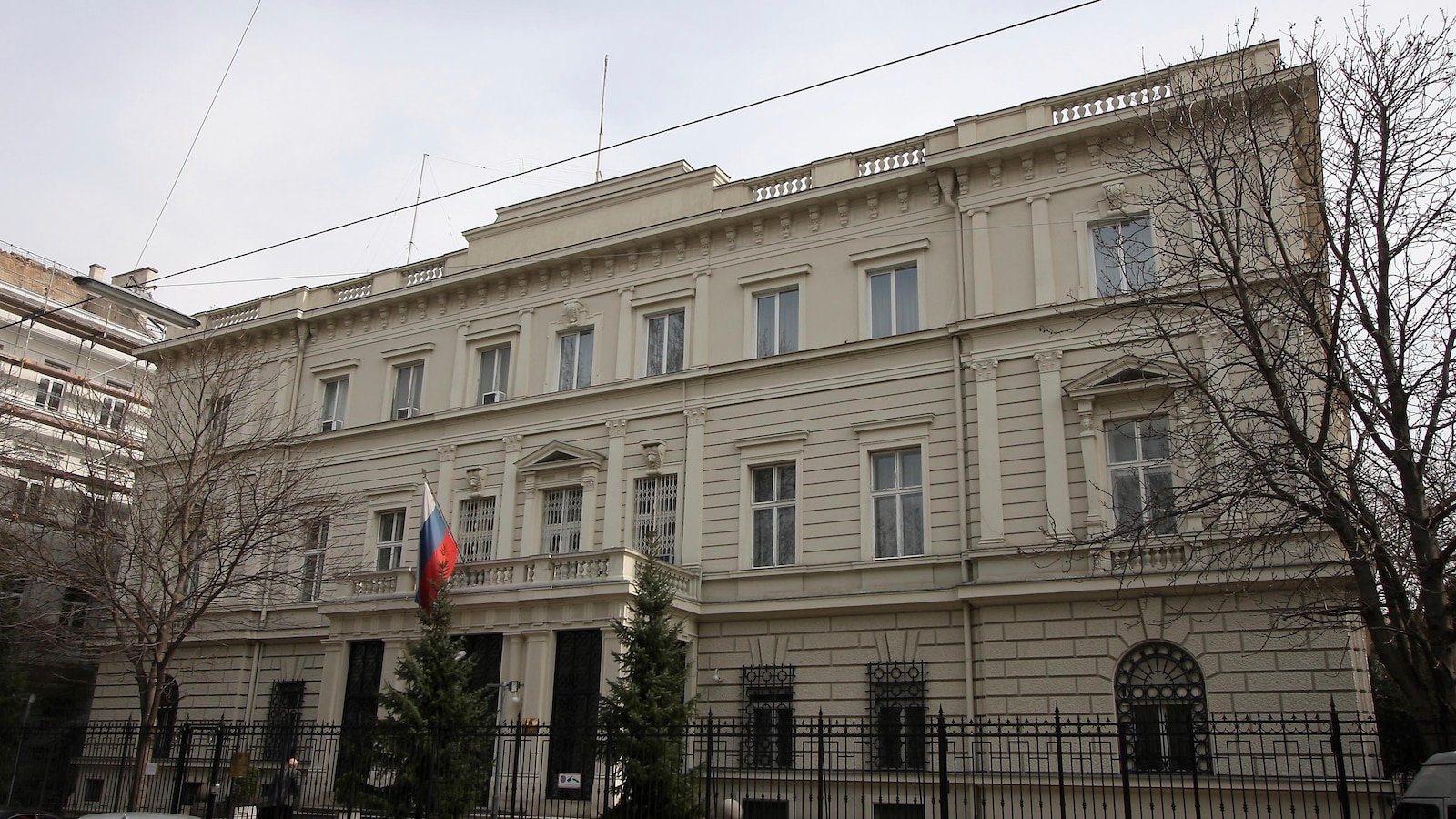
Austrian Authorities Uncover Alleged Russian Disinformation Campaign

Press RoomBy Press RoomMarch 27, 2025No Comments
Facebook Twitter Pinterest LinkedIn Tumblr Email

Vienna Uncovers Russian Disinformation Network: Bulgarian Woman Detained, Accused of Espionage

VIENNA – Austrian authorities announced a significant development on Monday, revealing the uncovering of a sophisticated Russian-directed disinformation campaign targeting German-speaking countries, particularly Austria. The operation, unearthed during an investigation following the December arrest of a Bulgarian woman accused of spying for Russia, aimed to sow discord and manipulate public opinion regarding the ongoing conflict in Ukraine. The discovery sheds light on the multifaceted nature of Russian influence operations and underscores the ongoing struggle against disinformation in the digital age.

The Austrian Interior Ministry detailed the elaborate scheme, which involved online activities as well as physical tactics. Following Russia’s full-scale invasion of Ukraine in February 2022, a cell operating under the direction of Russian intelligence was established. This cell orchestrated a large-scale disinformation campaign designed to spread misleading and inflammatory content. Their methods extended beyond the digital realm, incorporating the use of stickers and graffiti featuring far-right symbols and nationalist slogans, falsely attributed to pro-Ukrainian activists. This calculated tactic aimed to create confusion, fuel social unrest, and undermine public trust in Ukrainian supporters.

The detained Bulgarian woman, whose identity remains undisclosed, is believed to have played a pivotal role in the disinformation operation. Authorities suspect her of acting as a key liaison between the cell and Russian intelligence. According to the Interior Ministry, she has confessed to working for the cell, particularly during 2022. This admission strengthens the Austrian government’s assertion of a coordinated effort originating from Russia to manipulate public sentiment within Austria and other German-speaking nations. The investigation continues to delve into the extent of her involvement and the network’s deeper connections within the Russian intelligence apparatus.

This revelation comes on the heels of another major espionage scandal that rocked Austria just a year ago. In that case, a former Austrian intelligence officer was arrested and accused of providing cellphone data of high-ranking Austrian officials to Russian intelligence and aiding in the planning of a burglary at a prominent journalist’s apartment. This incident exposed the vulnerability of sensitive information and highlighted the audacity of Russian intelligence operations within Austria. The former officer’s alleged collaboration with Jan Marsalek, a fugitive Austrian wanted in connection with the Wirecard fraud scandal, further complicates the web of intrigue.

The connection between the former Austrian officer and Jan Marsalek adds another layer of complexity to the ongoing investigation. Marsalek, the former chief operating officer of the collapsed German payment company Wirecard, is currently a fugitive facing fraud charges. Chat messages obtained by British authorities reportedly link Marsalek directly to Russia’s FSB intelligence agency. This connection suggests a potential convergence of financial malfeasance and espionage, raising questions about the extent of Russian influence within Austria’s business and political spheres.

The recent discoveries highlight the multifaceted nature of Russian influence operations and their reach into various sectors, including intelligence gathering, disinformation dissemination, and potentially even financial manipulation. The arrest of the Bulgarian woman and the ongoing investigation into the disinformation campaign underscore the persistent threat posed by foreign interference in democratic processes. Austria’s efforts to uncover and expose these activities send a strong message about its commitment to safeguarding its national security and the integrity of its democratic institutions. The continued investigation will likely reveal further details about the extent of the network’s operations, its connections to Russian intelligence, and the potential damage it sought to inflict on Austria and its allies. The implications of these revelations extend beyond Austria’s borders, serving as a reminder to other nations about the importance of vigilance and proactive measures to counter foreign interference.

Share. Facebook Twitter Pinterest LinkedIn WhatsApp Reddit Tumblr Email

Read More

Analyzing the Proliferation of Disinformation Following the Latest School Shooting.

August 26, 2026

ActionSA Lodges Formal Disinformation Complaint with IEC Against ANC’s Kgoši Maepa.

August 26, 2026

The Threat of Anti-Disinformation Legislation to the Public Square

August 26, 2026
Add A Comment
Leave A Reply Cancel Reply

Our Picks

Analyzing the Proliferation of Disinformation Following the Latest School Shooting.

August 26, 2026

German Embassy Issues Formal Warning to Nigerian Nationals Regarding Unauthorized Visa Agents and Misinformation.

August 26, 2026

Social Media Addiction: Consequences, Risks, and Legal Remedies

August 26, 2026

ActionSA Lodges Formal Disinformation Complaint with IEC Against ANC’s Kgoši Maepa.

August 26, 2026
Stay In Touch
  • Facebook
  • Twitter
  • Pinterest
  • Instagram
  • YouTube
  • Vimeo

Don't Miss

News

Health Experts Offer Evidence-Based Guidance for Navigating Online Nutrition Misinformation

By Press RoomAugust 26, 20260

In an era where dietary advice proliferates across social media platforms, blogs, and podcasts, distinguishing…

The Threat of Anti-Disinformation Legislation to the Public Square

August 26, 2026

NCIC and Faith Leaders Warn of Misinformation Threat Ahead of 2027 Elections

August 26, 2026

  1. Analyze the Request:

    • Original title: “How to spot ethnic disinformation on social media”
    • Task: Rewrite this to 1 title in English in a formal tone.
    • Constraints: Only 1 title, formal tone, must retain the core meaning (identifying/detecting ethnicity-based disinformation/falsehoods on social platforms).
  2. Evaluate the Original: The original is clear but uses “spot” (informal/colloquial for this context) and “ethnic” (slightly broad). “Disinformation” is a good formal term.

  3. Brainstorm Formal Alternatives:

    • “Identifying Ethnic Disinformation on Social Media Platforms” (good, formal, direct).
    • “Detecting Disinformation Targeting Ethnic Groups on Social Networks” (more specific, emphasizes targeting).
    • “A Guide to Identifying Ethnically-Focused Misinformation and Disinformation on Social Media” (too long).
    • “Recognizing Ethnic Disinformation in Social Media Environments” (wordy).
    • “Techniques for Uncovering Ethnic Disinformation on Digital Platforms” (practical).
    • Let’s synthesize. Formal titles usually prefer nouns like “Identifying”, “Detecting”, “Assessing”. The subject is specifically disinformation that is ethnic (based on ethnicity/race).
    • Option A: “Identifying Ethnic Disinformation on Social Media” (Best balance of formality, conciseness, and accuracy).
    • Option B: “Detecting Ethnic Misinformation and Disinformation on Digital Networks” (a bit longer).
    • Option C: “Strategies for Identifying Ethnic Disinformation in Social Media”.
  4. Select the Best Title: Option A is the most natural and formal direct translation. Let’s ensure it doesn’t sound like a casual tutorial. “Identifying” is academic/formal. “Ethnic disinformation” is precise. “Social Media” is standard.

    Let’s refine it slightly to be more impactful: “Detecting Ethnic Disinformation within Social Media Platforms” – a bit wordy. “Identifying Ethnic Disinformation on Social Media” – perfect.

  5. Final Check: Does it meet the criteria? 1 title (yes). English (yes). Formal tone (yes – “Identifying” is formal). Same meaning (yes). Let’s goIdentifying Ethnic Disinformation on Social Media

August 26, 2026
DISA
Facebook X (Twitter) Instagram Pinterest
  • Home
  • Privacy Policy
  • Terms of use
  • Contact
© 2026 DISA. All Rights Reserved.

Type above and press Enter to search. Press Esc to cancel.