


Azerbaijan Levels Fresh Accusations of Border Shooting Against Armenia, Yerevan Denies Claims
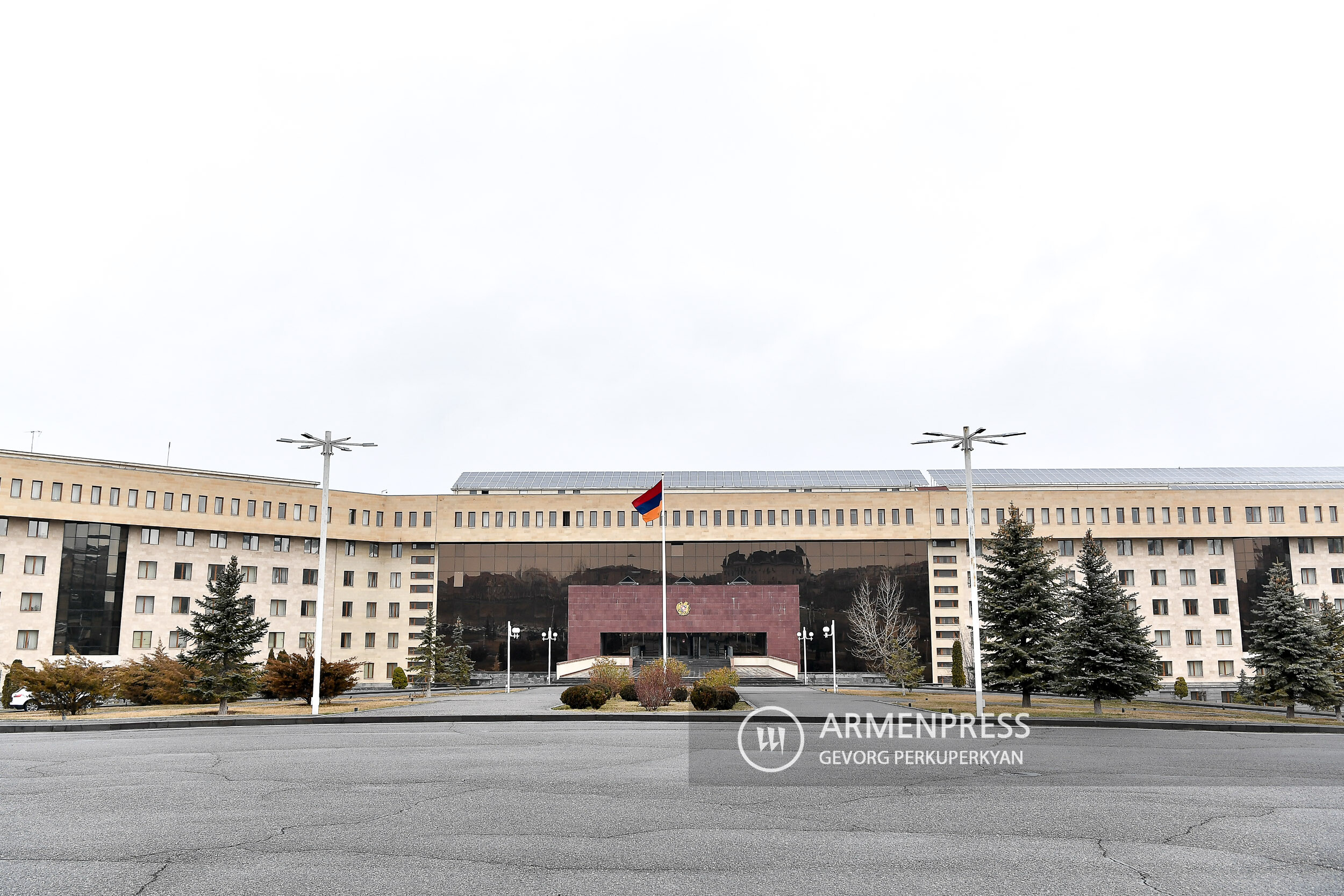
YEREVAN, Armenia – Tensions continue to simmer between Armenia and Azerbaijan following renewed accusations of border shooting. The Azerbaijani Ministry of Defence claimed that Armenian forces opened fire on Azerbaijani positions in the southeastern section of the border on April 2nd, between 1:55 p.m. and 2:05 p.m. However, the Armenian Ministry of Defence swiftly refuted these claims, categorically denying any involvement in the alleged incident and labeling the Azerbaijani statement as a fabrication. This latest exchange of accusations further exacerbates the already fragile peace in the region and underscores the deep mistrust between the two nations.
Armenia has consistently called for mechanisms to investigate such claims and ensure greater transparency. The Armenian Prime Minister’s Office had previously proposed the establishment of a joint Armenia-Azerbaijan fact-finding mission to investigate ceasefire violations and related reports, a proposal which Azerbaijan has yet to formally address. This lack of engagement from Azerbaijan casts further doubt on their commitment to de-escalation and finding peaceful resolutions to border disputes. Armenia has reiterated its readiness to investigate the alleged incident if Azerbaijan provides concrete evidence to support their claims.
The disputed border region, particularly areas surrounding Nagorno-Karabakh, remains a flashpoint for potential conflict. The 2020 war, which resulted in significant territorial changes and humanitarian consequences, highlighted the volatility of the situation. While a ceasefire agreement was brokered, sporadic clashes and accusations continue to undermine efforts towards achieving a lasting peace. The international community has repeatedly called upon both sides to exercise restraint and engage in constructive dialogue to address the root causes of the conflict.
The ongoing tensions between Armenia and Azerbaijan represent a complex web of historical grievances, territorial disputes, and political maneuvering. The unresolved status of Nagorno-Karabakh, a region with an Armenian ethnic majority that declared independence from Azerbaijan in the early 1990s, remains central to the conflict. While both sides have expressed a desire for peaceful resolution, the path towards achieving this remains fraught with challenges, including mutual distrust and conflicting narratives. International mediation efforts have yielded limited results, underscoring the need for a renewed and concerted diplomatic push to bring lasting peace to the region.
The lack of independent monitoring mechanisms along the border complicates efforts to verify claims of ceasefire violations. Without neutral observers or agreed-upon procedures for investigating incidents, accusations and counter-accusations often devolve into a war of words, further fueling tensions. The establishment of a joint fact-finding mission, as proposed by Armenia, could serve as a crucial step towards building confidence and promoting transparency. However, Azerbaijan’s reluctance to engage with this initiative suggests a lack of willingness to embrace impartial scrutiny of its actions.
The international community, particularly regional actors and global powers, has a critical role to play in mediating the conflict and preventing further escalation. Consistent diplomatic pressure on both Armenia and Azerbaijan to engage in good-faith negotiations and adhere to international law is essential. Support for confidence-building measures, including the establishment of independent monitoring mechanisms and demilitarization zones, could significantly contribute to reducing tensions and creating an environment conducive to a lasting peace settlement. The international community must also address the underlying humanitarian concerns, ensuring the safe return of displaced populations and providing support for post-conflict reconstruction efforts. Only through sustained diplomatic efforts and a commitment to peaceful resolution can the cycle of violence and mistrust be broken, paving the way for a more stable and prosperous future for the region.