









Istanbul Court Arrests Another Journalist Under Turkey’s Disinformation Law
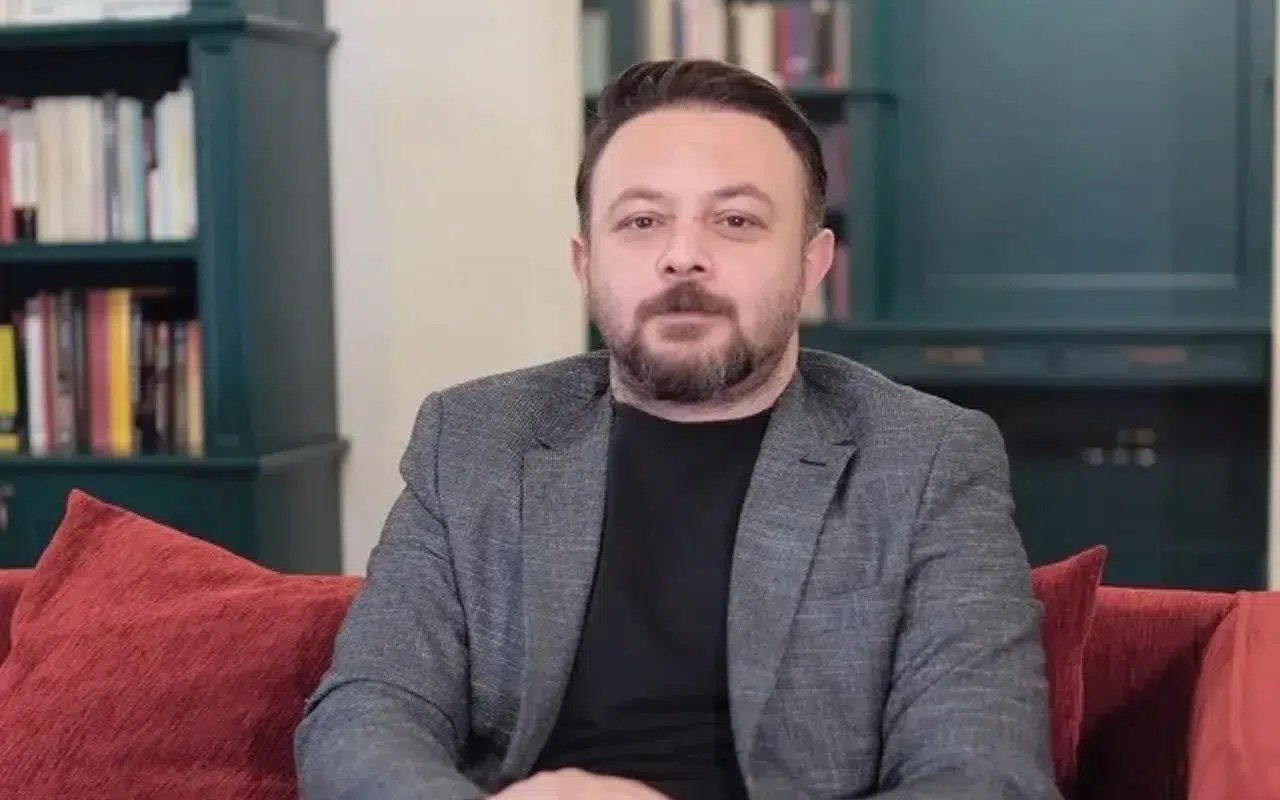
An Istanbul court has ordered the pretrial detention of Fatih Ergin, news coordinator for the nationalist daily Nefes, on suspicion of “publicly spreading disinformation,” just days after YouTube journalist Ali Tarakçı was jailed under the same controversial legal provision. Ergin was taken into custody in Istanbul on September 27 and arrested the following day, according to the Committee to Protect Journalists (CPJ), which reported the case on Tuesday. The arrest stems from a social media post about the death of Turgay Tamer, a doctor who had recently been briefly detained in a reopened investigation into the 2011 death in custody of Kaşif Kozinoğlu, a former Turkish intelligence operative. Ergin initially identified Tamer as a forensic expert but later corrected the post, saying Tamer had been a doctor at a prison campus. Despite the correction, authorities moved forward with his arrest under Article 217/A of the Turkish Penal Code, a provision that has drawn international condemnation for its chilling effect on press freedom. The case has intensified concerns among press freedom advocates that Turkish authorities are increasingly weaponizing the so-called disinformation law to silence journalists.
Ergin’s arrest came just two days after Ali Tarakçı, a journalist with an active presence on the social media platform X, was jailed pending trial under the same legal provision. Tarakçı had posted on X on September 23 that “a very important minister” would resign that Friday, without naming anyone. No such resignation took place, and Tarakçı’s entire X account was subsequently blocked in Turkey. His detention, like Ergin’s, was ordered by an Istanbul court, and both cases are now being investigated under Article 217/A of the Turkish Penal Code, commonly known as the “disinformation law.” Adopted in 2022, the provision imposes prison sentences of one to three years for publicly disseminating false information concerning security, public order, or public health, with the stated aim of preventing fear, panic, or concern. Critics, however, argue that the law’s vague wording allows authorities to target journalists for their reporting and commentary, and that it contradicts international standards on freedom of expression.
The legal background of Article 217/A is central to understanding the gravity of these arrests. The law was introduced as part of a broader package of legislation that the Turkish government said was necessary to combat misinformation and protect the public from harmful content online. When it came into force in 2022, officials insisted that it would not be used against journalists or to curb legitimate reporting. Yet press freedom organizations have documented a steady pattern of its use against media workers, often in connection with social media posts that touch on politically sensitive topics. The CPJ has reported that more than a dozen journalists have been detained or arrested under the law since the beginning of 2026, and that the frequency of such actions has increased markedly in recent months. In a statement, CPJ Turkey representative Özgür Öğret said: “When the disinformation law came into force in 2022, Turkish authorities promised it would not target journalists, but today we see it being used with alarming regularity to silence journalists and prevent them from doing their jobs.”
The cases of Ergin and Tarakçı are not isolated incidents but part of a broader crackdown on independent media in Turkey. The CPJ and 22 other press freedom and human rights groups called in April for Article 217/A to be repealed, saying its vague language is incompatible with international press freedom standards. According to these groups, at least 83 journalists have faced charges under the provision a total of 114 times since it entered into force. Several high-profile cases this year have highlighted the law’s impact. BirGün reporter İsmail Arı was arrested in March and spent 75 days in custody before being acquitted and released. Journalists Oya Lale Arslan and İrem Delice were among those arrested in September, the same month as Tarakçı and Ergin. These cases have drawn widespread international criticism, with press freedom advocates accusing the Turkish government of using the judicial system to punish reporting and suppress dissent. The arrests have also raised questions about the independence of the judiciary, as courts continue to apply the vaguely worded provision despite repeated calls for reform.
The details of Ergin’s case illustrate how easily the disinformation law can be applied to everyday journalistic activity. His post concerned Turgay Tamer, a doctor who had been briefly detained as part of a reopened investigation into the death of Kaşif Kozinoğlu. Kozinoğlu, a former intelligence operative, died in custody in 2011, and his death has been the subject of renewed scrutiny in recent months. Tamer, who was not named as a suspect, was released after questioning. Ergin’s initial post described Tamer as a forensic expert, but he quickly corrected the information to say that Tamer had been a doctor at a prison campus. Despite this prompt correction, Turkish authorities alleged that the post constituted disinformation and proceeded with his arrest. The case has become a rallying point for journalists who argue that the law is being used to criminalize errors rather than to protect the public from misinformation. In a broader sense, the arrest sends a chilling message to media organizations across Turkey: even a corrected social media post can lead to pretrial detention.
The lack of response from Turkey’s Justice Ministry to CPJ’s requests for comment has further fueled concerns about the government’s commitment to press freedom. The ministry has not publicly explained why Ergin and Tarakçı were detained or why the arrests were ordered so close together. Meanwhile, both men remain in custody pending trial, and their cases are likely to be watched closely by international human rights organizations. The continued use of Article 217/A has also strained Turkey’s relations with its Western allies, who have repeatedly called on the Turkish government to release journalists and to reform its media laws. For now, the arrests of Ergin and Tarakçı stand as stark examples of the perils facing journalists in Turkey, where the promise of a free press has given way to a climate of fear and self-censorship. As the CPJ and other groups continue to document abuses, the international community faces a critical test: whether to speak out against these actions or to allow the disinformation law to become another instrument of authoritarian control.


