


The Disinformation Dilemma: Navigating Regulation, Freedom of Expression, and Citizen Empowerment in the Andean Community
The digital age has ushered in an era of unprecedented information access, but it has also brought with it the pervasive challenge of disinformation. Defined as intentionally false, manipulated, or misleading content that can cause harm to peace, human rights, and sustainable development, disinformation poses a significant threat to democratic processes and public trust. This article delves into the complexities of disinformation, exploring its consequences, regulatory challenges, and the role of citizen empowerment in mitigating its impact, focusing specifically on the Andean Community nations of Bolivia, Colombia, Ecuador, and Peru.
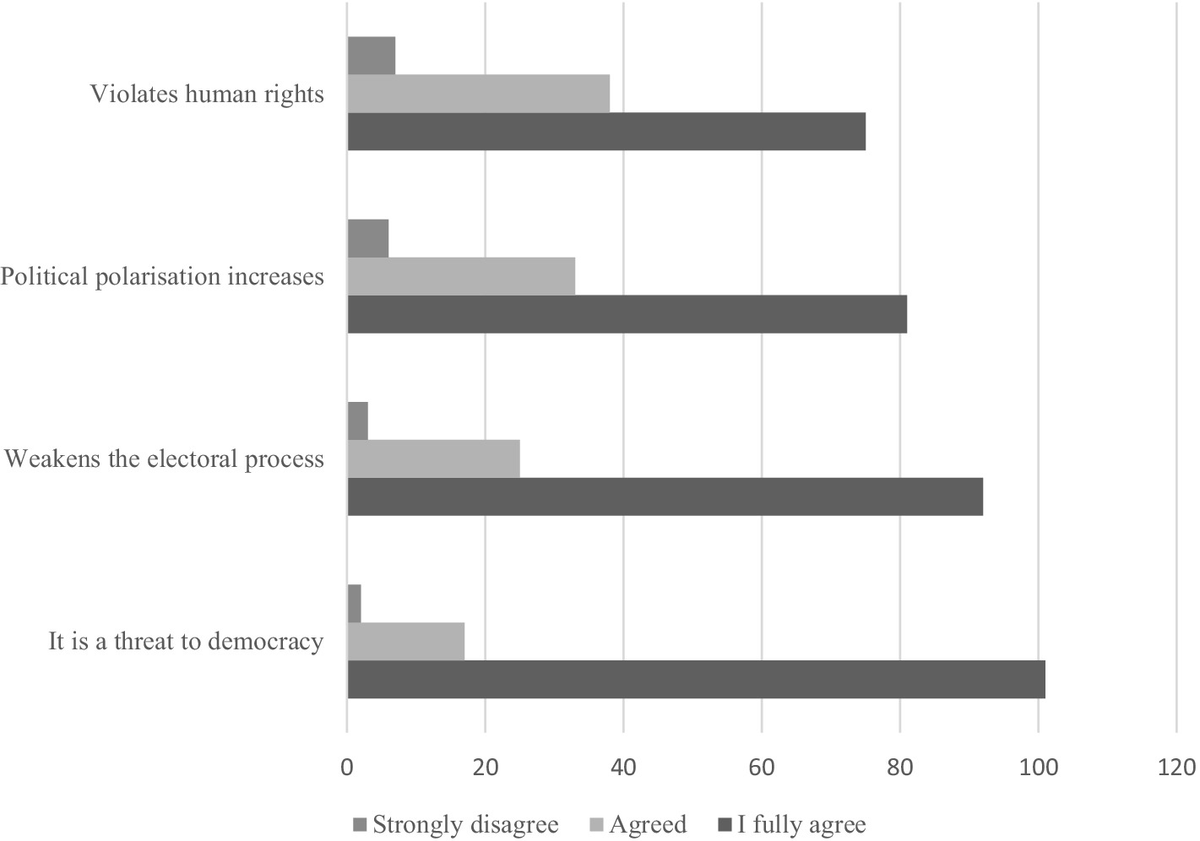
Disinformation erodes the foundations of democracy by undermining public trust in institutions, distorting facts, and manipulating public opinion. It fuels polarization and hinders informed decision-making, impacting electoral processes and governance. The proliferation of disinformation is facilitated by the opaque nature of technological infrastructures and legal loopholes. While traditional media still enjoy a degree of public trust, social media platforms have become the primary source of news for many, raising concerns about exposure to unverified information. The ease with which anyone can publish and share content online contributes to the rapid spread of disinformation, often outpacing the dissemination of factual information.
The challenge lies in finding effective strategies to combat disinformation without infringing upon fundamental rights, particularly freedom of expression. There is ongoing debate about the best approach to regulation. Hetero-regulation, involving state intervention and legislation, is favored by many as a means to hold platforms and individuals accountable for spreading false information. However, concerns arise about potential censorship and the misuse of laws to restrict legitimate expression. Self-regulation, where platforms establish their own content moderation guidelines, offers an alternative, but critics argue that it lacks external oversight and may prioritize platform interests over public good. Co-regulation, a hybrid approach involving collaboration between state actors, platforms, and civil society, is seen as a potential middle ground, offering a balance between regulatory oversight and platform autonomy.
A study conducted in the Andean Community reveals a strong preference for state regulation among citizens, with over half of respondents advocating for laws to combat misinformation. This preference stems from a belief that governments have a responsibility to protect citizens from the harmful effects of false information and ensure the integrity of democratic processes. While acknowledging the importance of media ethics and platform accountability, respondents emphasized the need for legal frameworks to establish standards and deter the spread of disinformation. Focus groups further revealed concerns about the effectiveness of existing policies and the need for stronger media literacy programs to empower citizens to identify and counter misinformation.
Experts in digital communication, journalism, and public opinion offer insights into the challenges and potential solutions. They emphasize the moral and legal obligations of platforms to address disinformation, recommending measures such as the use of artificial intelligence to detect false content, diligent content moderation, and integration of fact-checkers into platform decision-making processes. Transparency in algorithms and the use of alternative recommendation criteria are also crucial to avoid suppressing the veracity and diversity of sources. Experts advocate for a multi-faceted approach involving government regulation, platform accountability, media responsibility, and civil society engagement, tailored to specific national contexts and the evolving digital landscape. They underscore the importance of striking a balance between combating disinformation and safeguarding freedom of expression.
The Andean Community faces unique challenges in addressing disinformation, sharing a common cultural and historical context coupled with varying levels of digital literacy and access. While there is recognition of the importance of freedom of thought and expression within the Inter-American legal framework, translating those principles into effective policies remains a complex endeavor. The high internet penetration rate in the region, averaging 71%, underscores the potential for both the spread of misinformation and the empowerment of citizens through media and information literacy initiatives.
Moving forward, a cohesive and multi-pronged approach is crucial to combatting disinformation effectively in the Andean Community. State regulation, while necessary, must be carefully crafted to avoid censorship and uphold fundamental rights. Self-regulatory mechanisms can play a role, but require transparency and external oversight to ensure accountability. Co-regulation emerges as a promising pathway, fostering collaboration between stakeholders to establish common standards and address the evolving challenges of the digital environment. Critically, empowering citizens with media and information literacy skills is paramount. Education initiatives, media partnerships, and platform collaborations are essential to equip individuals with the critical thinking skills needed to navigate the complex information landscape and discern fact from fiction.
Ultimately, the fight against disinformation is not just a regulatory battle, but a societal one. It requires a collective effort to foster critical thinking, build media literacy, and promote responsible information sharing. By combining informed regulation with empowered citizenry, the Andean Community can strengthen its democratic foundations and safeguard the integrity of its information ecosystem. Further research is needed to assess the effectiveness of different regulatory models and media literacy programs, providing insights for ongoing policy development and civic engagement. The challenge of disinformation demands a constant dialogue and collaborative action to protect democratic values and ensure access to reliable information for all.