


North Carolina’s Tourism Resilience: A Year After Hurricane Helene
One year after Hurricane Helene ravaged western North Carolina, the state’s tourism industry is slowly recovering, grappling with a complex landscape shaped by the storm’s aftermath, a shifting economic climate, and the pervasive influence of social media. Visit NC, the state’s tourism office, has implemented a multi-faceted approach, investing nearly $14 million in targeted advertising campaigns and leveraging data-driven strategies to entice visitors back to the mountains and beyond. While overall tourism spending in 2025 remains slightly below 2024 levels, North Carolina appears to be weathering the storm better than other destinations, thanks to proactive measures and a focus on resilience.
The initial phase of Visit NC’s post-Helene campaign adopted a cautious tone, acknowledging the altered landscape and emphasizing the importance of supporting affected communities. The messaging carefully balanced the need to attract visitors with the sensitivity of not overpromising a typical mountain experience. Early advertising targeted both in-state residents and out-of-state visitors, appealing to North Carolinians’ affinity for the region and their desire to assist their neighbors in need. The campaign subtly tugged at heartstrings, reminding residents of their connection to the mountains while emphasizing the positive impact of their tourism dollars.
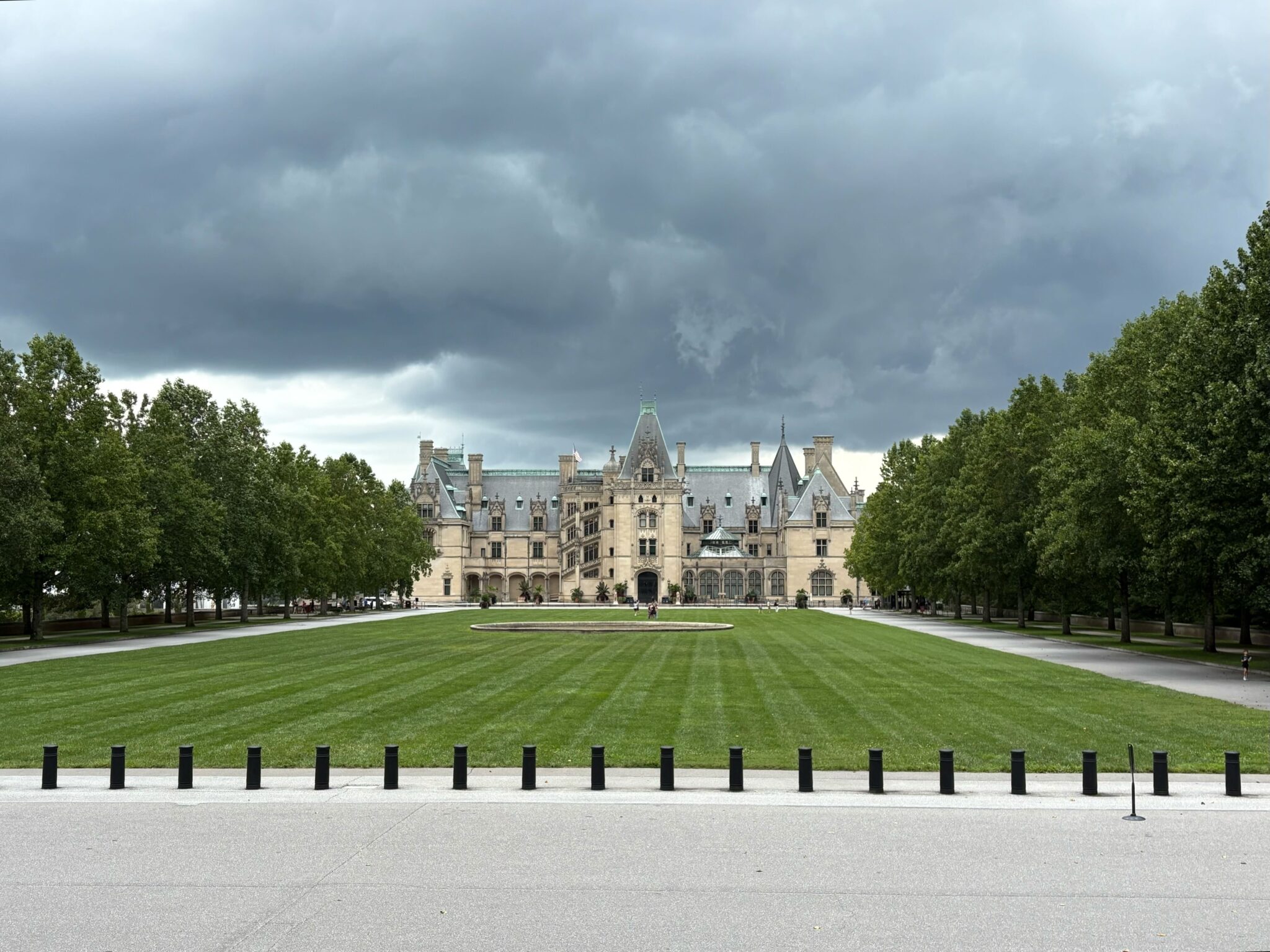
After approximately six months, Visit NC transitioned to a more optimistic “Rediscover the Unforgettable” campaign, showcasing the region’s enduring allure. Vivid imagery of Asheville’s vibrant breweries and restaurants, exhilarating outdoor activities in the Smokies, and picturesque wineries in the High Country aimed to inspire travelers and shift the focus from recovery to rediscovery. This strategic shift sought to rekindle the emotional connection visitors had with the mountains, encouraging them to experience the region anew. The success of this approach is being considered for statewide application, with the potential to extend the “For Real, Visit North Carolina” campaign to the Piedmont and coastal regions.
Funding for Visit NC’s western marketing initiatives has primarily come from legislative allocations through hurricane relief packages. This enabled the agency to reallocate resources originally intended for a broader “inspirational campaign” to specifically address the needs of the impacted mountain region. Remarkably, in 2024, 71 counties experienced increased visitor spending compared to the previous year, including counties adjacent to those directly affected by Helene. This surge was partly attributed to the influx of disaster relief workers and volunteers who remained in the area for extended periods, contributing to local economies.
Social media has emerged as both a challenge and an opportunity for North Carolina’s tourism industry. Recognizing the power of online platforms, Visit NC has engaged influencers and social media personalities to promote the mountains, particularly in anticipation of the popular “leaf season.” While formal partnerships with some creators have been established through the agency’s advertising partners, a wider network of informal collaborations aims to amplify the region’s appeal across various social channels. However, this strategy also necessitates navigating the complexities of an increasingly fragmented media landscape, where user-generated content and real-time updates can significantly impact public perception.
The influence of social media on tourism sentiment has been evident in the fluctuations observed following Helene. A dip in interest around the storm’s six-month anniversary was attributed, in part, to the resurfacing of older videos depicting the flooding and destruction. A similar decline is anticipated around the one-year mark, highlighting the ongoing challenge of managing online narratives. Despite these challenges, Visit NC has benefited from the vocal support of Governor Josh Stein, who has championed the recovery and revitalization of the mountains. His frequent visits to affected communities, interactions with local businesses, and national media appearances have provided invaluable endorsements for the region.
Governor Stein’s office has also embraced the power of social media, employing casual and engaging content to promote western North Carolina. From sharing photos taken during a personal vacation to interacting with online conversations related to the region, the governor has actively utilized social platforms to boost tourism. This personal touch, coupled with Visit NC’s strategic campaigns, demonstrates a unified effort to rebuild and reinvigorate the state’s tourism sector in the wake of adversity, adapting to the evolving digital landscape and leveraging the power of personal connection.