


The Rising Tide of Disinformation: Russia’s Expanding Influence in the Sahel
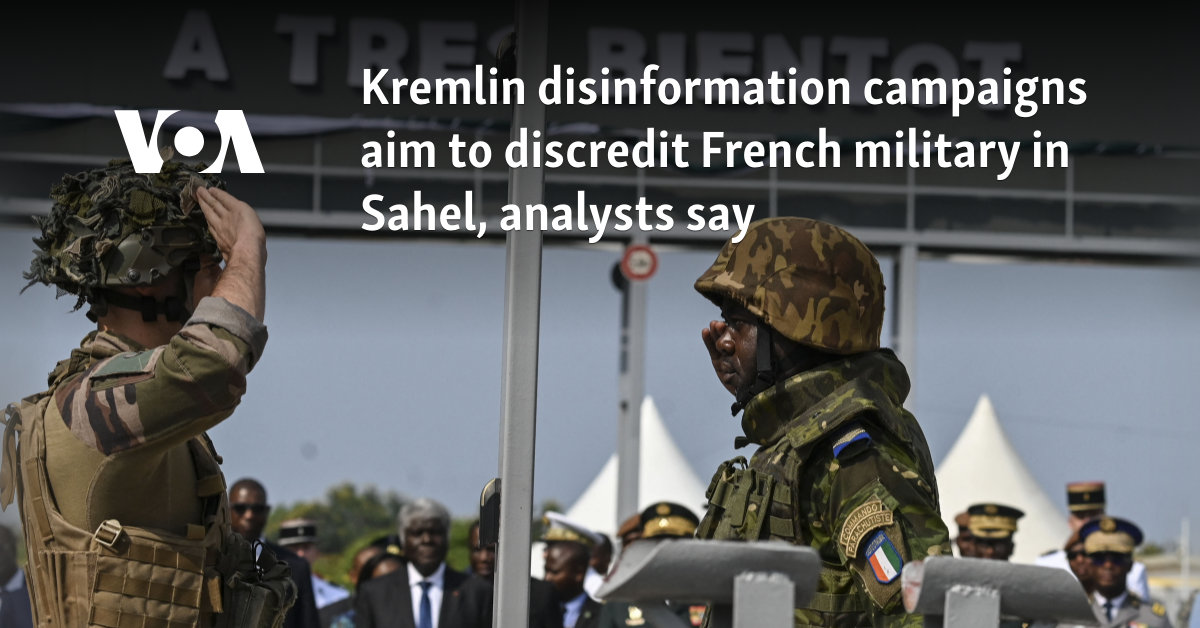
The Sahel region of Africa is undergoing a dramatic geopolitical shift, marked by the expulsion of French troops and the growing influence of Russia. Ivory Coast’s recent decision to take control of the last remaining French military base symbolizes the culmination of a trend that has seen France’s military presence diminish across the region. This withdrawal follows similar expulsions from Mali, Burkina Faso, Niger, and Chad, all countries now governed by military juntas. While some, like Chadian President Mahamat Idriss Deby, hail this as a "new dawn" of sovereignty, the reality on the ground paints a more complex picture. The departure of French forces has coincided with a stark increase in conflict-related fatalities, contradicting claims that their presence was ineffective. This surge in violence underscores the destabilizing consequences of the power vacuum left in the wake of France’s withdrawal, a vacuum that Russia appears eager to fill.
The narrative surrounding France’s exit is heavily influenced by a sophisticated disinformation campaign orchestrated by Russia. Leveraging historical grievances against colonial powers and tapping into anti-imperialist sentiment, Russia has successfully manipulated public opinion against France. This campaign, disseminated through social media, portrays France as a neo-colonial power and Russia as a liberator. Pro-Russian messages, often identical and disseminated by seemingly independent influencers, celebrate the French withdrawal as a victory against imperialism. This coordinated effort effectively controls the narrative, shaping public perception and undermining Western influence. The amplification of these messages by state-controlled media outlets further consolidates the pro-Russian narrative, creating echo chambers where dissenting voices are drowned out.
This disinformation campaign is not an isolated incident but part of a broader Russian strategy to expand its influence across Africa. The Africa Center for Strategic Studies has documented over 80 Russian disinformation campaigns targeting more than 20 African countries. These campaigns employ a multifaceted approach, utilizing paid African influencers, digital avatars, and manipulated media to spread anti-Western sentiment. Furthermore, "Russian Houses," cultural centers established across the region, serve as hubs for propaganda dissemination, training journalists to spread disinformation and further solidifying Russia’s narrative dominance. This coordinated and well-funded effort has proven highly effective in shaping public opinion and undermining Western influence.
The rise of military juntas in the Sahel has created fertile ground for Russian influence. Following the expulsion of French forces, these regimes have increasingly aligned with Russia, welcoming the deployment of Wagner mercenaries. These mercenaries, implicated in numerous human rights abuses, further destabilize the region while bolstering the military juntas’ grip on power. The Wagner Group’s presence not only provides military support but also serves as a tool for Russia to secure access to valuable resources and establish a strategic foothold in the region.
The tactics employed by Russia mirror those used in other parts of the world, demonstrating a consistent pattern of leveraging disinformation and exploiting existing tensions to advance its geopolitical agenda. Prominent pan-Africanist figures, often linked to Russian political operatives, play a key role in disseminating pro-Russian narratives and shaping public discourse. The manipulation of information surrounding key events, such as the 2023 Niger coup, further demonstrates Russia’s willingness to distort facts and spread false narratives to achieve its objectives.
The implications of Russia’s growing influence in the Sahel are far-reaching. The increase in violence and instability undermines regional security and poses a significant threat to civilian populations. The spread of disinformation erodes trust in democratic institutions and creates a climate of fear and suspicion. As Russia continues to expand its footprint in Africa, it is crucial for Western powers and international organizations to counter this disinformation campaign and support efforts to promote stability and democracy in the region. This includes investing in independent media, supporting fact-checking initiatives, and holding Russia accountable for its actions. Failure to address this growing threat will have profound consequences for the future of the Sahel and the broader African continent. The battle for hearts and minds in the Sahel is intensifying, and the stakes are higher than ever. The international community must act decisively to ensure that the narrative of progress and stability is not drowned out by the rising tide of disinformation.